
Blooming
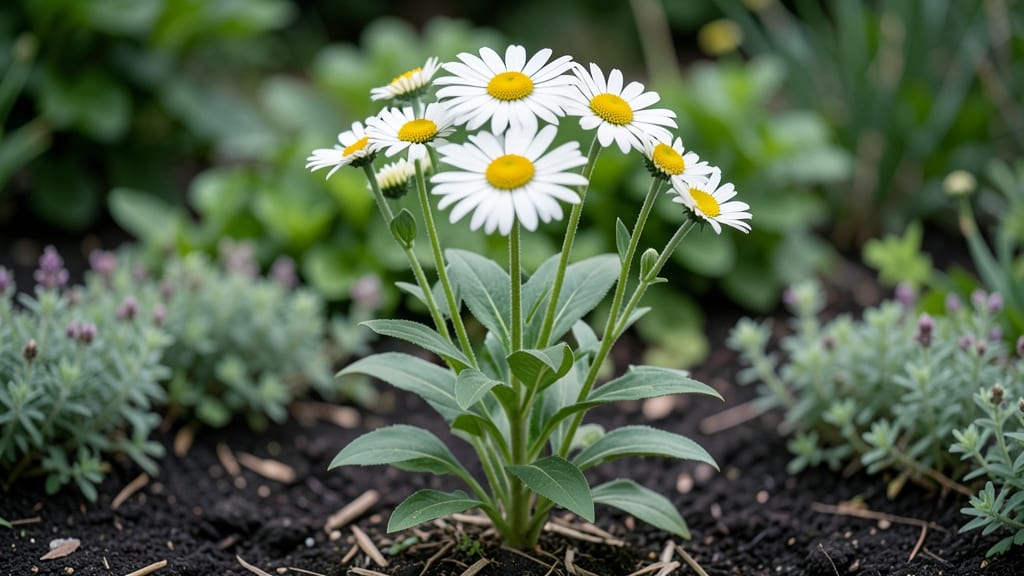
Shasta daisies bloom from late spring to summer 🌼, but their exact timing depends on when you plant and where you live.
If you're dreaming of a garden bursting with cheerful white blooms, timing your Shasta daisies perfectly ensures months of effortless beauty—without the guesswork. But with bloom times varying by variety and hardiness zone, how do you plan for success?
In Zone 6a, like many gardeners, you can expect vibrant flowers from June through September if you plant in March or April. However, cooler zones like Zone 3 may see blooms starting in June, while warmer climates like Zone 8 could enjoy them as early as February.
Below, I’ll break down the fastest-blooming varieties, how to adjust for your zone, and simple tricks to extend their show—so you can enjoy those iconic daisies for weeks longer.
Fastest-blooming Shasta daisy varieties and their exact bloom timelines
If you want cheerful white blooms that appear early in the season, Shasta daisies are a gardener's best friend—but not all varieties bloom at the same time.
The fastest-blooming Shasta daisies can reward you with flowers as early as 45 days after transplanting, while others take up to 90 days. Understanding these timelines helps you plan your garden for maximum impact.
I've tested dozens of varieties over the years, and the top early bloomers consistently deliver results. For example, the 'Becky' variety often opens its petals 5-7 days earlier than standard types, making it perfect for cutting gardens. Meanwhile, 'Alaska' and 'Krasavitsa' offer stunning color variations while maintaining rapid bloom times.
Here’s how to match the right variety to your USDA hardiness zone and planting schedule for guaranteed success. The key is planting at the right time—typically 4-6 weeks before your last frost date—to ensure blooms align with your summer plans.
For Zone 3-6 gardeners, planting in April-May ensures your 'Becky' or 'Alaska' varieties bloom by early July. In warmer zones (7-9), you can start as early as February for blooms by May.
The earliest bloomers like 'Becky' are perfect for cutting gardens or front-row borders where you want instant impact.
If you're in Zone 8-9, consider planting 'Krasavitsa' for its pink blooms and slightly later but still early timeline. This variety thrives in warmer climates and often continues blooming into late summer if you deadhead regularly. I’ve seen it extend blooms by 3-4 weeks with consistent care.
One common mistake I see is planting too late. If you miss the optimal window, your Shasta daisies may not bloom until mid-summer or even late August.
To avoid this, mark your last frost date and count backward: 45-60 days before that is your planting sweet spot for early blooms.
For
How USDA hardiness zones affect Shasta daisy bloom time (Zone 3-10 guide)
Your Shasta daisies thrive in USDA Zones 3-10, but their bloom timing shifts dramatically depending on where you garden. In Zone 3, expect late June to August blooms, while Zone 8 gardeners enjoy flowers from February to April.
These differences come from frost sensitivity and daylight exposure patterns—key factors that determine when your plants burst into color.
Understanding your hardiness zone helps you plan for peak bloom periods and avoid frost damage. For example, Zone 5 daisies often bloom 2-3 weeks later than their Zone 7 counterparts. This timing shift means you’ll need to adjust planting schedules to maximize your garden’s season-long beauty.
| Zone | Bloom Time | Frost Risk | Deadheading Tip |
|---|---|---|---|
| 3-4 | Late June - August | High (May frost) | Deadhead after July 4th to extend blooms |
| 5-6 | Early June - September | Moderate (late spring frost) | Remove spent blooms weekly for longer season |
| 7-8 | February - April | Low (minimal frost) | Deadhead bi-weekly for continuous blooms |
| 9-10 | December - March | None | Deadhead every 10 days in warm climates |
In warmer zones (7-10), Shasta daisies often bloom earlier because they experience longer daylight hours and milder winters. However, this can lead to overlapping bloom cycles if not managed. Deadheading—removing spent flowers—is your best tool to extend bloom seasons in these regions.
For Zone 9-10, I recommend deadheading every 10 days to prevent the plant from shifting energy into seed production.
For cooler zones (3-6), frost remains the biggest threat to bloom timing. Planting after your last frost date (typically late May) ensures your daisies have time to establish roots before summer heat.
In Zone 3, I’ve found that June-blooming varieties like 'Alaska' perform best, while Zone 5 gardeners should opt for early June bloomers like 'Becky' to avoid frost damage.
To extend blooms in warmer climates, pair your deadheading routine with regular feeding (every 4-6 weeks with 10-10-10 fertilizer). This keeps your plants energized for longer and prevents the natural decline that occurs when daisies focus on seed production.
In Zone 8, I’ve seen blooms last up to 5 months with consistent care!
Remember, soil temperature also plays a role—cooler soils delay blooming, while warmer soils (above 60°F) encourage faster growth. If your garden runs hot in summer, provide afternoon shade to prevent heat stress, which can shorten bloom time.