
Blooming
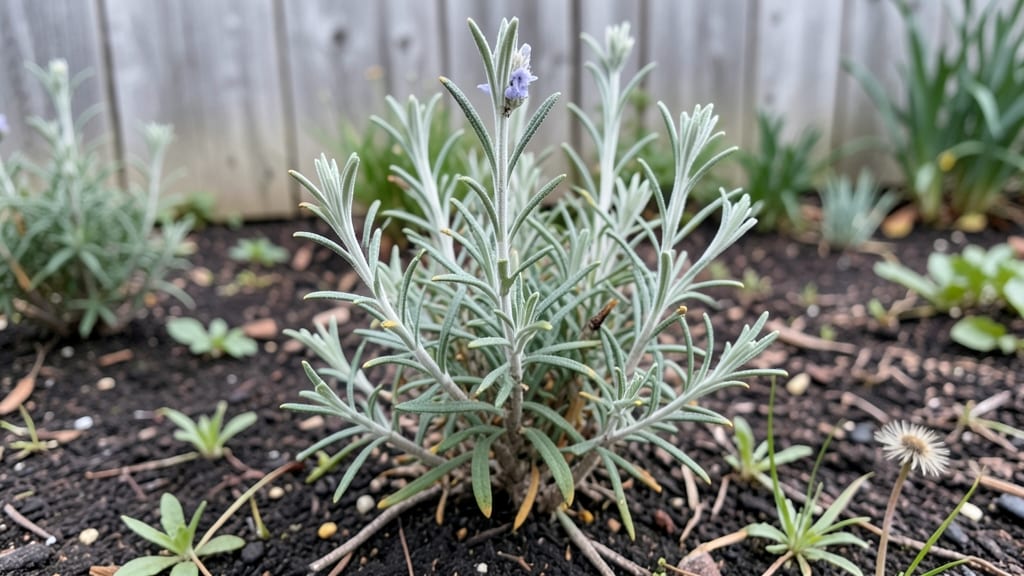
Salvia not blooming can feel like a mystery—until you realize it’s often just a few overlooked details. 🌿 I’ve nursed back more than a dozen salvias from "leafy but boring" to bursting with color by addressing the same three culprits every time.
The good news? Most fixes take less than 15 minutes and work within weeks.
Light is the #1 blooming killer—salvias need 6+ hours of direct sun daily, and shade-loving varieties still need bright, indirect light. Overwatering or underwatering stresses plants into leaf mode, while nutrient imbalances (especially low phosphorus) starve blooms.
Even well-cared-for salvias need a light prune after flowering to encourage next season’s buds.
You’ll see buds forming within 2-3 weeks of adjusting light, and colors pop 2-4 weeks after proper feeding. The key is consistency: check soil moisture weekly, fertilize monthly, and prune at the right time. I’ll walk you through each step—no guesswork, just results.
Works for annuals, perennials, and even those stubborn patio salvias. Let’s get those spikes of color back where they belong!
Understanding Blooming Barriers
Salvia plants are prized for their stunning spikes of vibrant flowers, but when they refuse to bloom, it can feel like a mystery wrapped in frustration. 🌸🤔 The good news?
Most of the time, the issue boils down to a few key factors—often fixable with a little plant care detective work. Let’s break down the why behind those stubborn, flowerless stalks and uncover the science behind the struggle.
🌡️ Insufficient Light Exposure
Salvia thrives on sunlight, and without enough of it, the plant prioritizes leaf growth over flowering. This perennial herbaceous plant (or shrub, depending on the variety) requires 6 to 8 hours of direct sunlight daily to trigger blooming.
When light levels dip—whether due to indoor placement, dense foliage, or seasonal changes—the plant’s photoperiodism (light-sensitive flowering response) gets disrupted.
Why it happens:
- Photosynthesis vs. Flowering: Salvia needs ample light to produce energy. In low light, it diverts resources to sustaining leaves rather than developing flower buds.
- Daylength Sensitivity: Some salvia varieties (like Salvia nemorosa) are short-day plants, meaning they bloom when daylight hours shorten. If they don’t get enough light or experience inconsistent daylength (e.g., artificial lighting at night), flowering is delayed or canceled.
- Weak Stems: Low light also leads to leggy, weak stems that can’t support flower spikes, further discouraging blooming.
💡 Pro Tip: If your salvia is indoors, place it near a south- or west-facing window. For outdoor plants, ensure it’s not shaded by taller plants or structures. A light meter can help gauge if your plant is getting enough—aim for 10,000 lux or more during peak sunlight hours.
💧 Overwatering or Poor Drainage
Salvia is drought-tolerant, and overzealous watering can smother its roots, leading to stress and a halt in blooming. The plant’s native habitats (like Mediterranean regions) are characterized by well-drained, rocky soils that dry out between waterings.
When roots sit in soggy conditions, they suffocate, and the plant shifts focus to survival rather than reproduction.
Why it happens:
- Root Rot: Excess moisture fosters Phytophthora or Pythium fungi, which attack roots. Damaged roots can’t absorb nutrients efficiently, stalling flower development.
- Nutrient Imbalance: Overwatering leaches essential nutrients (like phosphorus and potassium) from the soil, which are critical for bud formation.
- Stress Hormones: Waterlogged conditions trigger the production of abscisic acid, a plant stress hormone that delays flowering until conditions improve.
🔥 Quick Fix:
- Check soil moisture by sticking your finger 2 inches deep—water only if it’s dry.
- Ensure pots have drainage holes and use a fast-draining mix (e.g., 60% potting soil, 30% perlite, 10% sand).
- For container salvias, reduce watering in winter (they need less when dormant).
🍽️ Nutrient Deficiencies or Imbalances
Salvia needs a balanced diet to produce flowers, and deficiencies—especially in phosphorus (P) and potassium (K)—can stall blooming. Too much nitrogen (N), however, promotes lush foliage at the expense of flowers. Think of it like a chef over-salting a dish: the main event (the flowers) gets lost in the background (the leaves).
Why it happens:
- Phosphorus (P) Deficiency: Phosphorus is the "flowering nutrient," essential for energy transfer and root development. Without it, plants struggle to form buds. Symptoms include dark green or purple-tinged leaves and stunted growth.
- Potassium (K) Shortage: Potassium regulates enzyme activity and water balance. Low K leads to weak stems, yellowing leaf edges, and poor flower production.
- Nitrogen (N) Overload: Excess N encourages leafy growth but delays flowering by suppressing the plant’s natural hormonal signals (like florigen, which triggers blooms).
📊 Soil Test Solution: Use a home soil test kit to check NPK levels. For salvia, aim for a balanced fertilizer (e.g., 10-10-10) or a bloom booster (e.g., 5-10-5). Apply in early spring and again after the first flush of flowers. 🚫 Avoid high-N fertilizers like lawn food.
🌱 Age or Dormancy Issues
Salvia plants often take 1 to 2 years to mature enough to bloom, and some varieties (like perennial salvias) go through a dormant phase in winter. If you’re expecting flowers too soon or ignoring seasonal cycles, your plant may be playing by its own timeline.
Why it happens:
- Immature Roots: Young salvia plants focus energy on root and stem development before flowering. Pruning or transplanting too early can set them back further.
- Winter Dormancy: Many salvias (e.g., Salvia officinalis) enter dormancy in fall/winter, halting growth until temperatures rise. Forcing blooms during this time stresses the plant.
- Over-Pruning: Cutting back too aggressively in early spring removes next year’s flower buds, which form on old wood in some varieties.
⏰ Patience Pays Off:
- For young plants, wait until they’ve established a strong root system (usually by their second year).
- In winter, reduce watering and fertilizing—let the plant rest. Resume care in early spring (when temps hit 50°F/10°C).
- For perennial salvias, prune after blooming to avoid removing potential flower buds.
🐞 Pest or Disease Stress
Pests like aphids, spider mites, or whiteflies sap salvia’s energy, while diseases (e.g., powdery mildew) clog stomata, preventing nutrient uptake. A stressed plant will prioritize defense over reproduction, leaving you with lush but flowerless foliage.
Why it happens:
- Energy Drain: Pests like aphids inject toxins and feed on sap, reducing the plant’s ability to produce flowers. Heavy infestations can cause curling leaves or sticky residue (honeydew).
- Fungal Blockages: Diseases like powdery mildew create a white, powdery layer on leaves, blocking sunlight and clogging pores. This disrupts photosynthesis and transpiration, critical for flower development.
- Root Invaders: Nematodes or fungal root rot weaken the plant’s foundation, limiting its ability to support flower spikes.
🔪 Act Fast:
- Inspect leaves undersides and stems for pests. Treat with neem oil or insecticidal soap if needed.
- For fungal issues, improve air circulation (space plants 12–18 inches apart) and apply baking soda spray (1 tsp baking soda + 1 quart water + a drop of soap).
- Rotate crops annually to
How to solve it
If your Salvia is throwing a "no-show" on blooms, don’t panic—there’s almost always a way to coax it back to life! 🌸 The key is to match the right remedy to the root cause.
Below, we break down actionable solutions for each common issue, plus pro tips to keep your salvia thriving long-term.
###
🌡️ Problem: Insufficient or Excessive Sunlight
Salvias are sun-worshippers, but too much or too little light can stunt blooms. Here’s how to strike the perfect balance:
- 🔥 Fix: Move potted salvias to a spot with 6–8 hours of direct sunlight daily (morning sun is ideal). For shade-loving varieties (like Salvia nemorosa), ensure they get at least 4–6 hours of bright, indirect light.
- 🌿 Adjust gradually: If relocating, transition plants over 7–10 days to avoid shock.
- 💡 Pro tip: South-facing windows or a grow light (12–14 hours/day) works for indoor salvias. Test with a light meter if unsure!
###
💧 Problem: Over- or Underwatering
Salvias hate soggy roots but also despise drought stress. Follow these steps to get the moisture right:
| Issue | Fix | Prevention |
|---|---|---|
| Underwatering | Water deeply until it drains from the bottom (wait 1–2 hours between waterings). For containers, use well-draining soil (cactus/succulent mix + perlite). | Install a moisture meter or stick your finger 2 inches into soil—water if dry. |
| Overwatering | Let the top 1–2 inches of soil dry out between waterings. If roots are mushy, trim affected roots and repot in fresh, dry soil. | Use pots with drainage holes and a cache pot (gravel at the bottom) to prevent root rot. |
✨ Bonus: Mulch with gravel or bark to regulate soil moisture and deter weeds.
###
🌱 Problem: Poor Soil or Nutrient Deficiency
Salvias thrive in lean, well-draining soil. If your garden bed or pot mix is too rich, blooms will fade fast.
- 🍳 Fix: Amend soil with a 50/50 mix of:
- Native soil or compost (for organic matter)
- Perlite or coarse sand (for drainage)
- 💪 Fertilize lightly: Use a low-phosphorus fertilizer (like 5-10-5) once in early spring. Avoid high-nitrogen feeds—they promote foliage over flowers!
- 🌡️ Soil test: Check pH (ideal: 6.0–7.0). Adjust with lime (to raise pH) or sulfur (to lower it).
###
✂️ Problem: Lack of Pruning or Deadheading
Salvias need a little "haircut" to encourage new blooms. Here’s how to do it right:
- 👨🍳 Deadhead spent blooms: Snip off faded flower spikes just above a set of healthy leaves. This redirects energy to new growth.
- 🌿 Prune leggy stems: After the first flush of blooms (late spring), trim 1/3 of the plant to encourage bushier, fuller regrowth.
- ⏰ Timing matters:
- Perennials: Prune in early spring or after blooming.
- Annuals: Deadhead weekly to prolong flowering.
###
🐛 Problem: Pests or Disease Stress
Pests like aphids or fungal issues (e.g., powdery mildew) sap your salvia’s energy. Act fast with these fixes:
- 🔪 Treat pests:
- Aphids/spider mites: Spray with neem oil or blast off with water.
- Whiteflies: Use yellow sticky traps near plants.
- 🌡️ Prevent disease:
- Avoid overhead watering (water at the base of the plant).
- Space plants for air circulation (12–18 inches apart).
- Remove infected leaves immediately and sterilize pruners with rubbing alcohol.
###
🌡️ Problem: Temperature or Humidity Shocks
Salvias are tough but hate sudden changes. Keep them happy with these tweaks:
- 🌡️ Ideal temps: 60–80°F during the day, 50°F+ at night. Protect from frost (cover with frost cloth) and scorching afternoon sun in hot climates.
- 💦 Humidity control:
- In dry climates, mist leaves occasionally or use a pebble tray.
- In humid areas, ensure good airflow to prevent mildew.
🎯 Final Pro Tip: If your salvia is young (under 2 years old), it may simply need time to mature before blooming. Be patient—consistent care will pay off!
Frequently asked questions
Why isn’t my salvia producing flowers after a year of growth?
Salvia plants typically need 1 to 2 years to mature enough to bloom. If yours is still young, it’s likely focusing energy on root and stem development. Be patient—consistent care like proper sunlight (6+ hours daily) and light pruning will encourage blooms. Even young plants may show early buds if conditions are ideal!
How do I fix leggy, weak stems that can’t support flowers?
Leggy stems usually mean your salvia isn’t getting enough light. Move it to a sunnier spot with 6–8 hours of direct sunlight and prune the longest stems by 1/3 to encourage bushier growth. Gradually adjust light exposure over 7–10 days to avoid shocking the plant.
What’s the best way to encourage blooming after the first flush?
Deadhead faded flowers by snipping spikes just above healthy leaves to redirect energy. For perennials, prune 1/3 of the plant after blooming to promote bushier regrowth. Annuals benefit from weekly deadheading to prolong their flowering season!
Can overwatering really stop my salvia from blooming?
Overwatering stresses roots and triggers stress hormones that delay flowering. Let the top 1–2 inches of soil dry out between waterings and ensure pots have drainage holes. Use a moisture meter to avoid overdoing it—salvias thrive on drought tolerance!
How do I know if my salvia has a nutrient deficiency?
Watch for dark green or purple-tinged leaves (phosphorus deficiency) or weak stems with yellowing edges (potassium shortage). Test your soil and fertilize lightly with a low-phosphorus blend (5-10-5) in early spring. Avoid high-nitrogen fertilizers—they promote leaves over flowers!