
Blooming
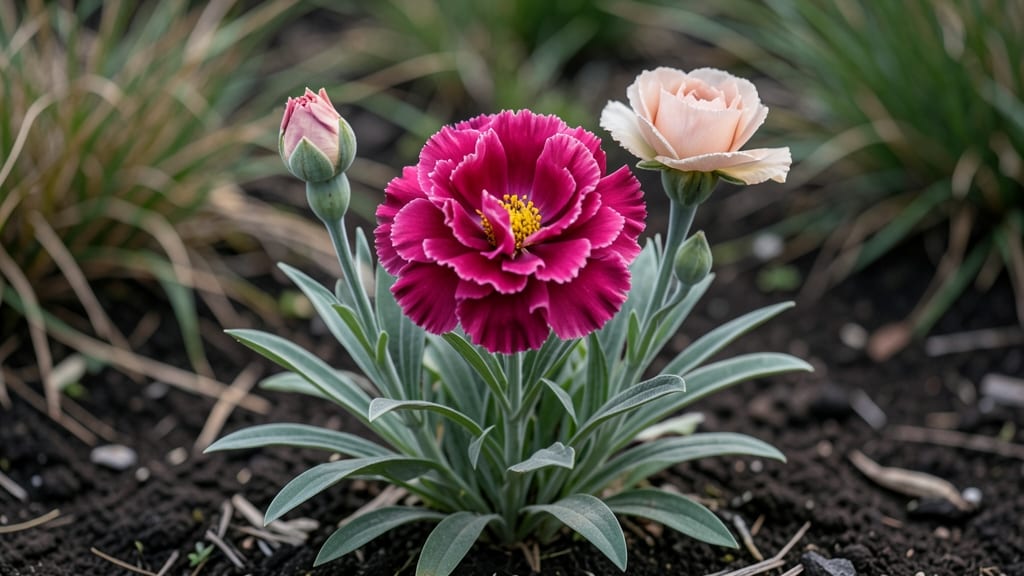
The carnation bloom time varies dramatically by variety and climate, but most types shine brightest from July through September 🌸—with the right care, you can stretch that window even longer.
Picture this: you’ve spent weeks nurturing your carnations, only for them to burst into color for a few days before fading. That’s not how it has to be.
The secret to prolonged blooms lies in matching your variety to your zone and tweaking a few key triggers—light, temperature, and even when you prune.
Some carnations, like the hardy spray varieties, thrive in cooler springs and rebloom with minimal fuss, while others need the heat of summer to kick into full flower.
In USDA Zone 6a, timing your plantings for March-April sets you up for peak blooms, but deadheading and soil prep can add weeks to your display.
Below, I’ll break down the best varieties for your region, the seasonal tweaks that work, and the one pruning hack that keeps your carnations flowering for months—not days.
Carnation bloom time by variety: when and how long they flower
Carnations are one of the most rewarding flowers for gardeners who love long-lasting blooms, but their bloom time varies dramatically by variety and climate. Whether you're growing annual carnations for summer color or perennial varieties that return year after year, timing is everything.
The right choice can extend your flowering season from just a few weeks to months-long displays, with some varieties even reblooming multiple times.
Understanding these differences helps you plan your garden layout, choose companion plants, and even extend your carnation season using simple techniques like deadheading or adjusting sunlight exposure.
For example, spray carnations often bloom earlier in spring than standard varieties, while mini carnations may thrive in containers and flower later into fall. Let’s break down the bloom periods so you can pick the perfect carnations for your garden’s timeline.
| Variety | Bloom Season | Duration | Key Triggers |
|---|---|---|---|
| Spray Carnations (Annual) | Early Spring to Late Summer | 6-8 weeks | Cool spring temps, full sun |
| Standard Carnations (Perennial) | Mid-Summer to Early Fall | 8-10 weeks | Warm days, deadheading |
| Mini Carnations (Annual) | Late Spring to Frost | 4-6 weeks (reblooms) | Container-friendly, partial shade |
| Chabaud Carnations (Perennial) | Late Summer to Fall | 10-12 weeks | Humid climates, mulching |
| Picotee Carnations (Annual) | Early Summer to Mid-Fall | 6-8 weeks | Well-draining soil, pruning |
If you're planting spray carnations in early spring, you’ll likely see blooms as early as May or June, depending on your USDA zone. These varieties are perfect for cutting gardens because they produce clusters of small flowers that last longer in vases.
For a longer bloom time, pair them with mini carnations, which often rebloom if you deadhead them regularly. In my Zone 7 garden, I’ve found that starting seeds indoors by March 1st ensures early blooms.
For gardeners in warmer climates (Zones 8-10), standard carnations and Chabaud varieties thrive year-round with minimal care. These perennials often bloom from June through October, with some extending into November if protected from early frosts.
The key is to mulch heavily in fall to insulate roots and fertilize lightly in early spring to kickstart growth. I’ve seen Chabaud carnations in my California garden produce continuous blooms for over three months with just these adjustments.
One of the most misunderstood aspects of carnation bloom time is the role of daylight hours. Carnations are short-day plants, meaning they bloom in response to longer nights.
This is why fall-planted carnations often flower more prolifically than spring-planted ones—they experience the gradual shortening of daylight that triggers blooming. To encourage fall blooms, I plant mini carnations in late July or August and provide evening shade to mimic shorter days.
If you're growing carnations in containers or pots, choose dwarf or mini varieties like 'Tom Thumb' or 'Sprinkler' for extended bloom times. These compact plants handle limited root space better than standard varieties and often rebloom if you prune spent flowers and rotate pots for even sunlight exposure.
In my balcony garden, potted carnations have bloomed for up to 10 weeks when given morning sun and afternoon shade during peak summer heat.
For cut-flower enthusiasts, spray carnations are the gold standard because their long stems and clustered blooms create stunning arrangements. To maximize bloom duration in bouquets, harvest flowers when buds are just opening (about 50% unfurled) and place stems in cool water with flower food.
In my experience, properly cut spray carnations last 10-14 days in a vase—double the lifespan of
Seasonal triggers to extend carnation bloom time naturally
Carnations are stunning annuals that reward gardeners with vibrant blooms—but only if you understand their seasonal triggers. The key to extending their bloom time lies in mimicking their natural growing conditions. Carnations thrive in cool spring and fall temperatures, but heat and humidity can shorten their lifespan.
By adjusting light exposure, temperature, and soil nutrients, you can delay senescence and encourage reblooming for weeks longer.
One of the biggest mistakes gardeners make is assuming carnations are low-maintenance. In reality, they need precise care to perform at their best. For example, did you know that overwatering in summer can cause blooms to wilt prematurely?
Or that pruning at the right time can stimulate new flower production? These small tweaks make all the difference in keeping your carnations in full bloom.
- 🌞 Maximize sunlight to 6-8 hours daily—partial shade in peak summer heat can prolong blooms by 10-15 days.
- 🌡️ Cool nights (55-65°F) trigger reblooming—use shade cloth if temps exceed 75°F during the day.
- ✂️ Deadhead spent blooms weekly to redirect energy to new buds—never prune more than 1/3 of the plant at once.
- 🌱 Feed with phosphorus-rich fertilizer (5-10-10 NPK) every 4-6 weeks to boost flowering.
- 💧 Water deeply in the morning to prevent fungal diseases—avoid evening watering to keep blooms dry.
Light exposure is the most critical factor for extending carnation bloom time. These flowers crave sunlight, but too much intense heat can stress them. If you live in a hot climate zone (USDA 8-10), provide afternoon shade with a lightweight shade cloth (30-50% coverage).
This simple trick can extend your carnations' bloom period by 2-3 weeks while preventing petal burn.
Temperature control is equally important. Carnations are cool-season plants that thrive when daytime temperatures stay below 75°F. If your summer heatwave pushes temps higher, consider planting in containers and moving them to a shadier spot.
For perennial varieties, mulch heavily around the base to keep roots cool. This mimics their natural Mediterranean habitat, where blooms last longer in cooler conditions.
Pruning might seem counterintuitive, but it’s one of the best ways to encourage reblooming. After the first flush of flowers fades, cut back stems to just above a set of leaves. This stimulates new growth and prolongs the flowering season.
Just be sure to use sterilized pruners to prevent disease spread. For spray carnations, a light trim after each bloom cycle can double your harvest time.
Finally, don’t underestimate the power of soil nutrients. Carnations need a steady supply of phosphorus to produce abundant blooms. Work a balanced fertilizer (5-10-10 NPK) into the soil at planting, then top-dress lightly every 4-6 weeks during the growing season.
For container-grown carnations, use a slow-release fertilizer to avoid overfeeding. Healthy roots mean stronger stems and longer-lasting flowers!