
Blooming
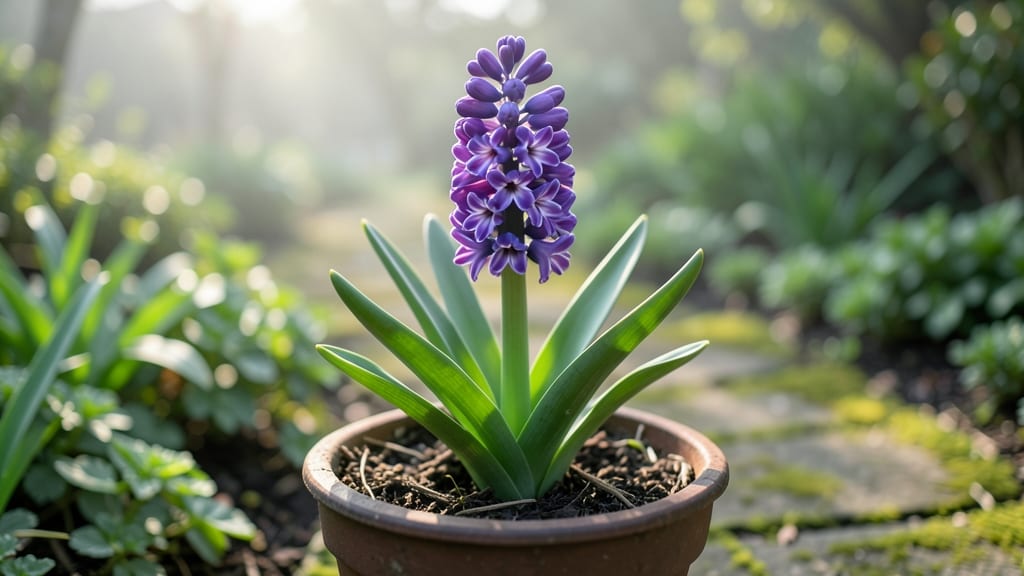
The hyacinth bloom season you’re used to seeing in spring can actually start in January—if you know the forcing trick. Imagine stepping into your living room in January and being greeted by the intoxicating fragrance and vibrant blooms of 🌸 hyacinths, nature’s way of bringing spring indoors before its time.
Forcing hyacinths to bloom early isn’t just possible; it’s a rewarding gardening trick that turns winter doldrums into a burst of color. With the right timing and care, you can enjoy their signature scent and striking flowers months ahead of schedule.
Most gardeners wait for natural blooming in late winter or early spring, but forcing techniques let you control the timing. Whether you’re a seasoned gardener or a beginner, this method is surprisingly simple and delivers stunning results.
Below, I’ll walk you through the exact steps to trigger January blooms, from pre-chilling to post-bloom care. You’ll learn how to avoid common mistakes and keep your hyacinths thriving indoors all season long.
Understanding hyacinth bloom season: natural timeline vs forced blooming
Hyacinths are famous for their fragrant blooms that typically arrive in late winter to early spring, signaling the arrival of warmer days. In their natural outdoor cycle, these bulbs thrive in USDA Zones 3-9 and bloom between March and April, depending on your climate.
This predictable timeline makes them a garden favorite, but it also limits their display to just a few weeks each year.
The secret to extending their beauty lies in forcing techniques, a gardening method that tricks hyacinths into blooming indoors during January or February.
By manipulating their dormancy period through controlled temperature and light exposure, you can enjoy their vibrant colors and sweet fragrance months before their natural outdoor bloom season. This process isn't just for show—it's rooted in botanical science that understands how plants respond to environmental cues.
Here's how the two bloom cycles compare, including the science behind forcing and why it works:
| Factor | Natural Outdoor Bloom | Forced Indoor Bloom |
|---|---|---|
| Bloom Time | March-April | January-February |
| Temperature Trigger | Natural winter chill | 6-8 weeks at 35-45°F |
| Light Exposure | Full sun to partial shade | Bright indirect light after chilling |
| Water Needs | Moderate rainfall | Consistent moisture (not soggy) |
| Duration | 2-3 weeks | 3-4 weeks (with care) |
| Best For | Outdoor gardens | Indoor winter displays |
The key to forcing hyacinths lies in their dormancy requirements. In nature, these bulbs need a period of cool temperatures to break dormancy and trigger flower formation. This process, called vernalization, is essential for their growth cycle.
When you force hyacinths indoors, you're essentially replicating this natural winter chill in a controlled environment, allowing them to bloom 6-8 weeks earlier than their outdoor counterparts.
Forcing begins with selecting high-quality bulbs labeled for forcing. These bulbs are typically larger and have already undergone some pre-chilling. Place them in a pot with well-draining soil and expose them to consistent cool temperatures (around 40°F) for about 6-8 weeks.
This mimics the winter chill they'd experience outdoors, signaling to the bulb that it's time to grow.
Once the chilling period is complete, move your hyacinths to a bright, warm location with indirect sunlight. This shift in conditions triggers the final stages of flower development. Within 2-3 weeks, you'll see buds forming, followed by the emergence of vibrant blooms.
The entire process takes about 10-12 weeks from start to finish, making it perfect for a January indoor display.
One common misconception is that forcing hyacinths will prevent them from blooming outdoors the following year. However, with proper care, your forced bulbs can often be replanted outdoors after blooming and may even produce flowers again the next season.
The key is to avoid overwatering and provide them with the right conditions to recover after their indoor display.
Understanding the science behind forcing also helps you troubleshoot issues. For example, if your hyacinths fail to bloom, it might be due to inadequate chilling time or insufficient light after the chilling period.
By monitoring temperature and light exposure closely, you can maximize your chances of success and enjoy vibrant, fragrant blooms right in your living space during the heart of winter.
Whether you're a seasoned gardener or a beginner, forcing hyacinths is a rewarding project that combines patience and science. The result—a burst of color and fragrance in the middle of winter—makes the effort well worth it.
Plus, it's a great way to extend your gardening season and bring a touch of spring indoors months before it arrives naturally.
Ready to try forcing your own hyacinths? Start by gathering your supplies and planning your 6-8 week chilling schedule. With a little preparation, you'll be well on your way to creating a stunning indoor garden that brightens up even the coldest winter days. 🌸
Step-by-step forcing techniques to trigger January hyacinth blooms
Forcing hyacinths to bloom in January is all about tricking their natural cycle. These bulbs need a cold dormancy period to trigger flower production, and with the right timing and conditions, you can enjoy their fragrant blooms months early.
The key lies in mimicking winter's chill followed by gentle warmth—just like nature does, but on your schedule.
Start by selecting high-quality hyacinth bulbs labeled for forcing. Avoid garden varieties, as they’re bred for outdoor blooming and won’t respond well to indoor forcing. The process begins in late November or early December, giving you blooms by mid-January.
Patience is key—rushing this step can lead to weak or no flowers.
-
Step 1: Pre-Chilling (6-8 Weeks)
Place bulbs in a cool, dark space at 35-45°F (e.g., refrigerator crisper drawer). Use a paper towel to cover them and check weekly for rot. -
Step 2: Potting Up
Plant bulbs in well-draining soil (cactus/succulent mix works). Use a pot with drainage holes, burying bulbs halfway up their sides. Water lightly. -
Step 3: Warmth Trigger
Move pots to 60-65°F (indoor room) and place in bright, indirect light. Avoid direct sun to prevent leaf burn. -
Step 4: Bloom Care
Water when soil feels dry 1 inch down. Rotate pots weekly for even growth. Expect blooms in 4-6 weeks after potting.
After the 6-8 week chilling period, your hyacinth bulbs will be ready for their "wake-up call." Transfer them to pots filled with a light, airy potting mix—this mimics the well-draining soil they’d find in a garden bed.
Gently press the bulbs into the soil, leaving the tops exposed, and water them lightly to settle the mix around the roots.
Once potted, place your hyacinths in a warm, bright location (60-65°F) with indirect light. A south-facing window is ideal, but avoid harsh sunlight, which can scorch the leaves.
Keep the soil consistently moist but not soggy—overwatering is a common mistake that leads to bulb rot. A moisture meter can help gauge the right balance.
As the buds form, you’ll notice the stems elongating and the leaves turning a deeper green. This is your cue to rotate the pot daily for even growth. Once the buds open, enjoy the intoxicating fragrance, but be prepared to remove spent blooms to encourage bulb health for future seasons.
With the right care, your January hyacinths will bloom for 2-3 weeks, brightening your winter days.
Pro tip: After blooming, let the leaves die back naturally before storing the bulbs in a cool, dry place for next year’s forcing. This ensures you’ll have vibrant hyacinths year after year, turning January into your personal springtime oasis. 🌸