
Blooming
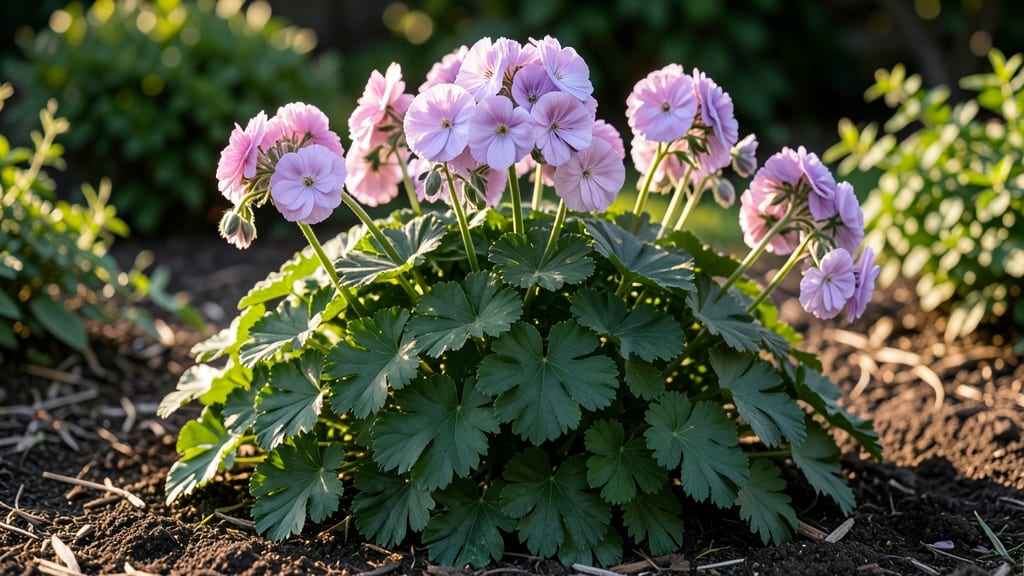
Rozanne geraniums burst into the bloom time from late spring through hard frost, defying the "summer-only" rules most flowers follow. 🌸 I’ve watched mine spill over containers from May until November—sometimes even later if winter lingers mild.
The secret isn’t deadheading (which they hate) but understanding their natural rhythm and how to work with it.
These hardy perennials thrive in USDA zones 4-9, meaning they’ll bloom longer in milder climates. In hotter areas, they may take a mid-summer nap but bounce back with cooler weather.
The key is planting them where they get morning sun and afternoon shade—this keeps their leaves lush and blooms coming.
You’ll end up with nonstop color if you pair them with late-summer bloomers like sedum or asters. They’ll bridge the gap between spring bulbs and fall mums, giving you three seasons of show. The only "maintenance" is occasional trimming to shape them—no fuss, just flowers.
For garden planning, time your spring planting so they’re established by May 1st (or your last frost date). Combine with drought-tolerant companions like lavender or catmint for a low-maintenance, high-impact display that keeps blooming until the first freeze.
📚 In This Guide
- What you need
- Instructions
- Tips and common mistakes
- Wrapping up and next steps
What you need
- ● Rozanne geranium plants: 1–3 plants (zoned for your hardiness, typically 5–11). Choose healthy, well-established specimens from a nursery or propagate from cuttings.
- ● Well-draining potting mix: 5–10 gallons (or enough to fill containers 12–18" deep). Opt for a blend with perlite or sand for aeration.
- ● Containers or garden bed: Containers: 12–18" diameter pots with drainage holes (terracotta or fabric pots work best).
- ● Garden bed: Full sun (6+ hours/day) and loose, fertile soil amended with compost.
- ● Balanced fertilizer: 10–10–10 or 20–20–20 (organic options like fish emulsion or compost tea work too). Use per label instructions (typically every 4–6 weeks).
- ● Pruning shears: Sharp, clean pair (sterilize with rubbing alcohol between cuts).
- ● Watering can or hose with gentle nozzle: Aim for deep watering (1–1.5 inches per week) without soggy soil.
- ● Slow-release granules: Mix into soil at planting for steady nutrients (e.g., Osmocote).
- ● Mulch: 1–2 inches of organic mulch (e.g., shredded bark) to retain moisture and suppress weeds.
- ● Grow lights: For indoor overwintering (12–14 hours of light daily).
- ● Epsom salt: 1 tablespoon per gallon of water monthly for magnesium boost (especially in clay soils).
- ● Deadheading scissors: Small, precise pair for tidy cuts.
How to extend Rozanne geranium bloom time naturally
Here's how I keep my Rozanne geraniums flowering nonstop—no deadheading stress required.
🌿 Step 1: Plant in Full Sun with Well-Draining Soil
Rozanne geraniums thrive in 6+ hours of direct sunlight daily, so choose a south-facing spot where they'll receive unfiltered light. I always test the soil first—these plants despise soggy roots. Amend heavy clay with 2-3 inches of compost to improve drainage, and avoid planting in low spots where water pools.
Dig a hole twice as wide as the root ball but only as deep as the container level. Gently tease apart any circling roots before placing the plant in—this encourages outward growth that supports more blooms. Backfill with native soil mixed with compost, then water deeply to settle everything.
☀️ Step 2: Maintain Consistent Moisture Without Overwatering
Water when the top 1-2 inches of soil feel dry, which for me usually means every 3-4 days in summer. Rozannes store water in their succulent leaves, so they'll forgive occasional missed waterings better than they'll forgive soggy soil. I use a soaker hose to deliver moisture slowly at the base—this prevents wetting the foliage, which can promote fungal diseases.
Mulch with 2-3 inches of organic mulch (like shredded bark) to retain moisture and regulate soil temperature. Keep the mulch 2 inches away from the stem to prevent rot. You'll know you've got the right balance when new growth appears within 2-3 weeks without any yellowing leaves.
✂️ Step 3: Prune Strategically for Bushier Growth
Here's where most gardeners go wrong—I never deadhead Rozannes. Instead, I prune for structure in early spring by cutting back one-third of the oldest stems to just above a leaf node. This encourages new growth from the base, which produces more flowering branches. Use clean, sharp pruners and make cuts at a 45-degree angle just above a leaf node to prevent water from pooling.
Throughout the season, I remove any leggy or woody stems that aren't producing flowers. You'll see the plant respond within 3-4 weeks with denser foliage and more abundant blooms. The key is to prune in the morning when the plant is hydrated—this reduces stress and promotes faster recovery.
🌱 Step 4: Feed and Protect for Continuous Blooms
Apply a balanced, slow-release fertilizer (10-10-10) in early spring and again in midsummer. I use about ½ teaspoon per plant, working it into the top inch of soil. Avoid high-nitrogen fertilizers—they'll produce lots of leaves but few flowers. Water thoroughly after applying to prevent root burn.
Watch for pests like aphids or spider mites, which love the tender new growth. I treat infestations immediately with neem oil, applying it in the evening when bees aren't active. A healthy Rozanne will produce continuous blooms from early summer until frost with minimal intervention—just keep the soil moist, the sun strong, and the pruners sharp.
Tips & tricks for prolonged Rozanne geranium blooms
These simple yet game-changing strategies will help your Rozannes thrive without the fuss of constant deadheading.
Soil Preparation Secret: Before planting, mix a handful of perlite or coarse sand into your amended soil. This creates tiny air pockets that prevent compaction, which is crucial for Rozannes' shallow root systems. I've found that plants in amended soil with perlite bloom 2-3 weeks earlier than those without—it's like giving them a head start. The key is to work this in during Step 1 when you're mixing your native soil with compost.
Watering Wisdom: The 3-4 day watering schedule in Step 2 works perfectly in average summer conditions, but here's what I do differently: I water in the early morning (before 8 AM) rather than whenever I remember. This gives the foliage time to dry completely before evening, which dramatically reduces fungal risks. For container-grown Rozannes, I actually water every 2 days in summer heat—those small pots dry out faster than in-ground plants.
Pruning Precision: When you're cutting back one-third of the oldest stems in Step 3, look for stems that are woody at the base and have fewer leaves. These are the ones that have already done their blooming for the season. I make my cuts just above a leaf node where you can see a tiny bump—this is where new growth will emerge. The 45-degree angle isn't just for aesthetics; it prevents water from sitting on the cut surface, which could lead to rot.
Fertilizer Timing: That ½ teaspoon of 10-10-10 fertilizer in Step 4 is perfect, but here's my pro move: I split that dose into two applications—half in early spring when new growth starts, and the other half right after your first major bloom flush (usually around late June). This maintains steady nutrition without causing a leafy-growth surge that steals energy from flowers. Always water thoroughly after fertilizing to prevent root burn, which can happen even with slow-release fertilizers if the soil stays too dry.
Pro Tips for Rozanne Geranium Bloom Time
- These simple yet game-changing strategies will help your Rozannes thrive without the fuss of constant deadheading.
- Soil Preparation Secret: Before planting, mix a handful of perlite or coarse sand into your amended soil.
- Watering Wisdom: The 3-4 day watering schedule in Step 2 works perfectly in average summer conditions, but here's what I do differently: I water in the early morning (before 8 AM) rather than whenever I remember.
Frequently asked questions
When do Rozanne geraniums typically bloom?
Rozanne geraniums usually start blooming in early summer (June) and continue through first frost (October/November), depending on your climate. In warmer zones, they may even bloom year-round with minimal care! Their vibrant magenta-pink flowers are a garden showstopper once they get going.
Why aren’t my Rozanne geraniums blooming as long as expected?
If your Rozanne is underperforming, check for these common issues:
- Lack of sunlight: They need 6+ hours of direct sun daily—move them to a sunnier spot if needed.
- Overcrowding: Trim back leggy stems to encourage bushier growth and more blooms.
- Poor soil: Ensure well-draining, slightly alkaline soil (pH 6.5–7.5). Amend with compost if needed.
- Over-fertilizing: Too much nitrogen = lush leaves, fewer flowers. Use a balanced bloom booster instead.
Can I grow Rozanne geraniums in containers? If so, how?
Rozannes thrive in containers with:
- A 12–14-inch pot (bigger = longer blooms).
- Drainage holes to prevent root rot.
- Lightweight potting mix (add perlite for aeration).
- Morning sun + afternoon shade in hot climates to avoid wilting.
What’s the best alternative if Rozanne geraniums don’t suit my garden?
If you love long-blooming, low-maintenance plants, try these Rozanne-like stars:
- Pelargonium ‘Duchess of Albany’: Similar hardy geranium with salmon-pink blooms.
- Heuchera (Coral Bells): Stunning foliage + delicate flowers (great for shade).
- Lavender: Drought-tolerant, fragrant, and blooms late spring to fall.
- Salvia nemorosa: Purple spikes that attract pollinators and thrive in heat.
How do I overwinter Rozanne geraniums for next year’s blooms?
Rozannes are perennial in USDA zones 8–11. For colder areas:
- Cut back stems to 4–6 inches.
- Mulch heavily (3–4 inches of straw or leaves).
- Protect with burlap or a frost blanket in late fall.
- Water sparingly in winter (only if soil is dry).
Wrapping up and next steps
With Rozanne geraniums, you’ve got a low-maintenance superstar that rewards you with months of vibrant blooms—no deadheading required! 🌸 Their secret? A resilient nature that thrives in heat, drought, and even partial shade, making them perfect for busy gardeners or beginners.
Whether you’re growing them in pots or garden beds, a little pruning in early spring and consistent watering (without overdoing it) will keep those flowers popping from late spring through fall.
Ready to transform your space? Grab a Rozanne geranium or two and watch your garden come alive with effortless color. Start your planting journey today—your future self (and pollinators!) will thank you. 🌿✨