
Blooming
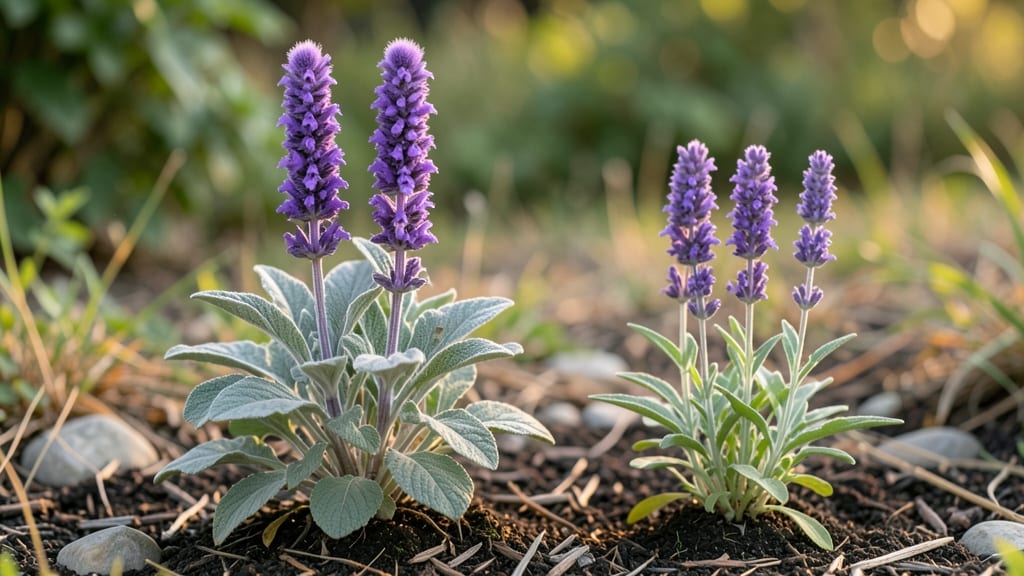
Purple-blooming salvias aren’t just drought-resistant—they’re the secret weapon for gardens that look effortlessly lush all season. 🌿 I’ve grown them in everything from dry borders to modern containers, and their velvety blooms always steal the show, even when other plants wilt in the heat. The key?
Choosing the right varieties and giving them just enough room to thrive without fuss. These salvias pair beautifully with lavender, yarrow, and silver foliage plants, creating a soft purple haze that draws hummingbirds and butterflies. My favorite combo?
A mix of Salvia nemorosa and Salvia officinalis—the first for height, the second for texture. Deadheading spent blooms keeps them flowering until frost, and their aromatic leaves add a bonus sensory treat.
Once established, they’re nearly impossible to kill—just water deeply once a week and watch them bounce back. The trick is placing them where they’ll get 6+ hours of sun and well-draining soil, whether that’s a raised bed, a pot, or a sunny corner of the yard.
Their versatility makes them perfect for cottage gardens, modern minimalist spaces, or pollinator-friendly designs. For extra drama, try planting them in odd-numbered clusters (3, 5, or 7) along pathways or at the back of borders.
They’ll fill in quickly, creating a living tapestry of purple that lasts from early summer to fall’s first frost. Here’s how to make them the star of your garden!
📚 In This Guide
- What you need
- Instructions
- Tips and common mistakes
- Wrapping up and next steps
What you need
- ● Purple and Bloom Salvia Plants: 3–5 mature plants (e.g., Salvia nemorosa, Salvia ‘May Night,’ or Salvia ‘Bee’s Bliss’) for a vibrant display
- ● OR seeds (if starting from scratch—requires patience!)
- ● Well-draining soil: Mix 1 part native soil with 1 part compost and 1 part coarse sand or perlite (salvias hate soggy roots!)
- ● Sunlight access: Full sun (6+ hours daily) for optimal blooms
- ● Watering can or hose: With a gentle spray nozzle (drought-resistant, but they need consistent moisture when establishing)
- ● Pruning shears: Sharp, clean pair for deadheading and shaping
- ● Mulch (2–3 inches of organic mulch like straw or wood chips to retain moisture)
- ● Slow-release fertilizer (balanced 10-10-10 or low-phosphorus for salvias)
- ● Support stakes (if planting tall varieties like Salvia ‘May Night’)
- ● Garden gloves (to protect hands from prickly stems!)
- ● Pebble tray or saucer (for container gardening)
How to grow purple salvias for season-long color
Here's the method I've used for years to keep these drought-tolerant beauties blooming from spring until frost.
🌱 Step 1: Select the Right Varieties and Planting Sites
Choose Salvia nemorosa (perennial) or Salvia leucantha (annual) for maximum reblooming potential. Both thrive in full sun with at least 6 hours of direct light daily, though Salvia nemorosa tolerates partial shade in hot climates. I always plant mine where they'll get afternoon shade in summer—this prevents the flowers from scorching in intense midday heat.
Test your soil's drainage by digging a 6-inch hole and filling it with water. If it drains in under 30 minutes, your site is perfect. Amend heavy clay with 2-3 inches of compost before planting. The key is well-draining soil—these salvias despise soggy roots, which leads to root rot and stunted growth.
☀️ Step 2: Plant at the Correct Depth and Spacing
Dig holes twice as wide as the root ball but only as deep as the container's base. This ensures the plant sits at the same soil level it grew in, preventing stem rot from buried crowns. Gently remove the plant from its container and loosen any circling roots with your fingers—this encourages outward root growth for better stability.
Space plants 18-24 inches apart for Salvia nemorosa or 12-18 inches apart for Salvia leucantha. Crowding reduces airflow, which invites fungal diseases like powdery mildew. I always plant in early spring after the last frost date, giving roots 6-8 weeks to establish before summer heat arrives.
💧 Step 3: Water Deeply but Infrequently
Water deeply once a week during the first growing season to encourage deep root development. The soil should be completely dry 2-3 inches below the surface before watering again—this trains roots to seek moisture deeper down. Overwatering is the #1 mistake; I've seen salvias collapse from root rot after just two weeks of daily watering.
Once established, these plants are exceptionally drought-tolerant. In my zone 7b garden, I water every 10-14 days during summer, and they still produce vibrant purple blooms until frost. The secret is deep, infrequent watering—never let them sit in standing water.
✂️ Step 4: Deadhead and Prune for Continuous Blooms
Deadhead spent blooms every 2-3 weeks by snipping the flower stems just above the first set of healthy leaves. This redirects the plant's energy into producing new flowers instead of setting seed. I always use clean, sharp pruners to avoid damaging stems—dull blades crush tissue, inviting disease.
After the first flush of blooms in late spring, cut back one-third of the plant's height to encourage compact, bushier growth. This also prevents the stems from becoming leggy and floppy later in the season. For Salvia leucantha, I give it a light trim in early summer to promote a second round of blooms before fall.
🌿 Step 5: Fertilize Lightly and Protect from Pests
Feed with a balanced, slow-release fertilizer (10-10-10) once in early spring and again after deadheading. Too much nitrogen produces leafy growth at the expense of flowers, which is the opposite of what we want. I use half the recommended dose—these plants thrive in lean soil and don't need heavy feeding.
Watch for aphids and spider mites, which love the tender new growth. If you see sticky residue on leaves or fine webbing, spray with neem oil or introduce ladybugs for natural control. I've found that healthy, well-watered salvias rarely attract pests—stress is their biggest invitation.
Tips & tricks for growing vibrant purple salvias
These are the hard-won lessons I've learned after years of growing salvias that bloom nonstop from spring to frost.
Site Selection Secret: The 6-hour minimum of sunlight is non-negotiable for vibrant blooms, but here's what I've discovered about the afternoon shade: In zones with intense summer sun (like 8a and above), even just 2 hours of afternoon shade can prevent flower scorching while still maintaining full sun exposure. I've seen salvias planted in full afternoon sun produce duller blooms by mid-summer—this simple adjustment makes all the difference.
Planting Depth Technique: That "same soil level" rule is critical for preventing stem rot, but I've found an extra step makes it even better: After planting, gently press the soil around the base to eliminate air pockets. This creates better root-to-soil contact right from the start. I also add a handful of perlite to the backfill mix for the first few plants—it improves drainage without compromising moisture retention.
Watering Wisdom: The "completely dry 2-3 inches below surface" test is perfect, but I've developed a visual shortcut: When the top 1-2 inches of soil feel dry to the touch (like crumbling sandpaper), it's time to water. This matches the 2-3 inch dryness test while being quicker to check. For containers, I use the "weight test"—when the pot feels noticeably lighter, it's time for water.
Pruning Precision: When cutting back one-third of the plant's height in late spring, I target the oldest stems first. These are the ones that've already bloomed and are starting to look leggy. For Salvia leucantha, that early summer trim should happen right after the first flush of fall blooms appears—this triggers the second bloom cycle without sacrificing summer growth. Always sterilize your pruners with rubbing alcohol between cuts to prevent disease spread.
Pro Tips for Purple And Bloom Salvias
- These are the hard-won lessons I've learned after years of growing salvias that bloom nonstop from spring to frost.
- Site Selection Secret: The 6-hour minimum of sunlight is non-negotiable for vibrant blooms, but here's what I've disc...
- Planting Depth Technique: That "same soil level" rule is critical for preventing stem rot, but I've found an extra st...
Frequently asked questions
Got questions about purple and bloom salvias? You’re not alone—these stunning plants spark curiosity! Here are answers to the most common queries to help you grow with confidence.
How do I keep my salvias blooming all season?
Prune spent blooms regularly (every 2–3 weeks) to encourage new growth. Deadhead faded flowers, but avoid cutting into old wood—salvias bloom on new stems. Feed with low-nitrogen fertilizer (like 5-10-10) in early spring and after each major bloom cycle. Mulch with gravel or bark to retain moisture and deter weeds.
When is the best time to plant purple salvias?
Plant in early spring (after the last frost) or early fall (6–8 weeks before your first frost). Salvias hate soggy roots, so avoid planting in winter or during rainy seasons. If buying potted plants, transplant on a cloudy day or in the evening to reduce shock.
How often should I water drought-resistant salvias?
Once established, water deeply but infrequently—about once a week in dry climates (adjust for rain). Overwatering is the #1 killer! Let soil dry out completely between waterings. Mulch with gravel or rocks (not organic mulch) to prevent moisture loss.
What if my salvia leaves turn yellow or wilt?
Yellow leaves often signal overwatering or poor drainage. Check soil moisture—if it’s damp, ease up! Wilting can also mean underwatering or root rot. Ensure pots have drainage holes and replant in well-draining soil if needed. Fungal issues? Prune affected leaves and avoid wetting foliage.
Are there salvia alternatives for hummingbirds?
Yes! Try these hummingbird magnets:
- Bee balm (Monarda) – Bright red/pink blooms, loves moisture.
- Lantana – Drought-tolerant, clusters of tiny flowers.
- Penstemon – Native-friendly, tubular blooms.
- Coral bells (Heuchera) – Not a hummingbird favorite, but adds color!
Wrapping up and next steps
Transforming your garden into a vibrant, low-maintenance paradise is easier than ever with purple and bloom salvias! These drought-resistant beauties bring color, fragrance, and resilience to any landscape, proving that stunning blooms don’t require endless water or fuss.
Whether you’re a seasoned gardener or just starting, their ability to rebloom all season makes them a must-have for effortless beauty.
Ready to dive in? Start by selecting your favorite varieties—like Salvia ‘May Night’ or Salvia ‘Victoria’—and give your garden the purple pop it deserves! 🌸✨ Grab your tools and begin planting today!