
Blooming
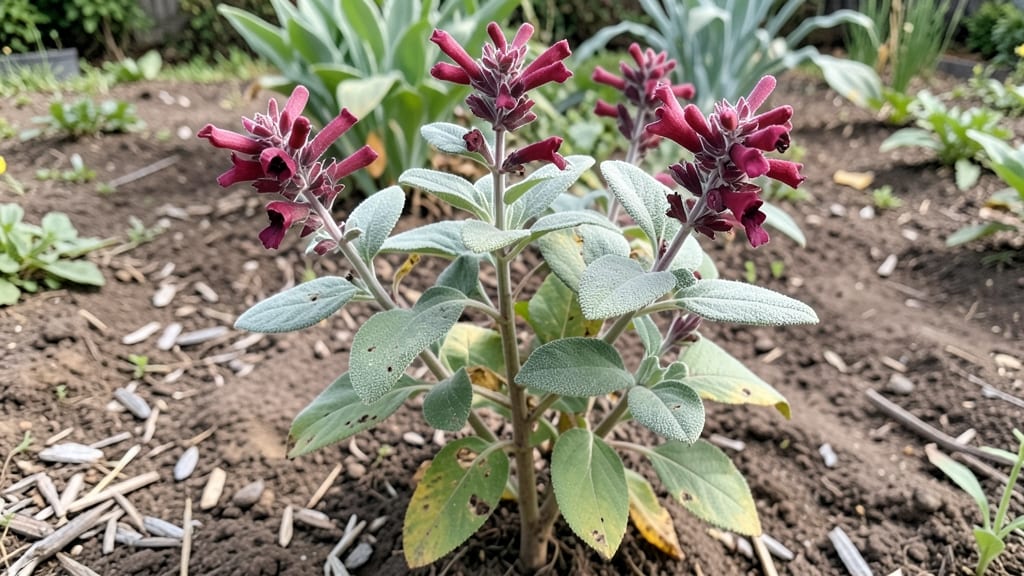
Pineapple sage bloom typically occurs in late summer to early fall, producing vibrant red flower spikes that attract hummingbirds. Pruning spent blooms and providing full sun encourages more abundant flowering in subsequent seasons.
Timing is everything with pineapple sage—those striking red blooms appear when days grow shorter and temperatures stay warm, signaling the plant to shift its energy from leaf growth to reproduction. 🌿 The aromatic leaves actually become more intense in flavor after blooming, making pruned plants even more useful in recipes like teas or desserts.
If your plant skips flowering, check for shade or nutrient deficiencies, as consistent sunlight and balanced soil are non-negotiable for triggering this natural cycle.
What many gardeners miss is that deadheading (removing spent flowers) isn’t just about looks—it redirects the plant’s energy toward future blooms. I’ve found that cutting back by one-third after flowering gives my plants a second flush of flowers in cooler months, while also keeping the foliage lush and fragrant.
Just avoid heavy pruning in winter, as pineapple sage needs some dormancy to recharge for next year’s vibrant display.
💡 In This Article
- Pineapple Sage Flowering Cycle Explained
- Tips to Maximize Pineapple Sage Flower Production
Pineapple sage flowering cycle explained
The flowering process in pineapple sage is triggered by a combination of daylight duration and temperature shifts. As daylight hours shorten in late summer—typically between 12-14 hours of light—the plant detects this change through its phytochrome pigments, which act like biological clocks.
These pigments absorb red and far-red light, signaling the plant to shift from vegetative growth to reproductive mode. Simultaneously, daytime temperatures need to stay above 70°F while nights cool to 55-60°F, creating the perfect hormonal trigger for bloom initiation.
Here's what's actually happening at the cellular level: The plant's apical meristems (growth points) begin producing higher levels of florigen, a flowering hormone that travels from leaves to buds.
This process is similar to how chrysanthemums bloom in response to shorter days, but pineapple sage's tropical heritage means it requires warmer temperatures to complete the cycle.
The vibrant red flower spikes you see emerge from these meristems contain nectar-rich blossoms that attract pollinators like hummingbirds—nature's way of ensuring seed dispersal. Each spike can reach 6-12 inches tall and contains dozens of tiny tubular flowers packed with sweet nectar.
The timing of this cycle explains why late summer is peak season: The plant has spent spring and early summer building energy through leaf growth, storing carbohydrates in its stems and roots. When the critical daylight threshold is reached, these stored reserves fuel the rapid development of flower buds.
What most people don't realize is that the aromatic compounds in pineapple sage leaves actually become more concentrated after flowering, as the plant redirects its essential oils from flower production back to foliage. This is why pruned plants often yield more flavorful leaves for culinary use.
Temperature plays a nuanced role beyond just being warm enough. If nights stay too warm (above 65°F), the plant may produce fewer flowers or develop blooms that don't open properly.
This is why gardeners in warm climates sometimes see reduced flowering—the plant doesn't get the proper nighttime temperature drop to complete its hormonal cycle. The ideal scenario is what we see in USDA zones 8-10: warm days with cool nights that create this perfect hormonal balance.
In cooler zones, the plant may wait until early fall when these conditions align naturally.
Light quality matters too—pineapple sage thrives under full sun but can also flower with 6-8 hours of direct sunlight, though the blooms will be less abundant. The key is consistent light exposure without extreme heat stress.
When you see pineapple sage struggling to bloom, check for these light-related factors first: Is the plant getting afternoon shade from nearby structures? Are the leaves showing signs of heat stress like yellowing or crispy edges?
These visual cues often indicate the plant isn't receiving the optimal light conditions for its flowering cycle.
What's fascinating is how this tropical plant has adapted to temperate climates. Native to Mexico and Central America, pineapple sage evolved to bloom during the rainy season when pollinators are most active.
In gardens, we recreate this cycle by providing the right light and temperature cues, while also ensuring the plant has well-draining soil to prevent root stress.
The result is that well-cared-for plants can produce multiple bloom cycles throughout the growing season, with each flush becoming more vigorous as the plant matures.