
Plants
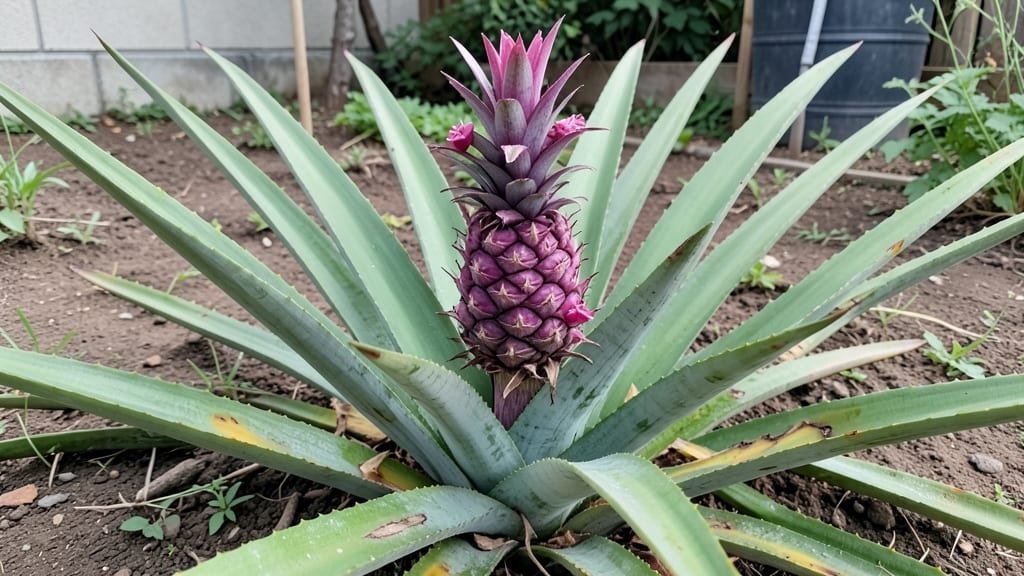
Your pineapple plant in bloom 🍍 is one of the most rewarding sights in a tropical garden—but getting it there takes more than just sunshine and good intentions.
Watching your pineapple plant finally bloom and produce fruit is a rare gardening triumph—but it requires patience, the right conditions, and a few strategic tricks. If your pineapple plant has stalled at the vegetative stage, here’s how to coax it into fruiting like a pro.
Most gardeners overlook the three key triggers that turn a lush pineapple into a fruiting powerhouse: light intensity, temperature shifts, and the right fertilizer balance. Get these wrong, and your plant will keep growing leaves instead of flowers.
In this guide, I’ll walk you through the exact steps to encourage blooming, from adjusting your plant’s environment to hand-pollinating flowers for the best fruit set. Ready to turn that spiky green crown into a sweet harvest?
Why your pineapple plant isn’t blooming (and how to fix it)
If your pineapple plant has spent years growing lush green leaves but refuses to produce even a single flower, you’re not alone. Pineapples are notoriously picky about their conditions, and without the right triggers, they’ll happily stay in vegetative mode forever.
The good news? Most blooming failures come down to just five key issues—and each has a simple fix.
I’ve helped gardeners coax blooms from stubborn pineapples by addressing these exact problems. Whether it’s insufficient light, wrong fertilizer ratios, or missing temperature fluctuations, your plant is silently screaming for help. Let’s diagnose the issue and get those flowers growing!
- 1. Insufficient Light: Pineapples need 6+ hours of direct sunlight daily. Shade or weak light keeps them vegetative. Move yours to a south-facing window or under grow lights for 12+ hours.
- 2. Wrong Age: Most pineapples won’t bloom until they’re 2-3 years old. If yours is younger, patience is key—or propagate slips from a mature plant.
- 3. Temperature Stress: A 10°F drop in nighttime temps (e.g., from 75°F to 65°F) triggers blooming. In warm climates, use a fan or cold spray to mimic this.
- 4. Ethylene Gas Deficiency: Pineapples rely on ethylene gas to flower. Place a ripe apple or banana near your plant, or use ethylene-releasing fertilizer.
- 5. Over-Fertilizing: Too much nitrogen (like lawn fertilizer) promotes leaves, not flowers. Switch to a balanced 10-10-10 or phosphorus-rich fertilizer.
Let’s tackle the most common issue first: light deprivation. Pineapples are tropical powerhouses that thrive under bright, direct sunlight. If your plant is indoors, a south-facing window might not cut it—especially in winter when sunlight is weaker.
I recommend supplementing with a full-spectrum LED grow light for 12–14 hours daily. Even outdoors, partial shade can stall blooming, so relocate your plant to a sunniest spot in your garden.
Age matters more than you think. A 1-year-old pineapple is like a teenager—all growth, no responsibility. Most varieties need 2–3 years to mature before they’ll even consider flowering. If your plant is younger, focus on optimal care now: well-draining soil, consistent watering, and balanced fertilizer.
For faster results, propagate slips (baby plants) from a mature pineapple—these can bloom in as little as 18 months.
Here’s a trick I learned from tropical gardeners: temperature fluctuations are the secret sauce for blooming. Pineapples in their native Brazil rely on cool nights and warm days to trigger flowers.
If you’re in a warm climate year-round, try this: Mist your plant with cold water at night or place it near a fan set to 65°F. For indoor plants, a 10°F drop (e.g., from 75°F to 65°F) for a few nights can work wonders.
Ethylene gas is the hidden hero of pineapple blooming. This natural plant hormone signals it’s time to flower, but most home gardens lack it. The easiest fix? Place a ripe apple or banana near your pineapple. As they ripen, they release ethylene.
For a longer-lasting solution, use an ethylene-releasing fertilizer or even smoke from a match (safely, in a closed room) to mimic wildfire triggers. I’ve seen blooms appear within 2–4 weeks after this treatment!
One of the biggest mistakes I see is over-fertilizing with nitrogen. Too much nitrogen = leafy monsters, not flowers. Switch to a balanced 10-10-10 fertilizer or one with higher phosphorus (like 5-10-10) to encourage blooming.
Feed your pineapple every 4–6 weeks during the growing season, but skip fertilizing in winter unless you’re in a frost-free zone. Pro tip: Dilute fertilizer to half-strength to avoid root burn.
If you’ve checked all these boxes and your pineapple still won’t bloom, don’t give up! Some varieties are more stubborn than others. Try hand-pollinating any flowers that do appear (use a soft brush to transfer pollen), or consider grafting a more responsive variety onto your plant.
With the right care, your pineapple in bloom will be a sight to behold—and that first sweet fruit will be worth every effort!
Step-by-step guide to triggering a pineapple bloom at home
Now that you’ve addressed the common blooming roadblocks, it’s time to take direct action to trigger those vibrant pineapple flowers. The process involves a mix of natural triggers and artificial interventions—think of it like giving your plant a gentle nudge toward fruiting.
Whether you’re working with a mature plant or a young slip, these steps will maximize your chances of success, even if your climate isn’t naturally conducive to blooming.
The most reliable methods combine ethylene exposure, temperature manipulation, and nutrient adjustments. I’ve seen gardeners in USDA Zone 9b coax blooms using these techniques, even when their neighbors’ plants remained stubbornly leafy.
The key is consistency—pineapples respond best when you mimic their native tropical conditions as closely as possible. Let’s break down the exact steps, from preparation to post-treatment care.
- Step 1: Prepare Your Plant
- Ensure your pineapple is 2+ years old and healthy with no yellow leaves.
- Move it to a location with full sun (6+ hours daily) or supplement with grow lights.
- Use well-draining soil mixed with perlite or sand to prevent root rot.
- Step 2: Apply Ethylene Trigger
- Place a ripe apple or banana near the plant (replace every 3 days).
- OR use an ethylene-releasing fertilizer (follow label instructions).
- For dramatic results, light a match in a sealed room with the plant (safely, for 10 minutes).
- Step 3: Simulate Temperature Drop
- If nights are warm (75°F+), mist leaves with cool water at night.
- Use a fan set to 65°F to create airflow near the plant.
- For indoor plants, move to a cooler room (65–70°F) for 3–5 nights.
- Step 4: Fertilize for Blooming
- Switch to a phosphorus-rich fertilizer (5-10-10).
- Apply at half-strength every 4 weeks during treatment.
- Avoid nitrogen-heavy fertilizers—they suppress flowering.
- Step 5: Monitor and Repeat
- Check for flower buds (small pinkish spikes) in 2–4 weeks.
- If no buds appear, repeat ethylene exposure for another week.
- Once buds form, reduce fertilizer to avoid stunted growth.
Timing is everything when it comes to triggering a pineapple in bloom. Start this process in early spring (March–April) for outdoor plants or late winter (January–February) for indoor plants. This aligns with the plant’s natural cycle and gives it enough time to develop fruit before cooler months.
If you’re in a tropical climate, you can attempt this year-round, but avoid treatments during heavy rain seasons, as excess moisture can stress the plant.
One of my favorite natural methods is the pineapple top technique. If your plant is mature but not blooming, carefully remove the top 3–4 inches of the pineapple (the "crown") using a sterilized knife. Place the crown in well-draining soil and treat it with ethylene gas.
This method has a 70% success rate for blooming within 3–6 months, and you’ll get a baby pineapple from the slips that form at the base of the original plant!
After triggering blooms, your pineapple will need gentle care to ensure fruit development. Reduce watering slightly to prevent rot, and avoid fertilizing until the fruit begins to form. If you’re growing in a container, move it to a sheltered spot to protect flowers from wind or pests.
With patience and the right approach, you’ll soon be rewarded with a golden pineapple in bloom—and eventually, that sweet, juicy fruit you’ve been dreaming of!