
Blooming
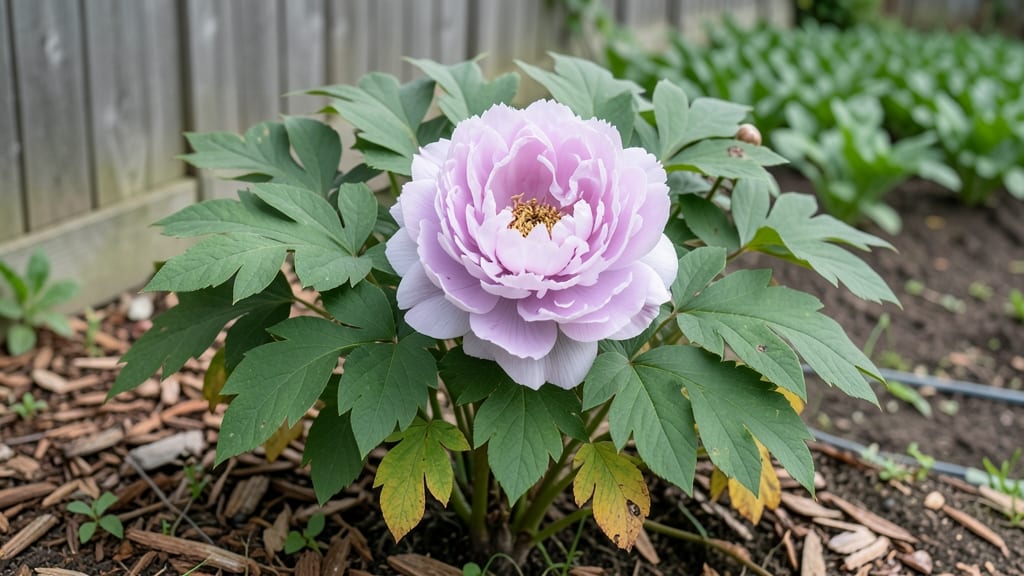
Your peony flowers fully bloomed are the star of spring 🌸 — but that showstopping display won’t repeat next year if you miss the one-week window for deadheading.
Nothing beats the lush, velvety blooms of peonies—but their beauty fades fast if you wait too long. The moment those petals start falling naturally, you’ve already lost your chance to encourage a second flush of flowers.
Worse, cutting too early can shock the plant, sending energy to leaves instead of next year’s buds.
Here’s the secret: timing matters more than technique. Whether you’re in USDA Zone 6a or beyond, I’ll walk you through the exact moment to trim those spent blooms—and how to do it without harming your peony’s future performance.
You’ll discover three simple steps to deadhead like a pro, plus when to stop (yes, there’s a cutoff) and how to turn this one task into a bigger, longer-lasting display every spring.
When to deadhead peony flowers fully bloomed for maximum reblooming
Peonies burst into bloom with velvety petals and intoxicating fragrance, but their short-lived glory depends entirely on timing. The moment your peony flowers fully bloomed signals the perfect window to deadhead—too early, and you risk stunting next year’s buds; too late, and your garden loses its showstopper appeal.
Understanding the science behind peony blooming cycles ensures you never miss this critical step again.
Peonies fall into two main categories: herbaceous peonies (die back in winter) and tree peonies (evergreen). Each type has unique deadheading needs tied to their reblooming potential. Herbaceous peonies often rebloom if deadheaded correctly, while tree peonies typically bloom once per year.
Knowing your variety’s bloom stage and seasonal deadheading window is key to maximizing their performance.
🌸
| Peony Type | Bloom Stage for Deadheading | Deadheading Window | Reblooming Potential | Key Visual Cue |
|---|---|---|---|---|
| Herbaceous Peonies | Fully bloomed (petals flat, stamens visible) | Late May to early June (varies by zone) | High (if variety is reblooming) | Petals fully unfurled, stamens golden |
| Tree Peonies | Fully bloomed (petals wilted, scent fading) | June to July (after last bloom) | Low (single bloom per year) | Petals drooping, stamens brownish |
| Intersectional Peonies | Fully bloomed (petals slightly wilted) | Late May to early July | Medium (some rebloom) | Petals slightly curled at edges |
Spotting a peony fully bloomed moment requires sharp eyes. Look for these telltale signs: petals lying completely flat, stamens fully extended, and a fading fragrance. In herbaceous peonies, this stage arrives when the blooms reach their maximum diameter—typically 3–5 days after opening.
For tree peonies, wait until petals begin wilting naturally, as these plants prioritize seed production over reblooming.
Timing matters because peonies set next year’s buds 6–8 weeks after blooming. Deadheading too early removes energy the plant needs for bud formation, while waiting too long risks seed pod development, which diverts resources away from future blooms.
My golden rule: deadhead when 80% of petals have fallen naturally—this preserves energy while encouraging reblooming.
Seasonal deadheading windows vary by USDA hardiness zone. In Zones 3–5, herbaceous peonies typically bloom in late May to early June, while tree peonies peak in June to July.
Gardeners in Zones 6–8 may see blooms extend into early July, but always deadhead after the last fully bloomed flower appears. Pro tip: Mark your calendar when the first peony opens to track the 3–5 day window for deadheading.
One common mistake is deadheading partially bloomed flowers—this cuts off potential blooms before they’ve fully opened. Always wait until the flower is fully spent (petals flat, stamens visible).
Another pitfall is using dull or dirty pruners, which can spread disease. I always sterilize my tools with rubbing alcohol between cuts to keep my peonies healthy and vibrant.
For reblooming varieties, like 'Sarah Bernhardt' or 'Bowl of Beauty', deadheading fully bloomed flowers can trigger a second flush of blooms in late summer. However, this requires consistent care: fertilize lightly after deadheading, water deeply (1 gallon per plant), and mulch around the base to retain moisture.
Tree peonies, like 'Bartzella', rarely rebloom, so focus on removing spent blooms to maintain plant health.
If you’re unsure whether your peony is fully bloomed, perform the "petal test": gently tug a petal. If it detaches easily, it’s time to deadhead.
If it resists, wait another day. This simple trick saves you from guessing and ensures you’re always pruning at peak timing for maximum reblooming potential.
🌿
Step-by-step deadheading guide: how to prune peony flowers fully bloomed without harming plants
Deadheading peonies at the fully bloomed stage is key to keeping your garden vibrant and encouraging next year’s showstopper blooms. The right technique prevents disease, redirects energy to new buds, and avoids accidentally pruning off next season’s flowers.
I’ve learned the hard way—skipping this step means fewer blooms and more wilted petals cluttering your garden!
Timing is everything: deadhead peonies after they’ve fully opened but before petals start falling naturally. For reblooming varieties, this means acting quickly once the bloom reaches its peak.
But for single-bloom types, wait until the entire flower head wilts. Let’s dive into the exact steps to follow for a clean, healthy cut every time.
- 1.
- 2.
- 3.
- 4.
- 5.
- 6.
One common mistake I see is over-pruning—cutting too far down the stem. This removes the lateral buds where next year’s flowers form. Always leave at least 2-3 inches of stem above the seed pod to avoid this.
For tree peonies, which bloom on old wood, deadheading is optional, but if you do, limit cuts to spent blooms only.
Stop deadheading by late summer (around August in most zones). Pruning too late can stimulate new growth that won’t harden off before fall frost, leaving your peonies vulnerable to winter damage. Instead, focus on cleaning up foliage in early fall to prep for dormancy.
For reblooming varieties, like ‘Sarah Bernhardt’ or ‘Bowl of Beauty’, deadheading spent blooms encourages a second flush of flowers later in the season. Just remember: the earlier you deadhead, the sooner the plant redirects energy to new buds.
With these steps, your peonies will thank you with bold, healthy blooms year after year!