
Blooming
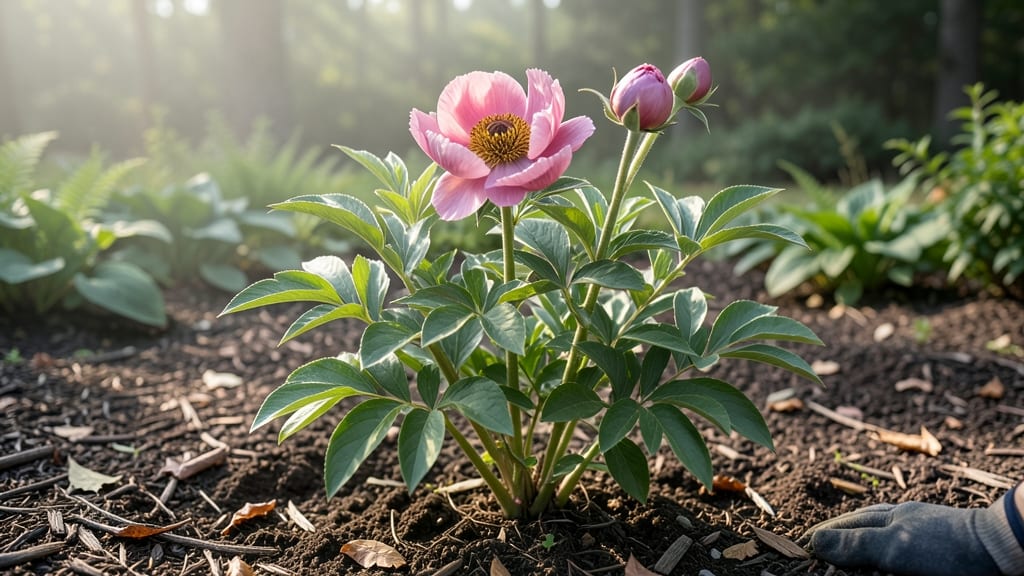
Most peonies do only bloom once per season, but reblooming varieties like 'Sarah Bernhardt' or 'Bowl of Beauty' can produce a second, smaller flower flush with proper deadheading and fertilization. Traditional peonies, however, typically remain single-bloomers.
Not all peonies follow the same blooming pattern—it comes down to genetics and care. 🌸 The single-blooming heritage varieties prioritize energy into one spectacular spring display, while rebloomers like 'Bowl of Beauty' allocate resources differently, allowing for a smaller second show later in summer.
The key difference lies in their root systems and how they store energy between seasons.
To encourage reblooming, focus on three critical practices: consistent deadheading after the first bloom, balanced fertilization (especially phosphorus-rich formulas), and avoiding heavy pruning. I've found that rebloomers often need slightly more frequent watering during their second growth phase to support the extra floral energy demand.
💡 In This Article
- Why Most Peonies Bloom Just Once—and How Rebloomers Differ
- Tips to Encourage Reblooming in Peony Plants
Why most peonies bloom just once—and how rebloomers differ
Peonies evolved to conserve energy through a natural survival mechanism. Most varieties, especially the classic heritage types, allocate nearly all their resources to producing one spectacular bloom in late spring.
This single flush occurs because the plant prioritizes reproductive success over multiple cycles—similar to how many perennials focus on one major growth phase annually. The root system of single-bloomers stores energy during dormancy, reserving it for that one explosive display rather than spreading it thin across multiple blooms.
The key difference with reblooming varieties lies in their genetic makeup and root development. Rebloomers like 'Sarah Bernhardt' have been selectively bred to develop deeper, more extensive root systems that can store additional energy reserves.
These roots contain more starch and nutrients, allowing the plant to support a second, smaller bloom cycle later in the season. The trade-off?
Their second flush is typically about 60-70% smaller than the first, with fewer petals and slightly less vibrant color—nature's way of conserving energy while still rewarding gardeners with extra beauty.
Seasonal growth cycles also play a crucial role. Single-bloomers enter full dormancy after their spring display, redirecting all energy to root and foliage growth for next year. Rebloomers, however, maintain partial metabolic activity through summer, which requires careful management.
The plant must balance photosynthesis, nutrient storage, and flower production simultaneously—a delicate act that explains why rebloomers often need more consistent care than their single-blooming counterparts.
What most gardeners don't realize is how temperature fluctuations affect this process. Reblooming varieties typically need a period of cooler weather (around 50-60°F) after their first bloom to trigger the second flowering cycle.
This temperature range helps reset the plant's internal clock, similar to how some fruit trees require chill hours to produce fruit. Without this cooling period, many rebloomers will skip their second flush entirely, even with perfect care.
Another fascinating difference appears in the flower buds themselves. Single-bloomers develop their primary buds in the previous fall, while rebloomers form both primary and secondary buds.
These secondary buds remain dormant until summer conditions are just right—a process that explains why second blooms often appear more suddenly and can vary dramatically in timing from year to year.
The buds are also more sensitive to environmental stress, which is why rebloomers sometimes produce fewer flowers after particularly hot or dry summers.
Consider this comparison: A single-blooming peony might produce 10-15 large, showy flowers measuring 5-8 inches across, while a rebloomer's second flush might yield 5-8 smaller blooms measuring 3-5 inches.
The difference isn't just in quantity but in the plant's entire energy allocation strategy—a perfect example of how genetics and environment interact in the garden. 🌿