
Blooming
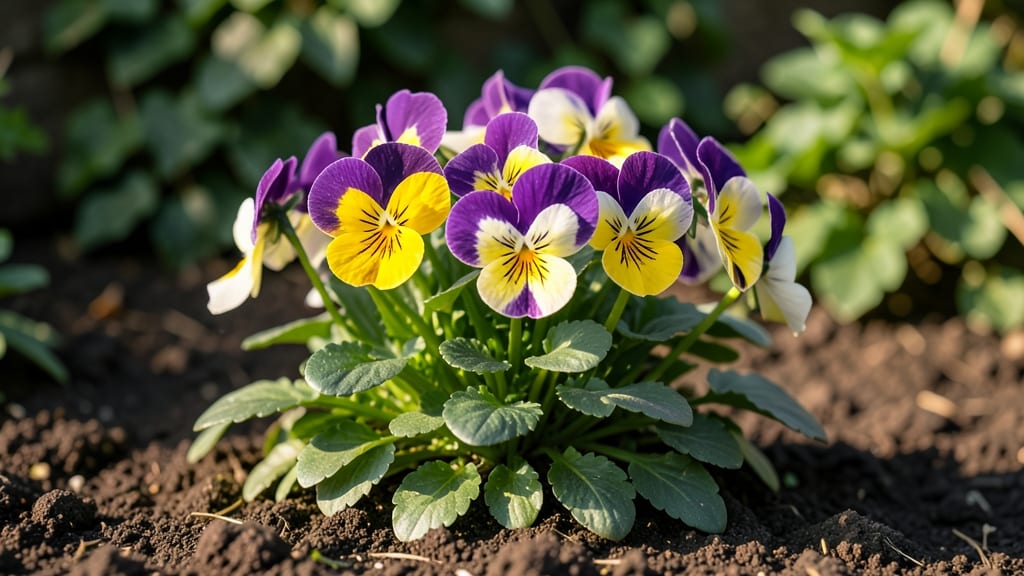
The pansy bloom time in early spring and late fall brings vibrant color when most flowers take a break for winter.
Picture this: frost clings to your garden, but your pansies are still putting on a show, their faces smiling up at you in shades of purple, yellow, and blue.
Most gardeners miss their peak bloom time because they don’t know the exact timing—or how to stretch those flowers into a full season.
Whether you’re in USDA Zone 6a or further south, understanding pansy bloom cycles means you can plan for nonstop color from late winter through early fall. The key? Planting at the right time, choosing the right varieties, and giving them the care they need to keep blooming.
In this guide, I’ll break down when pansies typically flower, how to extend their bloom time, and which varieties stay cheerful the longest—so you can enjoy their cheerful faces all season long.
When do pansies bloom? Seasonal timing for maximum cold-weather color
Pansies thrive where most flowers fear to tread—cold weather gardens—but their bloom timing varies wildly depending on your USDA hardiness zone and planting strategy.
In Zone 3-5, expect vibrant blooms as early as late September if planted in fall, while Zone 7-10 gardeners can enjoy winter-long color with proper care. The key? Understanding how temperature fluctuations trigger their unique flowering patterns.
Most gardeners assume pansies bloom only in spring, but the truth is far more exciting: with the right planting schedule, you can stretch their show from early fall to late spring.
Biennial varieties (like 'Matrix') often bloom first in their second year, while perennial types (such as 'Cool Wave') may rebloom annually if given ideal conditions. Let’s break down the seasonal windows by zone to maximize your color payoff.
| USDA Zone | Fall Planting Window | First Blooms | Rebloom Period | Notes |
|---|---|---|---|---|
| 3-4 | Aug 15-Sept 15 | Late Sept | April-June | Hardy perennials thrive |
| 5-6 | Sept 1-Oct 15 | Oct-Nov | March-May | Biennials bloom Year 2 |
| 7-8 | Oct 1-Nov 15 | Nov-Dec | Jan-April | Fall-planted blooms overwinter |
| 9-10 | Nov 1-Dec 15 | Dec-Jan | Feb-April | Year-round blooms possible |
In Zones 3-4, pansies planted in late summer will often surprise you with September blooms, especially if they’ve had a head start in cool greenhouse conditions. The secret?
Pansies actually prefer cooler temperatures—ideal bloom triggers occur when daytime highs dip below 75°F. This is why fall planting yields earlier flowers than spring sowing in most regions.
For Zones 5-6, the sweet spot is planting 6-8 weeks before your first frost.
This gives roots time to establish before winter, then they’ll burst into color by October or November. Reblooming typically occurs in late winter to early spring (February-March), but deadheading spent blooms can coax secondary flushes as late as May in cooler microclimates.
Southern gardeners in Zones 7-10 have the luxury of year-round pansy displays if they plant in staggered waves. Start with fall plantings in October for winter blooms, then follow up with spring plantings in February to bridge gaps.
In Zone 10, some varieties like 'Sorbet' even bloom continuously when temperatures stay mild, making them perfect for cutting gardens.
Temperature plays a critical role in bloom duration. Pansies slow their growth when nights drop below 40°F, but they won’t die back like tender annuals. Instead, they enter a dormant-like state, then rebound with spring warmth.
This is why Zone 3 gardeners often see two distinct bloom periods: a fall show followed by a spring rebloom.
One common misconception is that perennial pansies bloom forever. In reality, even hardy varieties need renewed energy—that’s why fall fertilization with low-nitrogen fertilizer (like 5-10-10) can extend their season by 3-4 weeks.
Pair this with consistent moisture (but never soggy soil), and you’ll see vibrant blooms even in January’s chill.
Pro tip: Succession planting is your best friend for nonstop color. In Zones 5-6, plant half your pansies in fall and half in early spring.
This creates a seamless transition from autumn to summer, with no bare spots. Just remember: spring-planted pansies in hot climates (Zone 7+
How to extend pansy bloom time: pro tips for longer-lasting flowers
Pansies naturally bloom for 6-8 weeks under ideal conditions, but with the right care, you can stretch that to 3-4 months or longer. The key lies in understanding their growth cycle and intervening at critical stages.
Unlike annuals that fade quickly, pansies are perennial in mild climates and can rebloom if given the right signals. Let’s break down the science-backed strategies that work.
First, recognize that pansies are short-day plants, meaning they respond to daylight length. In cooler months, they naturally bloom longer, but heat and long daylight hours trigger dormancy.
Your goal is to mimic ideal conditions—cool temps, consistent moisture, and proper nutrition—to delay that dormancy phase. Start with these foundational steps before diving into advanced techniques.
- 1 Deadhead daily – Remove spent blooms by pinching stems just above the first set of leaves. This redirects energy to new flower buds instead of seed production. Pro tip: Use clean pruners to avoid disease.
- 2 Fertilize every 4-6 weeks with a balanced 5-10-10 NPK formula. Avoid high-nitrogen feeds—they promote leafy growth over blooms. Fall feeding (September-October) is critical for late-season color.
-
3
Choose slow-release varieties like 'Matrix' or 'Cool Wave'. These hybrids bloom 2-3 weeks later than fast-bloomers but last 50% longer in the garden. Compare:
- Fast-bloomers: 'Sorrento' (4-6 weeks to bloom, 6-8 week duration)
- Slow-release: 'Cool Wave' (6-8 weeks to bloom, 10-12 week duration)
- 4 Adjust light exposure – Pansies thrive in full sun (6+ hours) but can bolt in summer heat. In USDA Zones 7-10, provide afternoon shade during peak summer to prevent dormancy. Use shade cloth (30-50% coverage).
- 5 Stagger plantings – Sow seeds or transplant every 3-4 weeks from September to November (fall) or March to May (spring). This creates a rolling bloom cycle, ensuring fresh flowers as older ones fade.
Don’t overlook the power of mulching—a 2-3 inch layer of straw or shredded leaves keeps roots cool and retains moisture. This is especially critical in Zone 5 and colder, where temperature fluctuations can shock pansies into dormancy.
Pair mulch with even watering (1 inch per week) to avoid stress-induced bloom drop.
For container-grown pansies, swap pots every 2-3 years to refresh soil nutrients. Old soil becomes compacted, limiting root expansion and reducing bloom time by 30% or more.
Mix in compost and perlite at repotting to improve aeration and drainage. Containers also dry out faster, so check soil moisture daily in summer.
With these strategies, you’ll transform pansies from short-lived spring stars into year-round workhorses of your garden. The secret? Treat them like the low-maintenance divas they are—give them the right stage (light, soil, nutrients), and they’ll steal the show for months. 🌸