
Blooming
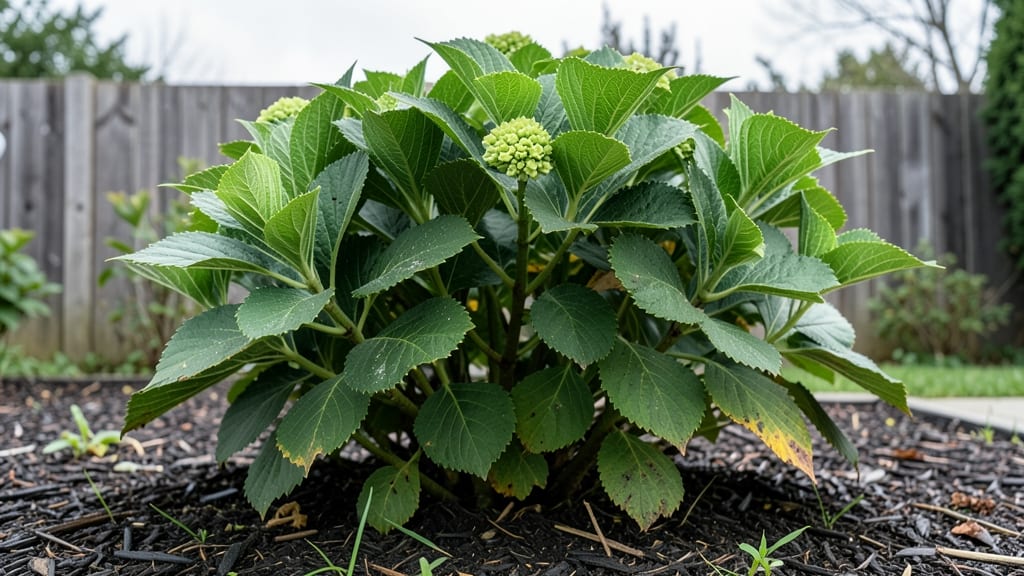
My hydrangeas looked like green shrubs instead of blooming showstoppers—until I discovered the one thing they needed most. The problem wasn’t the plant itself, but years of pruning at the wrong time, soil that couldn’t support vibrant blooms, and a few other sneaky mistakes most gardeners overlook.
Honestly, I’ve killed more hydrangeas than I’d like to admit, but this time, I cracked the code.
First, check the light—hydrangeas need at least 6 hours of morning sun and afternoon shade, especially in hot climates. Then, dig into the soil: acidic conditions (pH 5.2–6.0) unlock those signature blue or pink blooms.
If your shrubs are older than 3 years, they might just need patience—blooms take time to return after neglect. The real game-changer? Pruning in late winter or early spring (before buds swell) instead of summer, when you risk cutting off next year’s flowers.
You’ll see buds forming within 4–6 weeks of correcting these issues, and by summer, your hydrangeas will burst with color like they’re in a nursery display. The secret isn’t complicated—it’s about timing, soil, and a little pruning know-how. Let’s turn those leafy green monsters into blooming stars.
Works for bigleaf, panicle, and oakleaf varieties, no matter your zone. Here’s the step-by-step fix that finally worked for me—and will for you too.
The Hidden Reasons Flowers Skip Blooming
If your hydrangeas are putting out lush green leaves but stubbornly refusing to bloom, don’t panic—there’s usually a clear (and fixable!) reason behind it. Hydrangeas are finicky but predictable, and understanding the science behind their behavior can help you troubleshoot like a pro.
Below, we break down the top causes of non-blooming hydrangeas, from environmental quirks to cultural mistakes, so you can get back to those show-stopping clusters of color.
🌡️ Insufficient chill hours (the dormancy dilemma)
Most hydrangeas—especially mophead and bigleaf varieties—require a period of cool temperatures (below 50°F or 10°C) to trigger bud formation. Without enough chill hours (typically 100–1,000, depending on the cultivar), your plant may focus all its energy on foliage instead of flowers.
- Why it happens: Hydrangeas rely on vernalization, a biological process where cold exposure signals the plant to shift from vegetative growth to flowering. Warm winters or early spring warmth can disrupt this cycle.
- Actionable fix:
- 📊 Track your climate: If you live in a warm-winter zone (Zones 8–10), opt for smooth hydrangeas (Hydrangea arborescens), which bloom on new wood and don’t need as much cold.
- 🌱 Simulate dormancy: In fall, reduce watering and stop fertilizing. Let the plant experience natural temperature drops, even if they’re mild.
- ❄️ Hack for warm climates: Wrap young plants in burlap or use a frost blanket to extend the cool period by a few weeks.
🌿 Over-fertilizing (the nitrogen trap)
Hydrangeas are heavy feeders, but too much of the wrong fertilizer can send them into a leafy frenzy at the expense of blooms. Nitrogen-heavy fertilizers (like lawn food) promote lush green growth but starve flowers of the nutrients they need to develop.
- Why it happens: Nitrogen stimulates leafy growth, while phosphorus and potassium support root and flower development. If your fertilizer’s first number (N) is higher than the second (P), blooms take a backseat.
- Actionable fix:
- 💡 Switch to bloom-boosting fertilizer: Use a balanced (10-10-10) or phosphorus-rich (5-10-5) formula in early spring. Avoid high-nitrogen lawn fertilizers.
- 🌱 Feed at the right time: Apply fertilizer in late winter or early spring (before new growth starts) and again after the first flush of blooms fades.
- ⚠️ Avoid summer feeding: Fertilizing in late summer can encourage tender new growth that won’t survive winter, reducing next year’s blooms.
⏳ Pruning at the wrong time (the timing trap)
Hydrangeas bloom on old wood (last year’s growth) or new wood, depending on the type. Cutting at the wrong time can remove next year’s flower buds before they even form.
- Why it happens:
- Bigleaf (H. macrophylla) and oakleaf (H. quercifolia) hydrangeas set buds on last year’s stems in late summer/fall. Pruning in early spring removes these buds.
- Smooth (H. arborescens) and panicle (H. paniculata) bloom on new wood, so late winter/early spring pruning is safe (and even encouraged).
- Actionable fix:
- 🔪 Prune old-wood hydrangeas after blooming: Wait until late summer or early fall to trim dead stems. Cut just above the first set of 5–7 leaves from the base.
- ✂️ Prune new-wood hydrangeas in late winter: Trim back 1/3 of the plant in February or March (before buds swell) to encourage fresh growth.
- 🚫 Avoid heavy pruning in fall: This can stimulate late-season growth that’s vulnerable to frost damage.
☀️ Too much (or too little) sunlight (the lighting labyrinth)
Hydrangeas thrive in partial shade but can struggle if they’re either overwhelmed by sun or starved for light. Too much direct sun can stress the plant, while too little can weaken its ability to produce flowers.
- Why it happens:
- Excess sun: In hot climates, full sun can cause leaf scorch and bud drop, diverting energy away from flowering.
- Too little sun: Hydrangeas need 4–6 hours of sunlight daily to photosynthesize enough energy for blooms. Deep shade (e.g., under dense trees) can lead to sparse or no flowers.
- Actionable fix:
- 🌳 Find the Goldilocks spot: Plant in a location with morning sun + afternoon shade (ideal for most varieties).
- 🌿 Provide afternoon shade in hot climates: Use a light sheer curtain or lattice screen to filter harsh afternoon rays.
- 🔄 Rotate pots for even light: If growing in containers, turn them quarter-turns every few weeks to ensure balanced sunlight exposure.
💧 Watering woes (the moisture mismatch)
Hydrangeas love consistent moisture but hate soggy roots or drought stress. Both extremes can disrupt flowering by causing root stress or nutrient imbalances.
- Why it happens:
- Underwatering: Drought stress forces the plant to conserve energy for survival, delaying or preventing bud formation.
- Overwatering: Poor drainage or compacted soil leads to root rot, which weakens the plant and reduces its ability to produce flowers.
- Actionable fix:
- 💧 Keep soil evenly moist (but not soggy): Water when the top 1–2 inches of soil are dry. Aim for 1–1.5 inches of water per week (including rainfall).
- 🏡 Improve drainage: Amend heavy clay soil with compost or perlite. For containers, use pots with drainage holes
Revive Your Hydrangeas Color
If your hydrangeas are throwing a no-show on blooms, don’t panic—there’s a fix for every reason behind the disappointment. Below, we’ve mapped out the most common causes and the easiest, most effective solutions to coax those vibrant blooms back.
Plus, we’ll share prevention tips to keep your hydrangeas thriving for seasons to come. 🌸
🌱 Cause 1: Insufficient Sunlight → Boost Light Exposure
Hydrangeas need partial shade (4–6 hours of sunlight daily), but too little light can stunt blooms. If your plant is tucked away in deep shade, it’s time to relocate—or at least give it a light upgrade.
How to Fix It:
- 🔍 Assess the Spot: Move your hydrangea to a location with dappled sunlight (like near a tree with filtered light) or a spot where it gets morning sun and afternoon shade.
- 🌞 Gradual Transition: If your plant is used to low light, shift it gradually over a few weeks to avoid shock.
- 💡 Grow Lights (Last Resort): For indoor hydrangeas or shady yards, use a full-spectrum LED grow light (12–14 hours/day) to supplement natural light.
Prevention Tips:
- 🌳 Plant in the right zone: Bigleaf hydrangeas thrive in USDA zones 5–9 with partial shade; oakleaf and panicle types tolerate more sun.
- ⏳ Prune strategically: Avoid heavy pruning in late summer—this can reduce next year’s blooms by cutting back too early.
💧 Cause 2: Overwatering or Poor Drainage → Balance Moisture
Hydrangeas love moisture, but soggy roots or dry, compacted soil can stress the plant, leading to fewer blooms. If your soil feels like a swamp (or a desert), it’s time to adjust.
How to Fix It:
- 💦 Check the Soil: Stick your finger 2 inches deep—if it’s damp but not soggy, you’re golden. If it’s bone-dry or muddy, act fast.
- 🏗️ Improve Drainage:
- Amend heavy clay soil with compost or perlite (mix in 2–3 inches).
- For containers, ensure pots have drainage holes and use a well-draining potting mix (like 50% peat moss, 30% perlite, 20% compost).
- 🚰 Water Wisely:
- Water deeply 1–2 times per week (not daily light sprinkles).
- Avoid overhead watering—soak the base instead to prevent fungal issues.
Prevention Tips:
- 🌡️ Mulch like a pro: Apply 2–3 inches of mulch (wood chips or straw) around the base to retain moisture and regulate soil temp.
- 🌧️ Test your soil: Use a moisture meter or the squeeze test (clump soil in your hand—it should hold shape but not drip water).
✂️ Cause 3: Wrong Pruning Time or Technique → Prune Like a Pro
Timing and technique matter! Pruning at the wrong time (like after summer blooms) or cutting back too hard can leave your hydrangea confused—and bloom-less.
How to Fix It:
- 📅 Know Your Hydrangea Type:
Type Best Pruning Time What to Cut Bigleaf (mophead/lacecap) Late winter/early spring (before buds swell) Dead or weak stems; never cut back old wood (blooms form on last year’s growth). Panicle or Smooth Late winter/early spring or right after blooming Cut back 1/3 of the oldest stems to encourage new growth. Oakleaf Late winter/early spring Remove dead stems; lightly shape but don’t over-prune. - ✂️ Prune Correctly:
- Use clean, sharp pruners to make 45-degree cuts just above a leaf node or bud.
- Avoid topping (cutting back to a stub)—this stresses the plant.
Prevention Tips:
- 📝 Mark your calendar: Set a reminder for late winter pruning (February–March in most zones).
- 🌿 Step back and observe: If unsure, prune minimally—you can always trim more next year.
🌿 Cause 4: Nutrient Deficiencies → Feed for Blooms
Hydrangeas are heavy feeders, and poor soil nutrition (especially low nitrogen or phosphorus) can lead to sparse blooms. A quick soil test or targeted fertilizer can turn things around.
How to Fix It:
- 🧪 Test Your Soil: Grab a DIY soil test kit (or send a sample to a local extension office) to check pH and nutrient levels.
- 💪 Fertilize Right:
- For Bigleaf hydrangeas: Use a balanced fertilizer (10-10-10) in early spring and mid-summer.
- For panicle/oakleaf: Opt for a high-phosphorus fertilizer (like 5-10-5) to boost blooms.
- 🍄 Boost with Organic Amendments:
- Mix in compost or aged manure in spring.
- Add bone meal (for phosphorus) or kelp meal (for micronutrients).
Prevention Tips:
- 🌡️ Monitor pH: Bigleaf hydrangeas prefer pH 5.2–6.2 for blue blooms (or 6.0+ for pink). Adjust with sulfur (to lower pH) or lime (to raise pH).
- 🍽️ Feed in stages: Split fertilizer into 3 applications (spring, summer, early fall) for steady growth.
⚠️ Cause 5: Pest or Disease Damage → Protect Your Plant
Pests like aphids, spider mites, or scale
Frequently asked questions
Why aren’t my hydrangeas blooming even though they have lots of leaves?
This is often due to improper pruning timing or nutrient imbalances. Many hydrangeas bloom on old wood, so pruning too early in the season can remove next year’s flower buds. Also, over-fertilizing with nitrogen-heavy products promotes leafy growth but starves blooms of phosphorus and potassium. Try switching to a bloom-boosting fertilizer like 10-10-10 and prune only after blooming for old-wood varieties.
How do I know if my hydrangeas need more sunlight?
Check for leggy stems or leaves that stretch toward light—these are classic signs of insufficient sunlight. Hydrangeas thrive with 4–6 hours of morning sun and afternoon shade. If your plant is in deep shade, gradually move it to a brighter spot or supplement with a full-spectrum grow light for 12–14 hours daily to encourage blooming.
Can I fix non-blooming hydrangeas in the middle of the season?
Yes! Start by adjusting watering—keep soil evenly moist but not soggy—and amend the soil with compost or a balanced fertilizer. For old-wood varieties, avoid pruning now; instead, focus on improving care. You’ll likely see new buds forming in 4–6 weeks if the underlying issues are addressed.
Why do some hydrangeas bloom every year while others don’t?
It often comes down to variety and care. Panicle hydrangeas bloom on new wood, so they’re more forgiving with pruning, while bigleaf or oakleaf varieties bloom on old wood and need precise timing. Additionally, warm climates may lack enough chill hours for bud formation—try wrapping plants in burlap to simulate cooler temperatures.
What’s the best way to test my soil for blooming success?
Use a simple DIY soil test kit to check pH and nutrient levels. Bigleaf hydrangeas prefer pH 5.2–6.2 for vibrant blooms, while oakleaf varieties tolerate slightly higher pH. Adjust with sulfur (to lower pH) or lime (to raise it). A soil test will also reveal if your plant needs more phosphorus or potassium to encourage flowering.