
Diseases
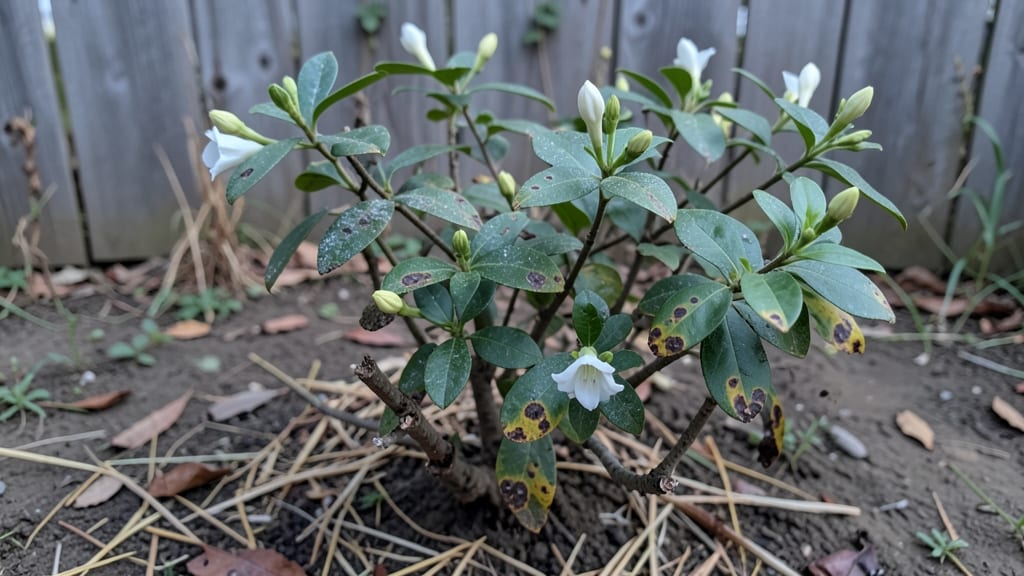
Night blooming jasmine diseases strike fast, but spotting them early saves your plant. 🌿 I’ve seen powdery white fuzz, blackened stems, and sudden leaf drop—all red flags that mean action time. The key is knowing what to look for before the flowers fade for good.
Fungal infections like powdery mildew or root rot show up as splotchy leaves or mushy stems, while bacterial issues cause oozing cankers that smell foul. Pests like scale or spider mites leave sticky residue or tiny webs.
Most problems start with too much moisture, poor airflow, or weak plants from stress.
You’ll fix it with quick fixes: prune infected parts immediately, spray neem oil for pests, and improve drainage. A 30-second check every week—flip leaves, wiggle stems—catches trouble before it spreads. Healthy jasmine thrives with fragrance and blooms all night long.
Works for both container plants and in-ground vines, and the same rules apply whether you’re in Zone 7 or Zone 10. Let’s get those plants back to their fragrant best before summer’s over.
Why it happens
Night blooming jasmine (Cestrum nocturnum) is a resilient plant, but when it falls victim to diseases, the culprits are often rooted in environmental stress, biological invaders, or cultural mismanagement. Understanding why these issues arise is the first step to preventing them.
Below, we break down the key triggers—from invisible pathogens to overlooked care habits—that turn your fragrant nighttime blooms into a battleground.
🌱 Fungal Pathogens Love Moisture and Crowding
Fungal diseases like powdery mildew and root rot thrive when night blooming jasmine is subjected to excessive humidity, poor air circulation, or overly wet soil. Here’s how it happens:
- High humidity: Night blooming jasmine’s thick, waxy leaves trap moisture, creating the perfect breeding ground for fungal spores. In tropical or greenhouse settings, humidity levels above 60-70% signal danger. 🌡️ Pro tip: Use a hygrometer to monitor levels—aim for 40-60% during the day and slightly higher at night (but never stagnant).
- Overwatering: This succulent-like plant stores water in its stems and roots. When soil stays soggy for more than 3-5 days, beneficial microbes suffocate, and Phytophthora or Pythium fungi take over, causing root rot. Check soil moisture by sticking your finger 2 inches deep—water only if it’s bone-dry.
- Poor airflow: Dense foliage or planting too close to walls/fences blocks air movement. Stagnant air = fungal spores hitchhike on leaves and stems unchecked. Solution: Prune to open the canopy and space plants 3-5 feet apart.
🦠 Bacterial Infections Strike When Wounds Are Open
Bacterial diseases (e.g., bacterial leaf spot or soft rot) exploit physical damage to your jasmine. Here’s how they sneak in:
- Pruning wounds: Jagged cuts or dirty tools introduce Xanthomonas or Pseudomonas bacteria into the plant’s vascular system. Always sterilize shears with 70% isopropyl alcohol or a 10% bleach solution before pruning. Make cuts at a 45-degree angle just above a leaf node to promote faster healing.
- Insect damage: Sap-sucking pests like whiteflies or aphids create entry points for bacteria. Their sticky honeydew also feeds sooty mold, compounding the problem. Inspect leaves weekly and blast off pests with a strong stream of water or use neem oil as a preventive spray.
- Extreme temperatures: Sudden heatwaves or cold snaps (below 50°F or above 95°F) weaken the plant’s defenses. Hardening off young plants gradually and providing light shade during peak summer can reduce stress-related bacterial invasions.
🐜 Pests Target Stressed or Nutrient-Deficient Plants
While pests aren’t technically diseases, their feeding weakens jasmine, making it more susceptible to infections. Common culprits include:
- Nitrogen deficiency: Yellowing leaves and stunted growth signal low nitrogen, which attracts aphids and spider mites. These pests inject toxins while feeding, leading to secondary fungal infections like Botrytis. Fix it: Apply a balanced fertilizer (10-10-10) in spring and compost tea monthly for a slow-release boost.
- Water stress: Both underwatering (drought stress) and overwatering (root stress) invite pests like mealybugs and scale insects. These pests thrive on sap-rich, weakened tissue. Solution: Water deeply but infrequently, and mulch with wood chips to retain moisture without soggy soil.
- Environmental neglect: Dusty leaves or compacted soil reduce the plant’s ability to photosynthesize, making it a magnet for thrips and whiteflies. Prevent it: Wipe leaves with a damp cloth every 2 weeks and aerate soil annually with a garden fork.
🌡️ Environmental Factors Create the Perfect Storm
Night blooming jasmine’s native range (tropical Americas) means it’s adapted to warmth and indirect light. Deviate too far from these conditions, and diseases move in:
| Factor | How It Triggers Disease | Actionable Fix |
|---|---|---|
| Low light | Weak, etiolated growth becomes susceptible to powdery mildew and bacterial leaf spot. | Place in bright, indirect light (e.g., east or west-facing windows) or supplement with grow lights for 12-14 hours/day. |
| Temperature swings | Cold drafts (below 55°F) stunt growth, while heat stress (above 90°F) opens stomata, inviting fungal spores. | Keep indoors or in a microclimate (e.g., near a south-facing wall) and avoid AC vents or fans. |
| Soil pH imbalances | Acidic soil (pH < 6.0) promotes Phytophthora root rot, while alkaline soil (pH > 7.5) locks out nutrients, stressing the plant. | Test soil and amend with sulfur (to lower pH) or lime (to raise pH) to maintain 6.0-7.0. |
How to solve it
When your night blooming jasmine (Cestrum nocturnum) starts showing signs of distress—yellowing leaves, black spots, or wilted stems—acting fast is key. Below are targeted solutions for the most common issues, paired with prevention tips to keep your plant thriving. 🌿💥
🍄 Fungal Infections (Powdery Mildew, Leaf Spot, Root Rot)
Fungal diseases thrive in damp, poorly ventilated conditions, so the first step is improving airflow and reducing moisture.
- 🔥 Prune affected foliage immediately—Cut off yellow, brown, or spotted leaves with sterilized scissors (dip in 70% rubbing alcohol or hydrogen peroxide). Dispose of them in the trash not the compost.
- 🍳 Apply fungicide—Use a copper-based or neem oil spray (1 tsp neem oil + 1 quart water + a drop of dish soap as an emulsifier). Spray both sides of leaves and stems every 7–10 days until symptoms fade.
- 👨🍳 Boost airflow—Space plants 3–4 feet apart, or trim nearby shrubs/trees blocking sunlight. If growing in containers, ensure pots have drainage holes.
- 🌡️ Adjust watering habits—Water only at the base in the morning, avoiding overhead sprinkling. Let the top 1–2 inches of soil dry out between waterings.
💡 Prevention tip: Mulch with gravel or pine straw (not organic mulch) to deter soil-borne fungi. Reapply fungicide prophylactically every 4–6 weeks during humid seasons.
🦠 Bacterial Infections (Blight, Canker, Soft Rot)
Bacteria spread through wounds or contaminated tools, so sterilization and wound care are critical.
- 🔪 Remove infected parts—Snip off blackened stems or leaves 1 inch below the damage. Sterilize pruners with bleach (1 part bleach to 10 parts water) between cuts.
- 🥘 Disinfect the plant—Wipe leaves with a cloth dampened in 1% hydrogen peroxide solution (1 part 3% H₂O₂ to 2 parts water). Repeat weekly for 2 weeks.
- 👨🍳 Use copper soap—Spray with a bactericide like Copper Fungicide (follow label rates). Reapply every 10–14 days until symptoms disappear.
- ⏰ Avoid overhead watering—Water at the soil level to prevent bacterial splashing onto leaves.
💡 Prevention tip: Rotate pruning tools between plants to avoid cross-contamination. If bacterial blight recurs, consider removing the plant entirely to prevent spread.
🐜 Pest Infestations (Aphids, Spider Mites, Mealybugs)
Pests weaken jasmine by sucking sap, making plants vulnerable to secondary infections. Act fast with physical removal and natural predators.
- 🔥 Blast pests off—Spray plants with a strong stream of water to dislodge aphids or mealybugs. Repeat daily for 3–5 days.
- 🍳 Apply insecticidal soap—Mix 2 tbsp mild liquid soap (like Castile) with 1 quart water. Spray directly on pests (avoid beneficial insects). Reapply every 5–7 days.
- 🌿 Introduce predator bugs—Release ladybugs or lacewings (available at garden centers) to eat aphids naturally.
- 🎯 Isolate heavily infested plants—Move them away from healthy jasmine until pests are gone.
💡 Prevention tip: Wipe leaves monthly with neem oil (1 tsp/quart water) to deter pests. Encourage native pollinators like bees and butterflies—they help control pest populations.
🌞 Environmental Stress (Sun Scorch, Overwatering, Nutrient Deficiency)
Sometimes the "disease" is just your jasmine crying out for better care. Fix these common stressors:
- 🌡️ Adjust sunlight—Night blooming jasmine prefers partial shade (4–6 hours of sun). If leaves scorch, move it to a spot with dappled light or use a sheer curtain.
- 💧 Fix watering—These plants hate soggy roots! Water only when the top 2 inches of soil are dry. Containers may need daily checks in summer.
- 🥗 Fertilize lightly—Use a balanced 10-10-10 fertilizer (½ tsp per gallon of water) every 6–8 weeks in spring/summer. Avoid high-nitrogen fertilizers, which cause leaf burn.
- ✨ Check for root bound—If growth stalls, repot into a container 2 inches larger with fresh, well-draining soil.
💡 Prevention tip: Mulch with coarse sand or perlite to improve drainage. If growing in pots, ensure they have multiple drainage holes.
Most night blooming jasmine issues resolve within 2–4 weeks with consistent care. Monitor your plant closely, and don’t hesitate to remove severely infected sections—it’s better than losing the whole plant! 🌟
Frequently asked questions
How do I tell if my night blooming jasmine has a fungal infection vs. a pest problem?
Check for fuzzy white patches on leaves or stems—those are fungal (like powdery mildew). If you spot tiny webs, sticky residue, or holes in leaves, it’s likely pests like spider mites or aphids. Fungal issues often thrive in damp conditions, while pests usually target stressed plants. Inspect both sides of leaves and examine stems closely for early signs.
Can I save my night blooming jasmine if it’s already infected?
Yes! Early action is key—prune infected parts immediately with sterilized shears and adjust care habits like watering and airflow. For fungal issues, use a neem oil spray every 7-10 days until symptoms fade. If pests are the problem, blast them off with water or apply insecticidal soap. Most plants recover within 2-4 weeks with consistent treatment.
Why does my night blooming jasmine keep getting black spots on the leaves?
Black spots often signal bacterial leaf spot or anthracnose fungus, both worsened by overhead watering or poor airflow. Water at the base in the morning and space plants 3-4 feet apart to improve circulation. Remove infected leaves and apply a copper-based fungicide for fungal issues or hydrogen peroxide spray for bacterial problems.
Is it safe to use chemical pesticides on night blooming jasmine?
Use caution—chemicals can harm the plant’s natural defenses. Opt for neem oil or insecticidal soap first, as they’re gentler and effective against most pests. If severe infestations persist, choose organic-approved pesticides like spinosad. Always test a small area first and avoid spraying on hot, sunny days.
How can I prevent diseases in my night blooming jasmine long-term?
Focus on preventive care: water deeply but infrequently, ensure 60% humidity or less, and prune for airflow. Apply neem oil monthly as a deterrent, and fertilize lightly with a balanced 10-10-10 fertilizer in spring. Healthy plants resist pests and diseases better! Regularly inspect leaves and stems for early warning signs.