
Blooming
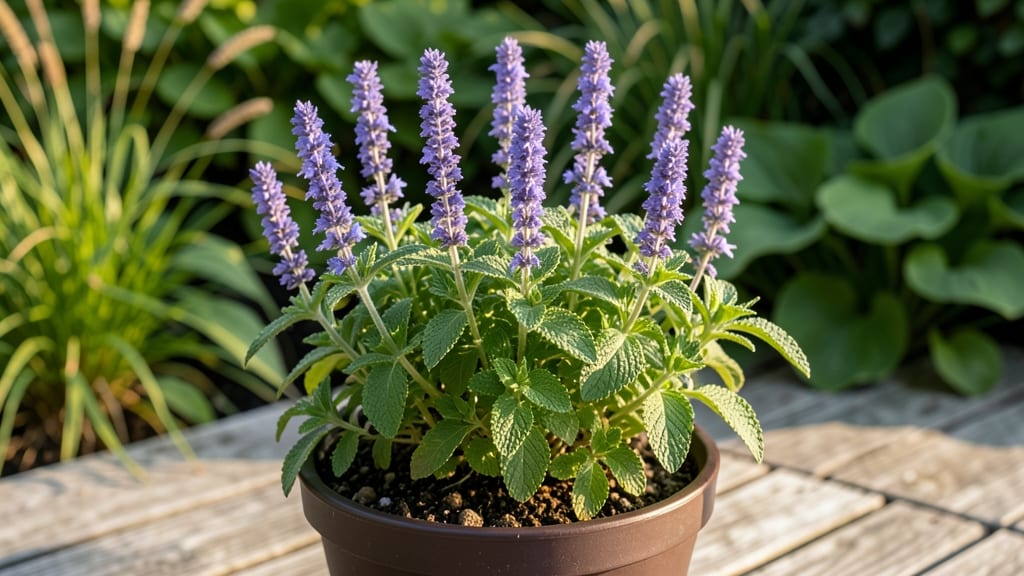
Catmint’s lavender-purple blooms arrive with clockwork precision during the bloom time—late spring to early fall—but the real magic happens when you prune to stretch those spikes into September sunshine. 🌿 I’ve watched ‘Walker’s Low’ and ‘Blue Spire’ transform from modest spring bloomers into summer-long showstoppers with just a few strategic cuts, and the secret isn’t complicated.
The key is timing: pinch back one-third of the stems right after the first flush of flowers, then trim again after each major bloom wave. This fools the plant into thinking it’s early spring, sparking fresh growth and 4-6 more weeks of color.
Too much sunlight? No problem—catmint thrives in full sun to partial shade, but the blooms stay denser with 6+ hours of direct light daily.
What you’ll end up with is a bush so lush it looks like a purple cloud instead of a single-season show. The fragrance lingers longer too, and you’ll be the only one with blooms when neighbors’ flowers fade.
Just avoid heavy pruning after mid-summer—that’s when the plant needs to rest for next year.
Works in zones 3-9, though southern gardeners may get fall reblooms with minimal pruning. Here’s how to keep those spikes coming all season long.
📚 In This Guide
- What you need
- Instructions
- Tips and common mistakes
- Wrapping up and next steps
What you need
- ● Pruning shears or bypass pruners: Sharp, clean, and sanitized (7-inch blades work best for thick stems). Pro tip: Disinfect with rubbing alcohol before and after use! 🧴
- ○ Gloves: Heavy-duty gardening gloves (optional but recommended—catmint can be prickly!).
- ● Watering can or hose: For post-pruning hydration.
- ● Compost or slow-release fertilizer: 10-10-10 or organic options like fish emulsion (follow package rates).
- ○ Mulch (optional but helpful): 2–3 inches of shredded bark or straw to retain moisture.
- ● Mature catmint plants: Established for at least 1–2 years (young plants may need extra care).
- ● Sunny location: Full sun (6+ hours/day) for optimal blooming.
- ● Well-draining soil: Amend heavy clay with perlite or sand if needed.
- ● Patience: Catmint blooms best when pruned after the first flush of flowers (usually late spring/early summer).
- ● Flower food or seaweed extract: Boosts post-pruning recovery.
- ● Deadheading scissors: For quick touch-ups between pruning sessions.
- ● Garden journal: Track bloom cycles and pruning dates for future reference! 📖
Step-by-Step pruning guide for extended catmint bloom time
Here's how I keep catmint's purple spikes blooming nonstop—no fancy tools, just sharp timing and a few cuts.
✂️ Step 1: First Cut After Initial Blooms Fade
Wait until 20-30% of the first flush of flowers have faded to their pale lavender color—this signals the plant is ready for its first trim. I use clean, sharp bypass pruners to cut back one-third of the plant's height, just above a set of healthy leaves or new growth buds. This encourages the plant to branch out and produce more flowering stems.
Don't cut into woody stems—you'll see them as thicker, brownish sections. Focus on the green, leafy growth only. The reason we wait until some flowers fade is that catmint sets seed slowly, and removing too many blooms at once can signal the plant to go dormant prematurely. This first cut is the most critical—it sets the stage for continuous flowering.
🌿 Step 2: Light Pinch Backs During Peak Growth
About 4-6 weeks after the first cut, when you notice fresh growth pushing from the base and new flower spikes starting to form, it's time for a light pinch. Using your fingers or small pruners, snip off the top 2-3 inches of each new stem right above a leaf node. This prevents the plant from getting leggy and encourages bushier growth with more flower spikes.
Here's the thing—catmint grows fast, and if you skip this step, you'll end up with tall, sparse stems that flop over. I do this on a dry morning when the plant is at its most rigid, making clean cuts easier. Watch for new side shoots to emerge within 7-10 days—that's your signal everything is working.
⏰ Step 3: Deadhead and Shape for Continuous Blooms
Every 2-3 weeks throughout the growing season, deadhead spent blooms by snipping off the entire flower spike down to the first set of healthy leaves. This prevents the plant from wasting energy on seed production and redirects it toward new flower growth. I use this time to also shape the plant—remove any stems that are crossing or growing inward to improve airflow and prevent fungal issues.
Don't overdo it—if you cut back more than one-third of the plant's height at any single time, you risk shocking it into dormancy. The key is consistency: a little maintenance every few weeks keeps catmint blooming from early summer until the first frost. You'll see new flower spikes emerging from the base within 10-14 days after each deadheading session.
☀️ Step 4: Late-Season Renewal Cut
When temperatures start dropping below 55°F at night in late summer, give catmint one final trim. Cut back half of the oldest stems (the ones that flowered earliest in the season) to encourage a fresh flush of growth. This is your insurance policy for extending blooms into fall. Remove any leggy or woody stems that aren't producing new growth.
This late-season cut is gentler than the first—think of it as a rejuvenation rather than a hard reset. Water the plant deeply after pruning to help it recover. In my zone 6 garden, this final cut often produces a second wave of blooms that lasts until hard frost. The plant will look a bit ragged after cutting, but trust the process—new growth will emerge within 2 weeks if conditions are right.
Tips & tricks for perfect catmint bloom time
Here's what nobody tells you about keeping catmint flowering like clockwork—these small details make all the difference between a summer of sparse blooms and a garden bursting with purple.
Timing is Everything: The key to continuous blooms lies in patient observation. In Step 1, don't rush to cut back when flowers first appear—wait until that 20-30% fade threshold. I learned this the hard way after seeing catmint go dormant too soon. The plant needs to establish its energy reserves before we start pruning aggressively. Think of it like giving your plant a spa day before the workout—it needs that initial bloom cycle to build strength.
Tool Selection Matters: While instructions mention bypass pruners, I've found that clean, sharp scissors work just as well for the light pinch backs in Step 2. The critical factor is always keeping your tools sanitized—dip them in rubbing alcohol between cuts to prevent disease transmission. I keep a small bottle of 70% isopropyl alcohol in my gardening toolkit specifically for this purpose. You'll notice the difference in plant health immediately.
Seasonal Temperature Awareness: The 55°F nighttime temperature threshold in Step 4 is crucial for timing your final cut. In my zone 6 garden, I start monitoring nightly temperatures in early August. If you're in a warmer climate, you might need to wait until September. The plant's response to temperature changes is its way of telling you when it's ready for that final push of growth. I always check the weather forecast for a week ahead before making this cut—consistent cool nights are your green light.
Visual Cues for Pruning: When shaping in Step 3, look for the "V" shape where leaves meet the stem—this is your perfect cutting point. The plant will naturally grow in these angles, so cutting at leaf nodes encourages new growth in the same pattern. I've trained myself to spot these growth points by examining the plant from different angles in natural light. This simple visual trick has saved me from making uneven cuts that disrupt the plant's natural form.
Pro Tips for Catmint Bloom Time
- Here's what nobody tells you about keeping catmint flowering like clockwork—these small details make all the difference between a summer of sparse blooms and a garden bursting with purple.
- Timing is Everything: The key to continuous blooms lies in patient observation.
- Tool Selection Matters: While instructions mention bypass pruners, I've found that clean, sharp scissors work just as well for the light pinch backs in Step 2.
Frequently asked questions
When does catmint typically bloom?
Catmint usually bursts into color from mid-to-late spring (May–June in most U.S. zones 3–9), with blooms lasting until early fall. Early varieties like Walker’s Low may bloom slightly sooner, while late-season types can extend the show into September or October with the right care.
How can I make catmint rebloom after the first flush?
Deadhead spent spikes regularly (every 2–3 weeks) to encourage new growth. Lightly prune back 1/3 of the plant after the first bloom to promote a second flush. Water consistently but avoid overwatering—catmint thrives on drought once established.
Will catmint bloom in shady spots?
While catmint loves full sun (6+ hours/day), it can still bloom in partial shade (4–6 hours), though flowers may be sparser. For lush spikes, prioritize sunny locations. Morning sun + afternoon shade works best in hot climates.
Why aren’t my catmint flowers opening?
Bud blast? Check these fixes:
- Underwatering: Catmint tolerates drought, but wilting buds need a deep drink.
- Over-fertilizing: Too much nitrogen = leafy growth, fewer blooms. Use low-phosphorus fertilizer (5-10-5 ratio) or none at all.
- Pests: Spider mites or aphids can stress plants. Spray with neem oil if you spot sticky residue.
What’s a great catmint alternative for longer blooms?
If you want non-stop color, try:
- Lavender (drought-tolerant, fragrant, but shorter bloom time)
- Russian sage (long blooms, silvery foliage, thrives in poor soil)
- Salvia nemorosa (heat-loving, repeat bloomer with striking spikes)
Wrapping up and next steps
Catmint’s vibrant purple blooms are a garden highlight, and with the right pruning tricks, you can enjoy their beauty all summer long! 🌿 By understanding when and how to prune, you’ll encourage lush regrowth and prevent leggy stems.
Whether you’re a seasoned gardener or just starting, these techniques make it easy to keep your catmint thriving.
Ready to give your catmint the care it deserves? Grab your shears and start pruning today! Your garden—and your pollinators—will thank you. 🐝✨