
Blooming
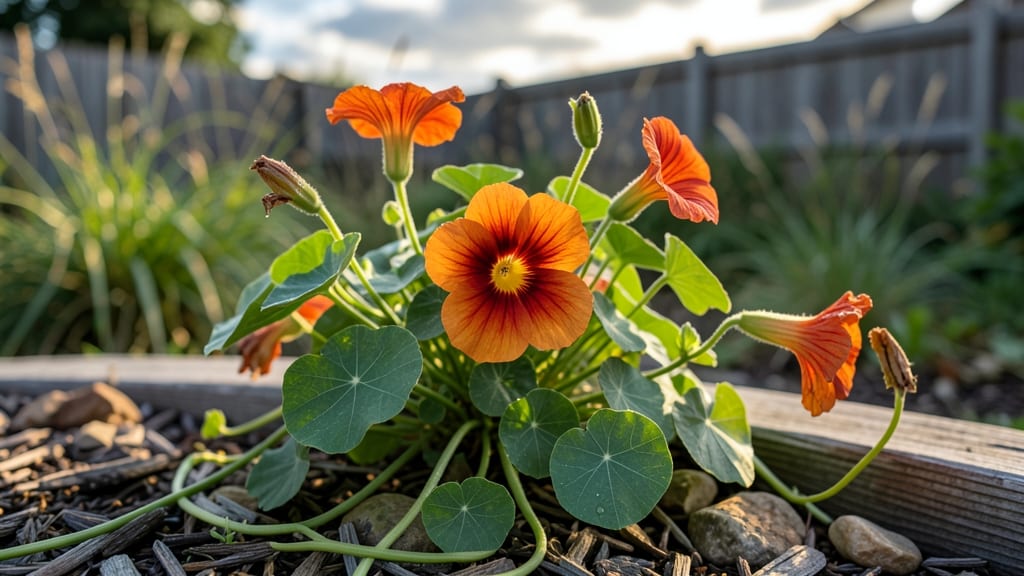
Nasturtiums bloom when the heat arrives, typically between June and October in most climates, but the exact timing depends on your USDA zone and variety.
If you’ve ever planted nasturtiums hoping for vibrant blooms only to be met with disappointingly sparse flowers, you’re not alone—timing is everything.
These heat-loving annuals follow strict seasonal cues, and knowing their exact bloom windows by USDA zone can mean the difference between a stunning garden display and a patchy disappointment.
In cooler zones like 6a, nasturtiums 🌸 often wait until late June or early July to burst into color, while warmer regions see blooms as early as May. The key? Planting after your last frost (March–April in most areas) and choosing heat-triggered varieties that thrive in your climate.
Below, I’ll break down the exact months nasturtiums bloom by zone, share the fastest-blooming varieties, and reveal simple tricks to extend their season—so you can enjoy those bright, edible flowers from early summer right up to frost.
When do nasturtiums bloom? Exact months by USDA hardiness zone
Nasturtiums are heat-loving annuals that bloom based on temperature cues, not just calendar dates. Unlike perennials, they follow a strict seasonal rhythm tied to your USDA hardiness zone and local climate patterns.
Coastal areas may see earlier blooms than inland zones due to milder winters, while high-desert regions often bloom later when soils warm. Understanding these patterns lets you time plantings for continuous color from early summer through frost.
Most nasturtium varieties need consistent daytime temps above 60°F (15°C) to trigger flowering. In cooler zones, wait until after your last frost date to plant seeds directly in soil—transplanting seedlings stresses them and delays blooms.
Meanwhile, in warmer zones, you can start seeds indoors 4-6 weeks before last frost to jumpstart growth. The key is matching your variety’s temperature preferences with your local frost-free window.
Regional variations matter more than you might think. For example, Pacific Northwest gardens in Zone 8 may see nasturtiums blooming as early as May, while similar zones in the Midwest might not hit peak bloom until June due to cooler spring soils. Even within the same zone, microclimates like urban heat islands or sheltered garden spots can shift bloom times by 2-4 weeks.
Coastal vs. inland differences are dramatic. Coastal Zone 9 gardens often enjoy year-round blooms with minimal winter dieback, while inland Zone 9 areas might see a 3-month bloom window from June to September. This is why selecting the right nasturtium variety for your specific climate zone is critical—some thrive in heat, others prefer cooler summers.
Temperature triggers are the real secret to nasturtium blooms. These plants use day-length cues combined with soil warmth to initiate flowering. In Zones 3-5, wait until soil temps reach 55°F (13°C) before planting, while Zones 7-11 can start seeds as early as February for extended displays. The warmer your zone, the longer your bloom season will stretch—some tropical varieties continue flowering until first frost.
| USDA Zone | Typical Bloom Window | Coastal Adjustment | Inland Adjustment | Best Varieties |
|---|---|---|---|---|
| Zones 3-4 | Late June - Early September | +2 weeks earlier | -2 weeks later | 'Alaska', 'Dwarf Jewel Mix' |
| Zones 5-6 | Mid-May - October | +3 weeks earlier | -3 weeks later | 'Empress of India', 'Peach Melba' |
| Zones 7-8 | April - November | Year-round with protection | June - October | 'Jewel Mix', 'Black Velvet' |
| Zones 9-10 | February - December | Continuous blooms | March - November | 'Alaska', 'Salmon Queen' |
| Zone 11 | Year-round (with water) | No seasonal change | Year-round | 'Empress of India', 'Alaska' |
Adjusting your planting dates based on zone and microclimate is the easiest way to extend bloom time. In Zones 3-5, start seeds indoors 6-8 weeks before last frost to get a head start, while Zones 7-11 gardeners can make successive plantings every 2-3 weeks for continuous color.
For example, in Zone 9, planting seeds in February, May, and August creates a 10-month bloom cycle—something that would fail in cooler zones.
Don’t overlook soil temperature as a limiting factor. Nasturtium seeds won’t germinate below 50°F (10°C), and cooler soils delay both sprouting and flowering. Use a soil thermometer to monitor temps—if your garden soil runs cold, consider using black plastic mulch to warm it faster.
This simple trick can shift bloom times by 3-4 weeks in marginal zones like Zone 6.
For coastal gardeners, embrace the mild winters by choosing heat-tolerant varieties like 'Empress of India' that thrive in 90°F+ temperatures. These varieties often bloom earlier and longer than traditional types, giving you extra months of color.
In contrast, inland gardeners should focus on cool-season varieties like 'Alaska' that handle temperature swings better and produce blooms even when daytime highs dip below 75°F (24°C).
One common mistake is planting too early in cool zones, which leads to stunted growth and poor flowering. Instead, wait until
Heat-triggered nasturtium varieties: fastest-blooming types for your climate
Not all nasturtiums bloom at the same pace—some varieties race to flower in just 45 days while others take twice as long. The key lies in their heat tolerance and temperature triggers.
If you live in USDA zones 7-10, you’ll want varieties that thrive in 90°F+ temperatures, while cooler zones (3-6) need early-blooming types like 'Alaska' that handle 50°F nights. Choosing the right variety can extend your bloom season by 2-3 months.
For year-round color, pair fast-blooming nasturtiums with late-season performers. For example, plant 'Empress of India' (a heat-loving giant) alongside 'Dwarf Jewel Mix' for a staggered display.
The secret? Match varieties to your last frost date—plant heat-lovers after Memorial Day in northern climates, but as early as March in southern zones.
If you’re in USDA zone 7 or warmer, prioritize 'Empress of India'—its giant 4-inch blooms thrive in summer heat and keep producing until frost. For cooler climates (zones 3-5), 'Alaska' is your best bet; it blooms earlier than most and handles 50°F nights without skipping a beat.
Pro tip: Mix fast bloomers with late-season types to create a nonstop color show.
Color matters too! 'Black Velvet' adds drama with its deep burgundy blooms, while 'Peach Melba' offers a soft, romantic touch. For edible gardens, 'Jewel Mix' delivers peppery leaves and flowers in vibrant hues.
Always check your local frost dates—plant heat-lovers after May 15 in northern zones to avoid false starts.
To maximize blooms, deadhead spent flowers and prune leggy stems to encourage bushier growth. In hot climates, provide afternoon shade to prevent bolting. With the right mix of varieties, you can enjoy nasturtium blooms from early June to hard frost—or even later with season extenders like row covers.
My top pick for most gardens? 'Dwarf Jewel Mix'—it’s fast, colorful, and compact, perfect for containers, hanging baskets, or borders. Plant it 2 weeks before last frost for early blooms, then follow up with 'Empress of India' for summer-long drama.
With this strategy, your nasturtiums will outperform expectations and keep your garden buzzing with bees and butterflies all season. 🌸