
Blooming
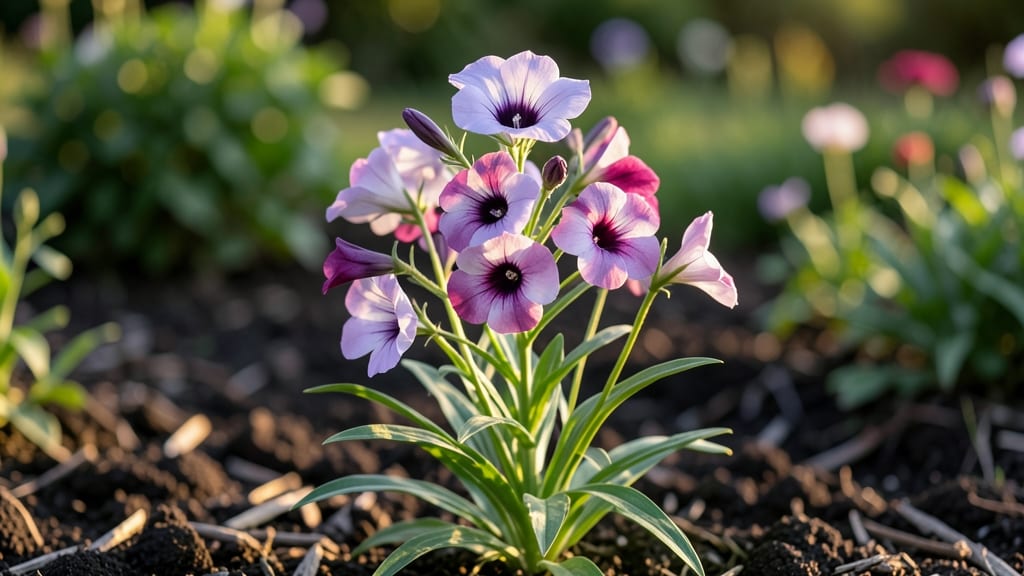
Lisianthus blooms typically stretch from June to October, but the exact timing depends on your variety and climate—getting it right means months of stunning 🌸 color in your garden.
If you’ve ever planted lisianthus only to see it bolt before flowering or fade too soon, you’re not alone. The key lies in matching your variety to your zone and planting window, because a late-March start in Zone 6a won’t yield the same results as a May transplant in Texas.
This guide breaks down which varieties bloom earliest (like 'Twinkle Twinkle' in June) and which drag out until frost (like 'Blue Picotee' in October), plus how sunlight, water, and deadheading can extend your blooms by weeks.
You’ll learn the exact months to expect color, how to push your lisianthus into a second flush, and which varieties thrive in heat—so you can plan a garden that stays vibrant from summer through fall.
Lisianthus bloom time by variety: month-by-month guide for gardeners
Lisianthus, also known as Eustoma grandiflorum, is a garden favorite for its delicate, long-lasting blooms that resemble roses or hibiscus. But not all varieties bloom at the same time—some burst into color in early summer, while others shine in late fall.
Understanding these month-by-month bloom windows helps you plan your garden for continuous color and avoid disappointment when your lisianthus fails to flower on schedule.
In this guide, I’ll break down the exact bloom periods for popular lisianthus varieties, including 'Twinkle Twinkle', 'Blue Picotee', and 'Purple Picotee'. I’ll also share how climate zones and planting times can shift these timelines, so you can adjust your expectations and care routine accordingly.
Whether you’re a beginner or a seasoned gardener, this month-by-month breakdown will help you maximize your lisianthus blooms.
🌸
| Variety | Bloom Time | Climate Notes | Best For |
|---|---|---|---|
| 'Twinkle Twinkle' | June–August | Early bloomer; thrives in USDA Zones 7-10. Prefers cooler summers. | Early summer color, cut flowers |
| 'Blue Picotee' | July–September | Mid-season bloomer; heat-tolerant up to 90°F. Ideal for Zones 8-11. | Long-lasting containers, bouquets |
| 'Purple Picotee' | August–October | Late-season performer; frost-sensitive. Best in Zones 9-11. | Fall gardens, extended bloom seasons |
| 'Pink Picotee' | July–September | Mid-season; drought-tolerant once established. Great for Zones 6-10. | Dry climates, low-maintenance gardens |
| 'White Picotee' | June–September | Early to mid-season; shade-tolerant. Thrives in Zones 7-9. | Partial shade gardens, wedding bouquets |
If you’re planting lisianthus in USDA Zone 6 or cooler, expect blooms to start 2-4 weeks later due to shorter growing seasons. For example, 'Twinkle Twinkle' might not bloom until late July instead of June.
Conversely, in Zones 10-11, lisianthus can flower year-round with minimal dormancy, especially if you provide light shade during peak summer heat.
For early bloomers like 'Twinkle Twinkle', start seeds indoors 10-12 weeks before your last frost date to ensure they’re ready to flower by June. In warmer climates, you can even direct-sow seeds in late winter for a head start.
Meanwhile, late-season varieties like 'Purple Picotee' benefit from late spring planting (around May 1) to avoid early fall frosts that can damage delicate blooms.
🌿
One of the biggest mistakes gardeners make is assuming all lisianthus varieties bloom at the same time. 'Blue Picotee', for instance, peaks in August and September, while 'White Picotee' fades by early fall.
To create a non-stop bloom garden, I recommend planting a mix of early, mid, and late-season varieties. For example, pair 'Twinkle Twinkle' (June–August) with 'Purple Picotee' (August–October) to ensure color from June through October.
Climate also plays a critical role in bloom timing. In humid southern states, lisianthus may struggle to bloom in peak summer heat (above 90°F) unless you provide afternoon shade and consistent watering.
In drier western regions, mulching around the base of plants helps retain moisture, which can extend bloom duration by 2-3 weeks. Always monitor your plants for signs of stress or wilting, as these can delay or reduce flowering.
💧
To maximize bloom time, focus on three key care strategies: deadheading, balanced fertilization, and proper sunlight exposure. Remove spent blooms weekly to encourage new flowers, and fertilize every 4-6 weeks with a 5-10-10 NPK blend during the growing season. Avoid over-fer
How to extend lisianthus bloom time: pro tips for longer flowers
Lisianthus thrives when you give it the right care, and one of my favorite secrets is how to stretch those stunning blooms for weeks longer.
With just a few adjustments to your watering routine, sunlight exposure, and deadheading habits, you can transform a single burst of color into a continuous garden showstopper. The key lies in understanding what lisianthus needs at each growth stage.
First, let's tackle the most common mistake I see: inconsistent watering. Lisianthus loves consistent moisture but hates soggy roots. The goal is to keep the soil evenly damp without letting it dry out completely.
I water mine at the base of the plant in the morning, which prevents fungal issues and encourages stronger stems that support more blooms. A simple drip irrigation system works wonders if you're dealing with multiple plants.
Now, let's talk sunlight - this is where many gardeners unintentionally cut their bloom time short. While lisianthus can handle partial shade, it truly shines (literally) when given 6-8 hours of full sun daily.
If you're in a hot climate, provide afternoon shade to prevent wilting. I've found that plants in containers actually handle heat better because you can move them to shadier spots when needed.
- Deadhead daily: Snip off spent blooms just above the next set of leaves to redirect energy to new flowers. This simple 2-minute task can extend your bloom season by 3-4 weeks.
- Feed lightly: Use a balanced 5-10-10 fertilizer every 4-6 weeks during growing season. Too much nitrogen = lush leaves, fewer blooms. I swear by a half-strength solution for maximum flowers.
- Choose heat-tolerant varieties: 'Twinkle Twinkle' and 'Purple Picotee' handle 90°F+ temperatures better than classic types. These stay blooming through late September in my Zone 8 garden.
- Mulch properly: Apply 2-3 inches of mulch to retain moisture and regulate soil temperature. I use shredded bark which breaks down slowly and adds organic matter.
- Prune strategically: Cut back leggy stems by 1/3 in early summer to encourage bushier growth. This triggers a second flush of blooms that often lasts until frost.
Don't overlook the power of soil preparation either. Lisianthus performs best in well-draining soil with a pH between 6.0-6.5. Before planting, I always mix in compost and perlite to create the perfect airy environment.
For container growing, use a blend of potting mix and coconut coir for that ideal balance. The better the soil, the longer your plants will bloom.
For those cool-season gardeners, consider planting heat-tolerant varieties like 'Blue Picotee' which thrives when others fade. I've had mine bloom continuously from June through October with proper care. The secret is selecting varieties that match your climate zone - don't fight nature, work with it!
Remember to space plants 12-18 inches apart for optimal air circulation, which prevents disease and keeps blooms coming.
Finally, let's talk about the often-overlooked factor of seasonal adjustments. In summer, increase watering frequency to every other day during heatwaves, while in fall, reduce to every 5-7 days as growth slows.
I always stop fertilizing by mid-August to let plants harden off for winter. These small tweaks make a world of difference in how long your lisianthus stays in bloom.