
Blooming
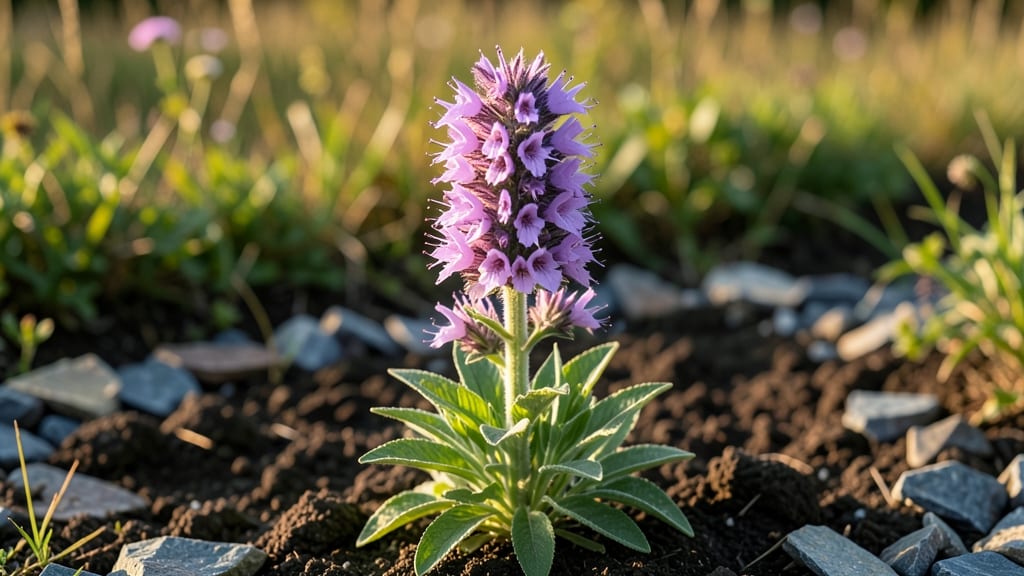
The monarda fistulosa bloom time in mid-to-late summer features striking purple flower spikes that can last for weeks, drawing in pollinators like hummingbirds and bees.
But if you’ve ever waited patiently for those iconic spikes to appear—only to find your plant sitting pretty with just leaves—you’re not alone. The timing depends on your USDA zone, sunlight, and even soil health, and a few small tweaks can shift your bloom window by weeks.
In cooler zones like 6a, expect blooms to kick off in early July, while gardeners in the South might see them as early as June. The key is planting in full sun and well-draining soil, then deadheading spent flowers to encourage more blooms.
Below, I’ll break down the exact months for your zone, how to extend the bloom period, and what to do if your Monarda fistulosa is playing hard to bloom.
Monarda fistulosa bloom time by USDA hardiness Zone: exact months for purple spikes
Monarda fistulosa (wild bergamot) rewards patient gardeners with stunning purple flower spikes that hummingbirds adore—but timing varies dramatically by USDA zone. In my Zone 5 garden, I’ve seen blooms start as early as late June and stretch into September, while my friend in Zone 9 enjoys flowers from May through October. The key? Understanding your zone’s average last frost date and microclimates.
Northern gardeners in Zones 3-4 often face shorter growing seasons, so their Monarda fistulosa may bloom 2-3 weeks later than southern counterparts. Meanwhile, Pacific Northwest zones (like Zone 7-8) can experience cooler, wetter springs, delaying first blooms until July.
Let’s break down the exact bloom windows by zone so you can plan your garden for maximum impact.
| USDA Zone | First Blooms | Peak Bloom | Last Blooms | Notes |
|---|---|---|---|---|
| 3-4 | Mid-July | Late July-August | Early September | Short season; plant in full sun for earlier blooms. |
| 5-6 | Late June | July-August | Mid-September | Classic Midwest timing; deadhead for 2nd flush. |
| 7-8 | Early June | June-July | October | Long bloom; Pacific Northwest may bloom later due to cool springs. |
| 9-10 | May | May-June | September | Early blooms; may rebloom after pruning. |
If you’re in Zones 3-4, your Monarda fistulosa will likely bloom 4-6 weeks later than in Zone 9. For example, my Zone 4 plants start flowering in mid-July, while my Zone 9 neighbor’s plants burst into bloom by early May.
The difference? Soil warmth and daylight hours trigger flowering, so southern zones get a head start.
Regional variations matter too. In the Pacific Northwest (e.g., Zone 7-8), cooler springs can delay blooms until July, even though the zone’s average first bloom is early June.
To counteract this, I’ve had success planting Monarda fistulosa near south-facing walls or using black plastic mulch to warm the soil faster.
For gardeners in Zones 5-6, the Midwest’s classic bloom window is late June through August, but you can push it earlier by planting container-grown plants in early spring (after last frost) instead of starting from seed.
Containers warm up faster and give your Monarda fistulosa a 2-3 week head start on flowering.
In Zones 9-10, the real advantage is extended blooming. My Zone 9 garden in Southern California produces flowers from May through September, with a second flush if I deadhead spent blooms.
The secret? Consistent moisture and pruning back by 1/3 after the first bloom wave to encourage new growth.
To adjust bloom timing, focus on these three levers: planting time, sun exposure, and soil temperature. For example, if you’re in Zone 5 and want earlier blooms, plant container-grown plants in late April (instead of waiting for May) and place them in the sunniest spot possible.
If you’re in Zone 8 and blooms arrive late, amend your soil with compost to improve drainage and warmth.
One common misconception is that Monarda fistulosa blooms only once per season. In reality, with proper deadheading and pruning, you can coax 2-3 bloom cycles in Zones 5-9.
In my Zone 6 garden, I deadhead spent blooms in late July and often see a second wave in September, just in time for fall hummingbirds migrating south.
Pro tip: If your Monarda fistulosa blooms are sparse or late, check your watering schedule. These plants
How to extend Monarda fistulosa bloom time: pruning, deadheading, and soil tips
Want your Monarda fistulosa to burst into purple spikes from July through September? The secret lies in strategic care. Deadheading spent blooms redirects energy to new flowers, while pruning at the right time prevents legginess.
Even soil amendments like composted manure or bone meal can boost nutrient levels for prolonged blooming. Let's dive into the techniques that'll keep your wild bergamot thriving.
Start with deadheading—this is your #1 tool for extending bloom time. Snip off faded flower heads just above the first set of leaves using clean bypass pruners. I do this every 2-3 weeks during peak bloom (July-August) to encourage new flower buds.
Avoid cutting into woody stems, as this can harm the plant. For short-season zones, begin deadheading as soon as the first blooms fade to maximize late-season color.
Pruning timing matters more than you think. Early summer pruning (June) focuses on removing leggy stems to encourage bushier growth. Late summer pruning (August-September) should be minimal—just tidy up any overgrown foliage that looks tired.
Never prune after the first frost, as new growth won't harden off before winter. I've found that light pruning in early fall can even stimulate a second flush of blooms in mild climates.
🌿 Monarda Fistulosa Bloom Extension Checklist
| Task | When | Why It Works |
|---|---|---|
| Deadhead spent blooms | Every 2-3 weeks (July-Sept) | Prevents seed production, encourages new flowers |
| Prune leggy stems | Early June & late August | Promotes bushier growth & late-season blooms |
| Add compost | Spring & early summer | Boosts soil nutrients for prolonged flowering |
| Water deeply | Morning (every 2-3 days in summer) | Encourages strong root development & vibrant blooms |
Don't overlook soil health—Monarda fistulosa thrives in well-draining soil with a pH of 6.0-7.0. Amend your soil with 2-3 inches of compost in early spring to provide essential nutrients like phosphorus and potassium.
I've had the best results using a balanced 10-10-10 fertilizer in early June and again in mid-July. For sandy soils, mix in peat moss to retain moisture, while clay soils benefit from perlite or vermiculite for better drainage.
Watering strategy plays a crucial role too. Deep watering in the morning (before 10 AM) prevents fungal diseases like powdery mildew. Aim for 1-2 inches of water per week during peak bloom, but reduce to weekly watering in fall.
I've noticed that drip irrigation keeps foliage dry and encourages stronger stems. Avoid overhead watering, especially in humid climates, as it can lead to leaf spot diseases that weaken the plant.
For short-season zones (like USDA zones 3-5), choose early-blooming varieties like 'Mohican' or 'Prairie Evening'. These cultivars often rebloom later in the season if given proper care. Pair your Monarda fistulosa with companion plants like coneflowers or black-eyed Susans to extend your pollinator-friendly display well into October.
With these techniques, you'll enjoy vibrant purple blooms that keep hummingbirds visiting long after your neighbors' gardens have faded.