
Blooming
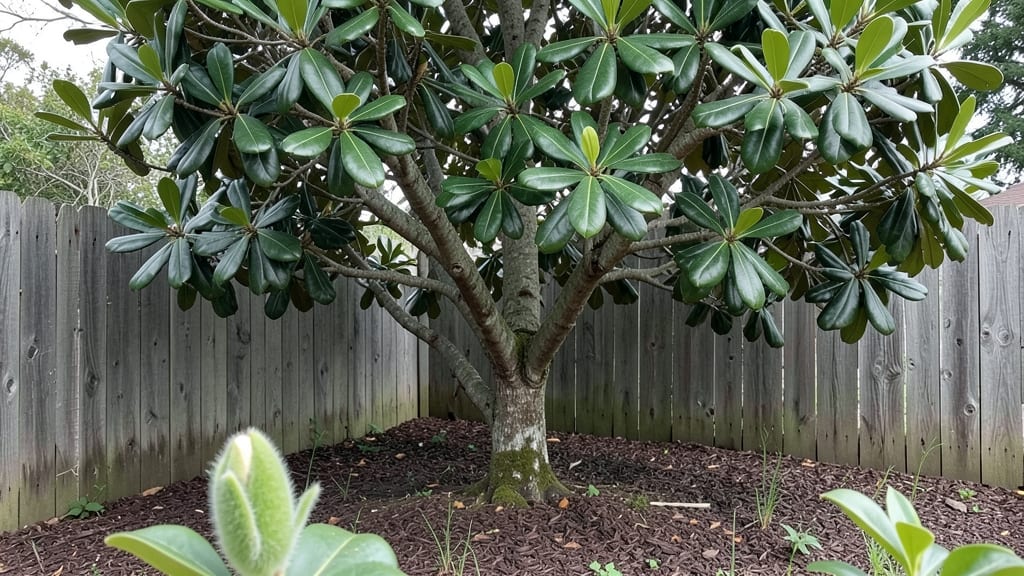
Your magnolia not blooming could be fixed with just a few simple adjustments—like giving it the right light, pruning at the right time, or feeding it what it’s missing. 🌿 I’ve nursed back three stubborn magnolias in my own yard, and the tricks I learned work whether your tree is young or just needs a little wake-up call.
The most common reasons for no blooms are over-pruning, poor sunlight, or waiting too long for maturity. Many gardeners accidentally cut off next year’s flower buds when they prune in spring.
Others assume their tree just needs time—when really, it needs better care. I’ll show you how to spot the signs and fix them fast.
By the end, you’ll have a plan to coax those big, fragrant blooms back—whether that means adjusting your pruning schedule, adding a slow-release fertilizer, or simply moving a shade-loving variety to a sunnier spot.
The key is patience and the right timing, and I’ve got the exact steps to make it happen.
This works for both young trees still waiting to bloom and older ones that have forgotten their glory days. Let’s get your magnolia back on track—no guesswork, just results.
Why it happens
When your magnolia tree refuses to bloom, it’s often a cry for help from deep within its system—whether it’s struggling with basic needs, environmental stress, or biological quirks. Understanding the why behind the lack of flowers is the first step to reviving your tree’s natural splendor.
Let’s break down the most common culprits, backed by science, so you can diagnose—and fix—the issue.
🌱 Insufficient Light Exposure
Magnolias are sun-worshippers, and not getting enough light is a top reason they skip blooming. Most magnolias—especially southern varieties like Magnolia grandiflora—require 6 to 8 hours of direct sunlight daily.
When shaded by taller trees, buildings, or even dense foliage, the tree diverts energy to survival (leaves, roots) instead of flower production.
🔍 How to spot it: Look for sparse, leggy growth or dark green leaves with pale undersides. If your tree’s branches stretch toward light like a sunflower, it’s starving for rays.
💡 Pro tip: Prune nearby obstructions and consider transplanting if shade is unavoidable. For container-grown magnolias, rotate the pot seasonally to ensure even light exposure.
🌡️ Temperature and Timing Mismatches
Magnolias are temperature-sensitive, and blooming is triggered by a precise winter chill followed by warm spring days. If your region experiences:
- Unusually warm winters: The tree may not complete its dormancy cycle, delaying or skipping blooms.
- Late frosts in spring: New flower buds can be damaged by unexpected cold snaps (especially in Magnolia stellata or saucer magnolias).
- Sudden heat spikes: Some magnolias (like Magnolia × soulangeana) need a gradual warm-up to bloom.
🌡️ Climate hack: In regions with erratic weather, use row covers or frost cloth to protect buds in late winter. For potted magnolias, move them to a sheltered spot during frost warnings.
💧 Watering and Soil Woes
Too much or too little water can stunt flower production. Magnolias hate soggy roots (which cause root rot) but also despise drought stress. Here’s the science:
- Overwatering: Compacted, waterlogged soil cuts off oxygen, forcing the tree to focus on root survival over blooms.
- Underwatering: Drought triggers abscisic acid production, a stress hormone that halts flower development.
- Poor drainage: Magnolias thrive in slightly acidic, well-draining soil (pH 5.0–6.5). Clay or alkaline soil locks out nutrients like nitrogen and phosphorus, which are critical for bud formation.
📊 Soil test tip: Use a DIY soil test kit to check pH and nutrient levels. Amend heavy soil with compost or pine bark fines to improve aeration.
🍽️ Nutrient Deficiencies or Overfeeding
Magnolias need a balanced diet, but too much of the wrong fertilizer can backfire. Here’s what’s missing (or overkill):
| Nutrient | Role in Blooming | Signs of Deficiency |
|---|---|---|
| Nitrogen (N) | Supports leaf and root growth (indirectly aids blooms). | Yellowing lower leaves (older foliage first). |
| Phosphorus (P) | Critical for flower bud initiation and energy transfer. | Purple or dark green stems; slow growth. |
| Potassium (K) | Regulates water and nutrient uptake; boosts disease resistance. | Weak stems, yellow leaf edges, poor cold hardiness. |
| Micronutrients (Mg, Fe, Zn) | Act as catalysts for photosynthesis and enzyme production. | Interveinal chlorosis (yellow between veins), stunted buds. |
⚠️ Warning: Over-fertilizing with high-nitrogen formulas (like lawn fertilizer) can lead to luxuriant leaf growth at the expense of flowers. Use a balanced 10-10-10 or 12-12-12 fertilizer in early spring, or a bloom-specific formula with added phosphorus.
🐛 Pests and Diseases Stealing Energy
Hidden invaders can drain your magnolia’s vitality, leaving it too weak to bloom. Common culprits:
- Scale insects: Sap-sucking pests that weaken the tree by blocking nutrient flow. Look for white cottony masses or brown shell-like bumps on branches.
- Magnolia scale or aphids: Excrete honeydew, leading to sooty mold (a black fungus) that smothers leaves, reducing photosynthesis.
- Root-knot nematodes: Microscopic worms that girdle roots, cutting off water and nutrients. Symptoms include yellowing leaves and stunted growth despite proper care.
- Fungal diseases (e.g., anthracnose): Thrives in wet conditions, causing leaf spots and defoliation, which stresses the tree into skipping blooms.
🔥 Treatment: Prune infested branches, apply neem oil for soft-bodied pests, or use systemic insecticides (like imidacloprid) for scale. For nematodes, solarize the soil or plant marigolds (a natural nematicide) nearby.
🌿 Age or Biological Limits
Not all magnolia struggles are fixable—sometimes, it’s just timing. Here’s what to know:
- Young trees (under 5 years): Many magnolias take 3–10 years to mature enough to bloom. Patience is key!
- Over-mature trees: Some varieties (like Magnolia grandiflora) bloom later in life but may produce fewer flowers as they age.
- Genetic quirks: Certain cultivars (e.g., Magnolia ‘Black Tulip’) are sterile and won’t bloom under any conditions.
✨ Silver lining: Even non-blooming magnolias offer stunning foliage, bark, or fragrance. Focus on pruning for shape and maintaining health—future blooms may surprise you!
Revive Your Magnolia’s Beauty
If your magnolia tree is refusing to bloom, don’t despair! With the right care, you can coax it back to life and enjoy those stunning flowers again. Below are targeted solutions based on the most common causes—each with step-by-step fixes and prevention tips to keep your magnolia thriving.
🌱 Fix 1: Age or Maturity Issues – Patience & Proper Care
Young magnolias (under 5–10 years old) may not bloom yet. If your tree is older but still not flowering, it might need a little extra encouragement.
How to Help:
- 🔥 Boost Nutrients: Apply a balanced, slow-release fertilizer (like 10-10-10) in early spring. Magnolias love phosphorus for blooming!
- 👨🍳 Prune Strategically: Avoid heavy pruning—this can stress the tree. Instead, remove only dead or crossing branches in late winter or early spring.
- 🌡️ Ensure Proper Sunlight: Most magnolias need 6+ hours of sunlight daily. If shaded, gradually move it to a sunnier spot over time.
💡 Prevention Tip:
> "Plant magnolias in well-draining soil with a slightly acidic pH (5.0–6.5). A soil test can help adjust nutrients if needed."
🌿 Fix 2: Improper Pruning – Cut Back on Mistakes
Over-pruning or trimming at the wrong time can delay—or even stop—flowering.
How to Fix It:
- ⏰ Prune at the Right Time: Wait until after blooming (late spring/early summer) to prune. Never cut in fall or winter—this removes next year’s flower buds!
- 🔪 Avoid Topping: Never shear the tree into a rounded shape. Instead, prune to open the canopy for better airflow and sunlight.
- 🌿 Remove Suckers: If you see aggressive suckers at the base, cut them off at ground level to redirect energy to flowering.
✨ Pro Tip:
> "If your magnolia has never bloomed, it may just need time. Some varieties (like ‘Little Gem’) take 5–7 years to flower!"
🌡️ Fix 3: Environmental Stress – Adjust Conditions
Extreme heat, cold snaps, or poor soil can shock a magnolia into dormancy, halting blooms.
How to Adjust:
- 🌡️ Protect from Late Frosts: If your area has late spring frosts, consider lightweight frost cloth to shield buds.
- 💧 Water Deeply & Consistently: Magnolias hate soggy roots but also dry spells. Water 1–2 inches per week, especially during droughts.
- 🌳 Improve Airflow: If planted too closely to structures or other trees, thin nearby foliage to reduce humidity and fungal risks.
🎯 Long-Term Fix:
> "Mulch around the base (2–3 inches of organic mulch) to regulate soil temperature and retain moisture."
🍄 Fix 4: Disease or Pest Damage – Treat Early
Fungal infections (like powdery mildew) or pests (such as scale insects) can weaken a magnolia, preventing blooms.
How to Treat:
- 🍳 Inspect Leaves: Look for yellowing, spots, or sticky residue (signs of pests). Spray with neem oil or insecticidal soap if needed.
- 🔥 Fungal Issues? Apply copper fungicide in early spring before buds swell.
- 🌿 Remove Infested Branches: Prune and destroy heavily damaged limbs to stop spread.
💡 Prevention Tip:
> "Plant magnolias in full sun with good drainage to reduce fungal risks. Avoid overhead watering."
🌅 Fix 5: Wrong Variety or Location – Reassess Placement
Some magnolias (like saucer magnolias) bloom early, while others (like star magnolias) bloom late. If your tree isn’t flowering at the right time, it might be the wrong type for your climate.
How to Fix:
- 📊 Check Your Zone: Southern magnolias thrive in Zones 6–9, while star magnolias prefer Zones 4–8. If your tree is struggling, consider a hardier variety.
- 🌳 Move If Needed: If planted in a low spot where cold air settles, transplant to a warmer, sunnier location.
- 🌿 Try a Different Spot: Some magnolias (like ‘Ann’ or ‘Elizabeth’) do well in partial shade but still need morning sun.
✨ Pro Tip:
> "If relocating, do it in early spring or fall when the tree is dormant. Water deeply after transplanting!"
With these fixes, your magnolia should bounce back—and next season, you’ll be rewarded with show-stopping blooms! 🌸💐
Frequently asked questions
Why isn’t my magnolia blooming even after years of care?
If your magnolia isn’t blooming, it could be due to age—many magnolias take 3 to 10 years to mature enough to flower. Even if it’s older, check for improper pruning (cutting in fall/winter removes next year’s buds) or nutrient deficiencies, especially phosphorus. A balanced fertilizer with added phosphorus in early spring can help encourage blooms.
Can I prune my magnolia now if it hasn’t bloomed yet?
Wait until after blooming (late spring or early summer) to prune—this prevents accidentally cutting off next year’s flower buds. Avoid heavy pruning in fall or winter. If you must trim, only remove dead or crossing branches and focus on shaping the canopy for better airflow.
How do I know if my magnolia needs more sunlight?
Look for leggy growth (branches stretching toward light) or dark green leaves with pale undersides—these are clear signs your magnolia isn’t getting enough sun. Most magnolias need 6 to 8 hours of direct sunlight daily. If shade is unavoidable, consider a more shade-tolerant variety like ‘Ann’ or ‘Elizabeth.’
What should I do if pests or diseases are affecting my magnolia?
Inspect for yellowing leaves, sticky residue (honeydew), or white bumps—these indicate pests like scale or aphids. Treat with neem oil or insecticidal soap, and prune heavily infested branches. For fungal issues, apply copper fungicide in early spring. Always improve airflow and avoid overhead watering to prevent future problems.
Is it possible my magnolia variety just doesn’t bloom?
Some magnolias, like the ‘Black Tulip’, are sterile and won’t bloom under any conditions. Others may bloom inconsistently due to climate mismatches. Check your USDA hardiness zone—southern magnolias thrive in Zones 6–9, while star magnolias prefer Zones 4–8. If your tree is healthy but just not flowering, it might simply be the wrong variety for your location.