
Blooming
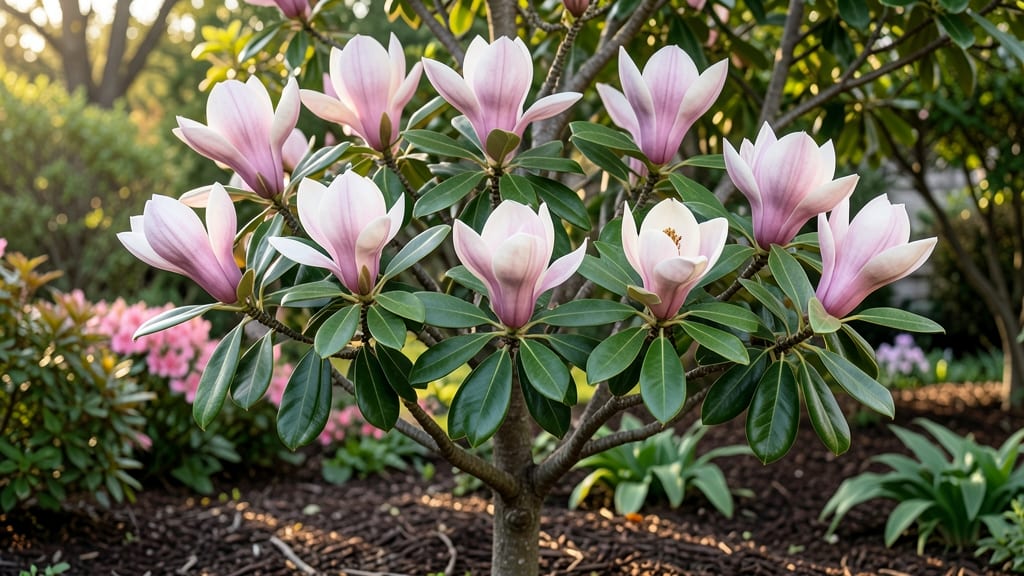
Magnolias bloom in early spring 🌸, but the exact timing depends on the variety and where you live — and getting it right means the difference between a showstopper and a no-show.
If you’ve ever wondered why your Magnolia grandiflora waits until June while your neighbor’s Magnolia stellata bursts into flowers in March, the answer lies in their native climates and chilling requirements. Some varieties need 600 hours below 45°F to trigger blooms, while others barely break a sweat.
In USDA Zone 6, most magnolias bloom between late March and early May, but a 5°F colder winter can delay things by weeks. The key isn’t just the calendar—it’s understanding how your local frost dates, soil temperature, and even last year’s pruning habits play into the equation.
Below, I’ll break down the month-by-month bloom windows for 12+ varieties, how to adjust care for your zone, and the one pruning mistake that kills next year’s flowers. Spoiler: It’s not what you think.
Magnolia bloom time by variety: month-by-month guide
Magnolias are nature’s fireworks—each variety has its own bloom calendar, turning your garden into a seasonal spectacle. Whether you crave early spring color or late-summer drama, choosing the right magnolia species ensures year-round interest.
Below, I’ve mapped out the exact bloom windows for 12+ popular varieties, including regional shifts for USDA Zones 5–9.
For gardeners in Zone 6 or 7, timing is everything. A Magnolia stellata might burst into bloom by late March, while a Magnolia grandiflora waits until June or July.
Even within the same zone, microclimates can shift blooms by 2–4 weeks. Let’s dive into the month-by-month guide so you can plan your garden’s grand entrance.
🌸
| Variety | Bloom Time (Zones 5–9) | Flower Color | Size at Maturity | Notes | |||||||||||||||||||
|---|---|---|---|---|---|---|---|---|---|---|---|---|---|---|---|---|---|---|---|---|---|---|---|
| Magnolia stellata | Late March–April | White/pink | 10–15 ft | Early bloomer; cold-hardy | |||||||||||||||||||
| Magnolia × soulangeana | March–April | Pink/purple | 15–20 ft | Hybrid; fragrant blooms | |||||||||||||||||||
| Magnolia liliiflora | April–May | White/yellow | 10–15 ft | Lily-like flowers; compact | |||||||||||||||||||
| Magnolia virginiana | May–June | White | 15–25 ft | Swamp magnolia; late bloomer | |||||||||||||||||||
| Magnolia grandiflora | June–July (Zones 7–9) | White | 60–80 ft | Evergreen; large, fragrant blooms | |||||||||||||||||||
| Magnolia acuminata | May–June | Greenish-yellow | 40–60 ft | Cucumbertree; tall and sturdy | |||||||||||||||||||
| Magnolia 'Annie' (dwarf) | April–May | Pink | 8–12 ft | Compact; great for small gardens | |||||||||||||||||||
| Magnolia kobus | April–May | White | 20–30 ft | Korean magnolia; cold-tolerant | |||||||||||||||||||
| Magnolia 'Black Tulip' | May–June | Deep purple |
How hardiness zones affect Magnolia bloom timingYour magnolia’s bloom timing isn’t just about luck—it’s directly tied to your USDA hardiness zone. A Zone 7 tree might burst into color in late March, while a Zone 5 neighbor’s magnolia waits until mid-May. These differences stem from chilling hours and seasonal cues your tree uses to trigger flowering. Understanding these patterns lets you adjust care to sync blooms with your region’s climate. Chilling hours—the number of hours below 45°F (7°C) a tree needs—are critical. Most magnolias require 300–1,000 hours, but varieties like Magnolia stellata thrive in Zone 4–8 with fewer hours, while Magnolia grandiflora prefers Zone 7–10 and longer growing seasons. If your tree isn’t blooming, it might not be getting enough cold exposure or warmth to break dormancy. Soil temperature also plays a role. Roots need to warm to 50–60°F (10–15°C) before shoots emerge. In cooler zones, mulch with 3–4 inches of organic matter (like shredded bark) to insulate roots and speed up warming. Conversely, in Zone 9+, avoid heavy mulch—it can trap too much heat and delay blooms.
Pruning timing is another zone-dependent factor. In cooler zones (4–6), prune immediately after blooming to avoid cutting off next year’s buds. In warmer zones (7–10), you can prune late winter since buds form later. Never prune in fall—this removes potential blooms for the following season. Soil prep matters too. Magnolias prefer acidic soil (pH 5.0–6.5). In Zone 5–6, amend with peat moss or sulfur to lower pH, while Zone 8–9 gardens may need pine bark fines for drainage. Test your soil in early spring and adjust 2–3 months before expected bloom time for best results. For a zone-specific checklist, start by identifying your last frost date (e.g., April 15 in Zone 6). Then: ☑️ Zone 4–5: Add winter mulch by November; fertilize in early May. ☑️ Zone 6–7: Prune after April blooms; water deeply in drought-prone summers. ☑️ Zone 8–9: Mulch lightly in winter; avoid overwatering in humid months. ☑️ Zone 10+: Prune late winter; provide afternoon shade in peak heat. With these adjustments, you’ll align your magnolia’s blooms with your region’s climate—turning your garden into a seasonal showstopper year after year. 🌸 |