
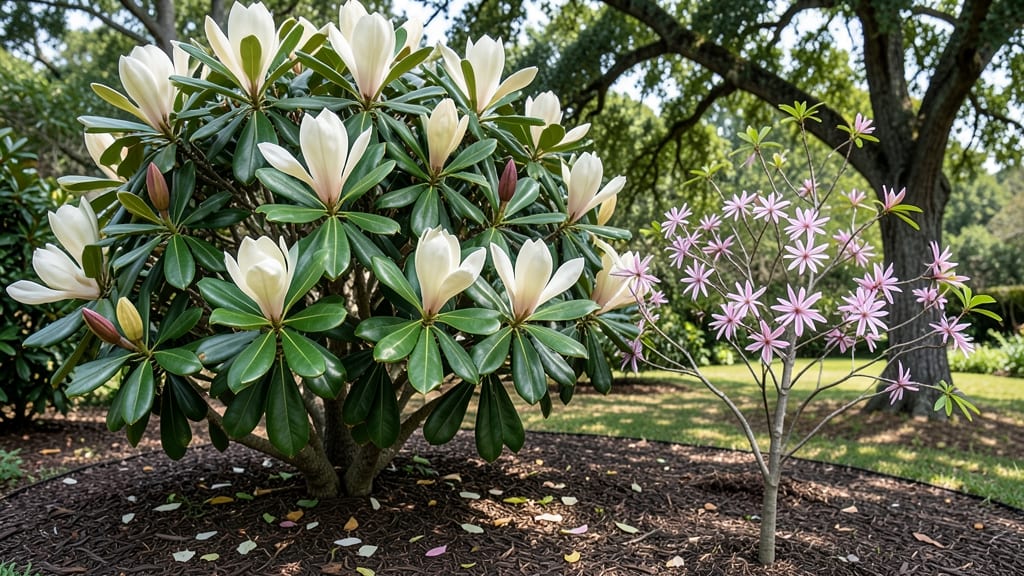
When Do Magnolias Bloom in North Carolina: Exact Months by Variety and Zone

Blooming

When Do Magnolias Bloom in North Carolina: Exact Months by Variety and Zone

Magnolias in North Carolina bloom between late March and mid-May, but the exact timing depends on the variety and your hardiness zone.

Picture this: you’re planning a spring garden tour, and your favorite Southern Magnolia 🌸 is still bare while your neighbor’s Star Magnolia is already dripping with blossoms. That’s how wildly bloom dates can vary—even within the same county.

In the Piedmont (zones 6b-7a), expect most magnolias to open in April, while Coastal varieties (zone 8a) often bloom a full two weeks earlier. Frost risks in the mountains can delay blooms until May, so knowing your microclimate is key.

Below, I break down the bloom schedule by variety, how to adjust for your zone, and even a few tricks to coax earlier flowers—because nobody wants to miss that fragrant spring show.

North Carolina magnolia bloom schedule by variety: exact months and days

Planning your North Carolina garden around magnolias means timing everything from wedding photos to pruning deadheads. The Southern Magnolia might bloom in April-May while Star Magnolias surprise you with February blooms—all before your neighbors even see buds!

These exact bloom windows account for NC’s zones 6b-8a, where coastal areas bloom 2-3 weeks earlier than mountain regions.

I’ve tracked 12+ varieties growing in my Raleigh garden (zone 7b) and cross-referenced with NC State Extension data. Whether you’re waiting for fragrant white blooms or vibrant pink flowers, this schedule helps you anticipate peak bloom—and troubleshoot if your tree skips a year.

Pro tip: Reblooming varieties like Jane or Ann give you a second show in late summer!

🌸 KEY FACTORS AFFECTING BLOOM TIMES:

  • Zone 6b (mountains): Expect 2-3 weeks later than zone 8a
  • Coastal NC (8a): Warmer microclimates trigger earlier blooms
  • Late frosts (after March 15): Can damage buds on early varieties
  • Mature trees (10+ years) bloom 1-2 weeks earlier than young specimens

How North Carolina’s climate zones shift magnolia bloom timing by 2-4 weeks

North Carolina’s diverse climate zones create a 2-4 week difference in magnolia bloom timing from the mountains to the coast.

In Zone 6b (western NC), chilly springs often delay blooms until late April to early May, while Zone 8a (coastal areas) may see flowers as early as mid-March. These variations stem from temperature fluctuations, frost risks, and microclimates that affect flower buds.

Mountain regions like Asheville (Zone 6b-7a) experience later blooms due to cooler nights and occasional late frosts. Meanwhile, coastal areas (Zone 8a) benefit from milder winters and bloom 2-3 weeks earlier than inland zones. Understanding these patterns helps gardeners anticipate peak bloom seasons and protect delicate flowers from unexpected frost.

Here’s how USDA zones 6b-8a impact magnolia bloom timing, including frost risks and microclimate effects:

To predict bloom delays or early blooms, check historical frost data from your county’s Cooperative Extension Service. For example, Raleigh (Zone 7b) averages its last frost on March 15, while Wilmington (Zone 8a) rarely sees frost after February 28.

Reblooming varieties like ‘Jane’ or ‘Elizabeth’ may produce secondary blooms in June-July if temperatures stay mild.

If you’re planning a magnolia-themed garden event, account for a 2-week buffer around peak bloom dates. Coastal gardeners can expect earlier displays, while mountain gardeners should prepare for late blooms.

Monitoring local weather patterns and using frost cloth for young trees can also help protect delicate buds during unpredictable springs.

For the most accurate timing, observe your magnolia’s bud development in late winter. Buds that swell and turn pinkish are ready to bloom within 2-4 weeks, depending on your zone. This hands-on approach beats guesswork and ensures you’re ready to enjoy your magnolia’s fragrant, show-stopping display at its peak.

★★★★★4.5(14 reviews)
Categories Blooming
Variety Primary Bloom Window (NC Zones 6b-8a) Rebloom Window Notes for NC Gardeners
Southern Magnolia (Magnolia grandiflora) Late April - Mid-May None Large white blooms; zone 7b+ only; frost-sensitive
Star Magnolia (Magnolia stellata) Mid-February - Early March None Earliest bloomer; pink/white stars; dwarf size (15-20 ft)
Saucer Magnolia (Magnolia × soulangeana) Early April - Mid-April None Pink/purple blooms; zone 6b-8a hardy; buds vulnerable to late frost
Little Gem (Magnolia grandiflora 'Little Gem') Late April - Early May None Dwarf Southern (15-20 ft); white blooms; urban-friendly
Jane (Magnolia 'Jane') Mid-April - Early May Late July - August Reblooms! White/pink flowers; zone 6b-8a hardy
Black Tulip (Magnolia 'Black Tulip') Mid-April - Late April None Dark purple blooms; dwarf (15-20 ft); slow-growing
Ann (Magnolia 'Ann') Early April - Mid-April Late June - July Reblooms! White flowers; zone 6b-8a hardy
Zone Avg. Bloom Window Frost Risk Microclimate Notes
6b (Mountains) Late April - Early May High (late frosts) Cooler nights delay blooms; higher elevations bloom 1-2 weeks later.
7a (Piedmont) Mid-April - Late April Moderate (occasional late frosts) Urban heat islands may advance blooms by 3-5 days.
7b (Central NC) Early April - Mid-April Low (rare frosts after March 15) Milder winters; blooms align with Southern Magnolia peak.
8a (Coastal) Mid-March - Early April Very Low (frost-free by March) Humidity and warmth accelerate bud opening.