
Blooming
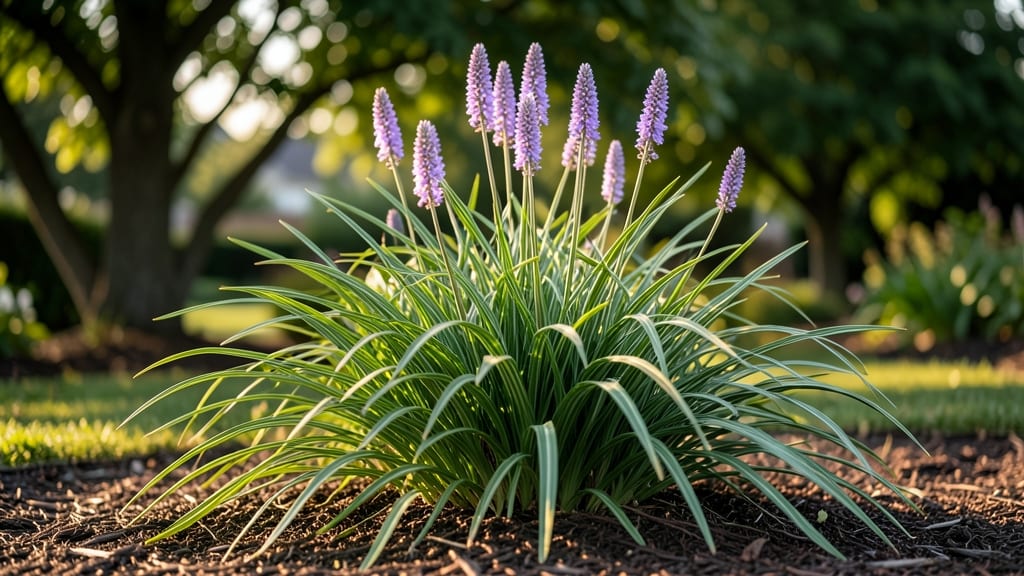
Liriope blooms naturally in late summer to early fall, turning your garden edges into a sea of delicate purple spikes 🌿 — but only if you time the care just right.
Struggling to get your liriope plants to rebloom year after year? Timing, care, and a few simple tricks can transform your sparse clumps into lush, flower-filled borders—without harsh chemicals or guesswork.
This hardy grass-like perennial thrives in USDA Zone 6a and beyond, but its bloom cycle depends more on daylight hours than temperature. Too much shade or overwatering can stall those signature spikes, while the right balance of sun and soil keeps them coming back.
Below, I’ll break down the natural bloom window, how to spot early signs of flowering, and the three care adjustments that trigger reblooms—so you can enjoy those cheerful blooms for years to come.
Natural liriope bloom time: seasonal patterns and climate variations
If you've ever wondered why your liriope (also called monkey grass) blooms sporadically, the answer lies in its natural seasonal rhythm. Most varieties produce their signature lavender spikes in late summer to early fall, but timing can shift based on your USDA hardiness zone and local climate.
Understanding these patterns helps you predict—and even encourage—blooming without guesswork.
Liriope's flowering is triggered by a combination of temperature shifts and daylight hours. As days shorten in late summer, cooler nights signal the plant to produce flowers.
In warmer zones (like Zones 8-10), you might see blooms as early as July, while cooler regions (like Zones 3-6) typically bloom in September or October.
Here’s how your liriope’s blooming aligns with seasonal cues and regional differences:
| Zone | Typical Bloom Window | Triggering Factor | Care Tip |
|---|---|---|---|
| Zones 3-6 | Late August–October | Cooler nights + shorter days | Mulch in early fall to protect roots |
| Zones 7-9 | July–September | Extended warm days + humidity | Water deeply in droughts to sustain blooms |
| Zones 10+ | June–August | Consistent warmth year-round | Prune spent blooms to encourage reblooming |
Did you know liriope can sometimes rebloom in spring? This happens in warmer climates where winter temperatures stay above 40°F. In these zones, liriope may produce a second, smaller flush of flowers in April or May, though the display is usually less dramatic than the fall bloom.
Your liriope’s variety also plays a role. 'Big Blue' and 'Silver Dragon' tend to bloom later in the season, while 'Giant Green' may flower slightly earlier. If you’re unsure about your plant’s variety, check the leaf width and flower spike height—narrower leaves and taller spikes often indicate later bloomers.
Climate variations like humidity and rainfall can delay or enhance blooming. In dry regions, liriope may wait for consistent moisture before flowering, while high-humidity zones can trigger earlier blooms.
Pay attention to your local weather patterns to adjust watering schedules and protect flowers from heavy rain or strong winds.
To identify your liriope’s natural blooming rhythm, observe it for 2-3 years. Note the exact month and week when flowers appear, and compare it to the table above.
If blooms arrive 2 weeks early or late, your plant may be stressed or need adjusted care—like more shade or better drainage.
Pro tip: Use a gardening journal to track bloom times. Record the temperature, daylight hours, and any care changes (like fertilizer or pruning) you make. Over time, you’ll spot patterns that help you predict and encourage blooms more reliably.
If your liriope skips blooming entirely, don’t panic. Some plants take 2-3 years to mature enough for flowering. Focus on maintaining healthy foliage—thick, vibrant leaves are a sign your plant is storing energy for future blooms.
With the right conditions, your liriope will reward you with stunning spikes year after year.
How to extend liriope bloom time with 3 simple care tricks
If your liriope plants are putting out just a few purple spikes each year, you’re not alone. Most gardeners assume these tough, grass-like perennials bloom once and call it a day—but with the right approach, you can coax them into reblooming for months.
The secret lies in understanding their growth cycles and giving them three key triggers at the right time.
Liriope blooms are triggered by a combination of temperature shifts, nutrient availability, and strategic pruning. Unlike finicky annuals, liriope responds well to simple adjustments that mimic their natural environment.
Think of it like giving your plants a second wind—without overcomplicating their care routine. Let’s dive into the three easiest ways to extend their bloom time effortlessly.
3 Proven Tricks to Extend Liriope Bloom Time
-
1. Deadhead & Prune After First Bloom
Remove spent flower spikes immediately to redirect energy to new growth. Use clean bypass pruners to cut back 1/3 of the foliage after blooming ends. -
2. Feed with Slow-Release Fertilizer
Apply a balanced 10-10-10 fertilizer in early spring and again after mid-summer pruning. Avoid high-nitrogen blends—they promote leafy growth over flowers. -
3. Adjust Watering for Stress-Free Blooms
Water deeply once weekly in spring/fall, but let soil dry slightly between waterings in summer. Morning watering prevents fungal issues that stunt blooms.
Let’s break down each trick so you can apply them confidently. Start with pruning, the most underrated tool in your liriope care toolkit. Most gardeners wait until winter to tidy up, but that’s a missed opportunity.
By pruning right after the first bloom cycle, you’re telling the plant, “Hey, it’s time to grow again!” This encourages new flower stalks to form within weeks.
Next, focus on soil fertility. Liriope isn’t a heavy feeder, but it does need a gentle nudge to produce more blooms. A slow-release fertilizer applied in early spring provides steady nutrients without burning the roots.
Think of it like a vitamin boost—just enough to keep your plants thriving without overdoing it. For best results, work a 1-inch layer of compost into the soil annually to improve drainage and microbial activity.
Finally, don’t underestimate the power of watering adjustments. Liriope thrives on consistency, but too much water can lead to root rot and fewer blooms. Aim for 1 inch of water per week, delivered in the morning to allow foliage to dry before evening.
This simple habit reduces stress and keeps your plants blooming longer into fall. Pro tip: Use a rain gauge or tuna can to measure water accurately—you’ll be surprised how often we overwater!
With these three tricks, you’ll see a noticeable difference in your liriope’s bloom time within one growing season. The best part? These methods work for all liriope varieties, from the classic Big Blue to the variegated Silver Dragon.
Give them a try this spring, and enjoy a flower-filled border that lasts well into autumn.