
Blooming
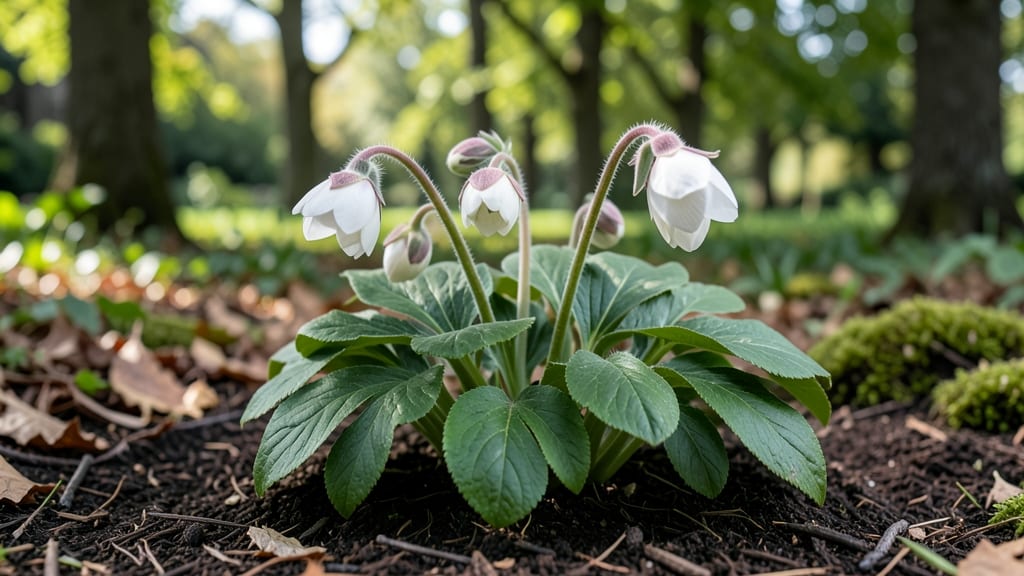
The lenten rose bloom time arrives when most gardens are still buried under snow. 🌱 This hardy perennial wakes up in late winter—sometimes as early as February in warmer zones—to deliver velvety blooms when you need color most.
Unlike spring ephemerals that vanish quickly, Lenten roses linger for weeks, turning early gardens into stunning focal points.
Bloom time depends on two key factors: chill hours and sunlight. In Zone 5-7, expect flowers by February-March, while warmer climates (Zone 8+) may see them in December-January.
Partial shade protects blooms from harsh afternoon sun, which can scorch petals. The secret to consistent flowering? Let the plant rest through summer—it stores energy underground for next year’s show.
With the right spot, your Lenten rose will reward you with bold, nodding blooms that resist deer and rabbits. The dark evergreen foliage adds texture year-round, making it a low-maintenance workhorse for shady borders. Just avoid heavy mulch in winter—it can smother emerging shoots.
For best results, plant in well-draining soil and water moderately. If your plant skips blooming, it might need more sunlight or a summer pruning to encourage new growth. Patience pays off—these roses often live for decades, becoming garden treasures that outshine trendy annuals.
📚 In This Guide
- What you need
- Instructions
- Tips and common mistakes
- Wrapping up and next steps
What you need
- ● Lenten rose plants: 3–5 mature plants (bare-root or potted) for optimal display. Choose Helleborus niger (classic white) or varieties like ‘Jacob’ (pink) or ‘Pink Frost’ (soft pink).
- ● Well-draining soil: Mix 60% topsoil with 30% compost and 10% perlite or coarse sand (1–2 cubic yards per 100 sq. ft.). Aim for a pH of 6.0–7.5.
- ● Organic mulch: 2–3 inches of shredded bark, wood chips, or leaf mold to retain moisture and regulate temperature.
- ● Slow-release fertilizer: 10-10-10 or 5-10-10 (5 lbs per 100 sq. ft.), applied in early spring or fall.
- ● Garden gloves: A pair of durable, breathable gloves (e.g., Firestone or Workrite brands) to protect your hands.
- ● Hand trowel or small spade: For planting and soil adjustments (6–8 inch blade recommended).
- ● Watering can or hose with a gentle spray nozzle: Lenten roses prefer deep but infrequent watering (1–2 gallons per plant, 2–3 times per week in dry spells).
- ● Pruning shears: Bypass pruners (sharp, 6–8 inch blades) for deadheading and shaping.
- ● Cold frame or cloche: Protect young plants from late frosts (use clear plastic domes or mini greenhouses).
- ● Epsom salt: 1 tbsp dissolved in 1 gallon of water (spray foliage monthly for magnesium boost).
- ● Garden twine & stakes: For supporting tall varieties (e.g., Helleborus ‘RSWink’) as they mature.
- ● Soil moisture meter: Ensures roots stay consistently moist but not soggy (critical in winter).
- ● Decorative stones or gravel: Mulch alternative for a polished look (ensure stones are 1–2 inches deep).
- ● Chill hours: Lenten roses thrive with 600–1,000 hours below 40°F (4°C) annually. Zone 4–8 is ideal, but they tolerate Zone 3 with winter protection.
- ● Partial to full shade: Plant in spots with morning sun and afternoon shade (avoid harsh midday rays).
- ● Patience: Established plants (3+ years) bloom best, but young plants may take 1–2 years to flower.
- ● Disease resistance: Monitor for leaf spot or powdery mildew—remove affected foliage promptly.
How to time lenten rose blooms for stunning year-round color
Here's the secret to unlocking those dramatic, early blooms—it all starts with understanding their unique chill requirements.
🌱 Step 1: Understand the Chill-Triggered Bloom Cycle
Lenten roses (Helleborus) bloom in late winter or early spring because they need a 6-8 week cold period (around 40-50°F) to trigger flower buds. Unlike most perennials, they don't go fully dormant—they just slow down. Plant them in partial shade where they get morning sun and afternoon shade, which naturally keeps soil temps cooler.
Here's the thing—if you live in a warm-winter climate (like Zone 8-10), you'll need to mimic winter conditions. I've had success with a simple trick: cover the plants with 3-4 inches of mulch in late summer, then remove it in early winter to let them experience natural temperature swings. This foolproof method ensures they get the chill hours they need.
☀️ Step 2: Choose the Right Planting Location
Lenten roses thrive in spots with dappled sunlight—think under deciduous trees where they get bright light but not scorching afternoon rays. Too much sun causes leaves to scorch, while too little shade delays blooming. I always plant mine near the foundation of my house where the north side stays cooler.
Dig a hole twice as wide as the root ball but only as deep as the container. The crown (where roots meet stems) should sit just above soil level—burying it too deep suffocates the plant. Amend the native soil with 2-3 inches of compost to improve drainage, since these roses hate soggy roots.
💧 Step 3: Water Strategically Through the Seasons
After planting, water deeply once a week until established (about 3-4 weeks). You'll know it's enough when water drains through the hole in the bottom of the pot. Once planted, they're drought-tolerant but bloom best with consistent moisture—aim for 1 inch of water per week during growing season.
Here's where most gardeners mess up: Overwatering in winter. Lenten roses need less water when dormant. I check soil moisture by sticking my finger 2 inches deep—if it's dry, water lightly. If it's still damp, wait another week. Too much winter water causes rot, which kills the plant before it can bloom.
✂️ Step 4: Prune After Blooming to Encourage Next Year's Flowers
Wait until late spring or early summer—after the current blooms fade—to prune. Cut back spent stems to 1 inch above the ground using clean, sharp shears. This might seem drastic, but it redirects energy into next year's flower buds. I always sterilize my shears with rubbing alcohol between cuts to prevent disease spread.
Remove any yellow or diseased leaves immediately—don't wait. These roses are tough, but they'll put on a better show next year if you keep them healthy. After pruning, add a 1-inch layer of mulch around the base to retain moisture and regulate soil temperature.
⏰ Step 5: Extend the Bloom Season with Simple Tricks
For a longer display, deadhead faded blooms by snipping stems just above the first set of healthy leaves. This encourages new flowers to form. I also fertilize lightly in early spring with a balanced 10-10-10 formula—just a handful sprinkled around the base and worked into the top inch of soil.
To get blooms earlier, give them a 2-3 week cold snap in late fall. I've had great results by moving potted lenten roses to an unheated garage or covered porch during mild winters. The sudden temperature drop mimics natural winter conditions and triggers earlier bud formation. Just bring them back indoors before freezing temps hit.
Tips & tricks for perfect lenten rose bloom timing
These garden-tested tricks will help you coax dramatic blooms from your lenten roses—no matter your climate.
Chill Hours Secret: The 6-8 week cold period between 40-50°F is non-negotiable for bud formation. I track chill hours using a simple thermometer tucked near the plants—anything above 50°F counts as zero chill time. In warm climates, consider a DIY "chill chamber" using a refrigerator set to 40°F for 2-3 weeks in late fall to jumpstart budding.
Location is Everything: That perfect dappled sunlight spot isn't just about aesthetics—it's about temperature regulation. I've seen lenten roses in full sun get leaf scorch, while those in deep shade produce fewer blooms. The north side of buildings or under deciduous trees creates that ideal microclimate. Pro tip: Use a white garden marker to flag your best spots before planting season.
Watering Wisdom: The 1-inch weekly watering rule is perfect for growing season, but winter care is completely different. I've ruined plants by following the same schedule—dormant lenten roses need about 10% of summer water. That finger test at 2 inches deep becomes your best friend in winter. If you're unsure, wait an extra week rather than risking rot.
Pruning Precision: When you cut those spent stems back to 1 inch above ground in late spring, you're not just tidying up—you're creating next year's flower buds. I sterilize my pruners between cuts with rubbing alcohol to prevent disease spread, and always use sharp shears for clean cuts. The 1-inch mulch layer after pruning isn't just decoration—it regulates soil temperature and retains moisture.
Pro Tips for Lenten Rose Bloom Time
- These garden-tested tricks will help you coax dramatic blooms from your lenten roses—no matter your climate.
- Chill Hours Secret: The 6-8 week cold period between 40-50°F is non-negotiable for bud formation.
- Location is Everything: That perfect dappled sunlight spot isn't just about aesthetics—it's about temperature regulation.
Frequently asked questions
Got questions about timing, care, or those stunning Helleborus blooms? We’ve got answers!
Here are the most common queries gardeners ask about Lenten rose bloom time—plus expert tips to ensure your plants shine year after year.
When exactly do Lenten roses bloom, and how long does it last?
Lenten roses typically bloom from late winter to early spring (February–April in most climates), but some varieties may rebloom lightly in fall. Their flowers last 4–6 weeks per flush, with individual blooms lasting 3–5 weeks if deadheaded. Chilly weather triggers blooming, so they’re perfect for early-season color!
Do Lenten roses need a cold period to bloom?
Yes!
These perennials are chill-requiring, meaning they need 4–8 weeks of temps below 50°F (10°C) to set buds. If your climate stays mild, simulate winter by covering plants with frost cloth or moving pots to a cooler garage. Skipping this step? Fewer (or no) blooms!
Can I force Lenten roses to bloom earlier or later?
While you can’t guarantee earlier blooms, light pruning in early fall (after flowering) encourages stronger stems for next year. For delayed blooms, avoid heavy pruning until after the first flush. Over-zealous trimming can reduce flower production—think “less is more”!
Why aren’t my Lenten roses blooming this year?
No blooms? Check these culprits:
- Too much shade: They need partial sun (4–6 hours/day).
- Over-fertilizing: Too much nitrogen = leafy growth, no flowers.
- Lack of dormancy: No cold snap? They won’t bloom.
- Old plants: After 5+ years, divide clumps to rejuvenate.
Try a balanced 10-10-10 fertilizer in early spring and monitor sunlight!
Are there Lenten rose alternatives for warmer climates?
If your zone stays too warm, try these early-blooming perennials:
- Winter aconite (Eranthis hyemalis)
- Snowdrops (Galanthus)
- Crocuses (Crocus)
- Hellebore hybrids (e.g., Helleborus x ericsmithii)
These thrive in USDA Zones 3–8 and offer similar winter-to-spring drama!
Wrapping up and next steps
The Lenten rose is a true marvel of nature—its stunning blooms emerge with resilience, proving that beauty thrives even in cooler seasons. By understanding its chill-triggered bloom time and meeting its simple care needs, you can enjoy vibrant flowers year-round.
Now’s the perfect moment to plant or nurture your own—whether you’re a seasoned gardener or just starting out!
🌱 Next step: Grab your gloves, pick a shady spot, and give these hardy beauties a home. Your garden (and future admirers) will thank you!