
Blooming
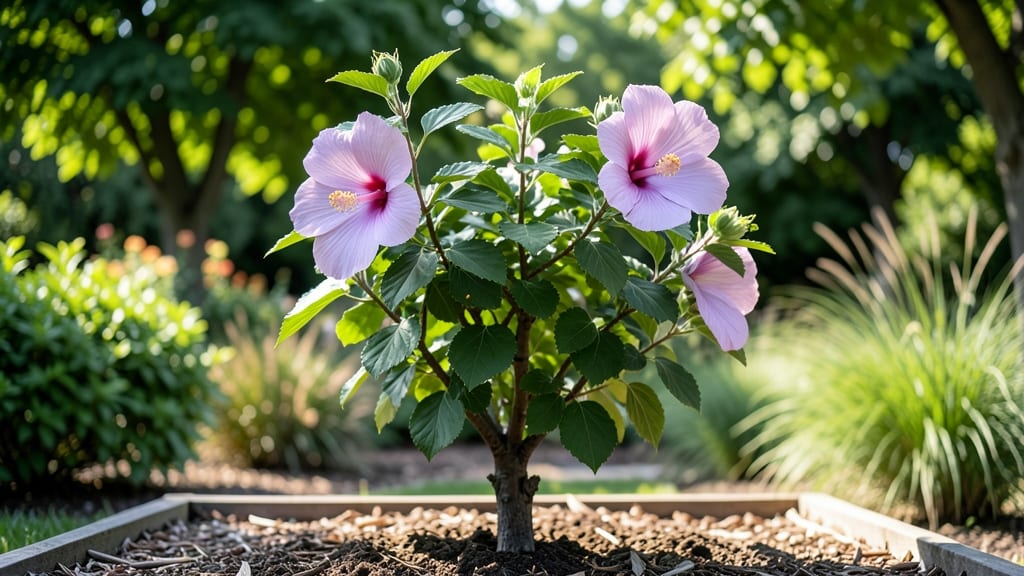
The Rose of Sharon bloom time is the moment your garden transforms into a vibrant canvas of trumpet-shaped flowers 🌸 — but getting it right depends on your variety and where you live.
Picture this: You’ve planted your Hibiscus syriacus with high hopes, only to wait and wonder, "Why aren’t those blooms coming?" The answer? Timing isn’t one-size-fits-all.
Some varieties burst into color as early as June, while others hold off until August, and your hardiness zone shifts those windows even more.
In Zone 6a, where many gardeners call home, most Rose of Sharon shrubs bloom between mid-July and September. But in warmer zones like 9 or 10, they might start as early as May or stretch into November.
The key? Knowing your plant’s personality and giving it the right care to keep those blooms coming.
Below, I’ll break down the exact months for popular varieties, how to adjust for your zone, and the simple pruning tricks that can extend your bloom time by weeks. No more guessing — just stunning, reliable flowers.
Rose of Sharon bloom time by variety: exact months for popular cultivars
If you’ve ever waited eagerly for your Rose of Sharon to bloom, you know timing is everything. These stunning shrubs produce showy flowers that last weeks, but their bloom windows vary dramatically by variety and zone.
Some burst into color as early as late May, while others wait until mid-September. Knowing your plant’s specific schedule helps you plan pruning, fertilizing, and even garden parties around their peak display!
Rose of Sharon blooms are famous for lasting 7–10 days per flower, with new buds opening continuously. The key to maximizing their impact? Choosing varieties that align with your climate and desired bloom season.
For example, 'Alba' thrives in cooler zones with early blooms, while 'Blue Bird' extends the season into fall. Let’s dive into the exact bloom times for 10 top varieties so you can pick the perfect performer for your garden.
⚠️ Pro Tip: Bloom times shift 2–4 weeks earlier in warmer zones (like Zone 9) compared to cooler ones (like Zone 5). Always adjust expectations based on your USDA zone.
| Variety | Primary Bloom Time (Zones 5–7) | Primary Bloom Time (Zones 8–10) | Flower Color | Bloom Duration | Visual Cue |
|---|---|---|---|---|---|
| 'Katherine Havemeyer' | Late June–July | Early June–July | Deep pink | 6–8 weeks | Large, ruffled petals |
| 'Robert Harkness' | Mid-July–August | Late June–July | Crimson red | 5–7 weeks | Darkest red variety |
| 'Alba' | Early June–July | Late May–June | Pure white | 7–9 weeks | Fragrant, delicate petals |
| 'Blue Bird' | Late July–September | August–October | Sky blue | 8–10 weeks | Only blue variety |
| 'Annabelle' | Mid-July–August | June–July |
How USDA hardiness zones affect Rose of Sharon bloom time: a Zone-by-Zone guideYour Rose of Sharon (Hibiscus syriacus) blooms at different times depending on your USDA hardiness zone. In Zone 9, expect flowers as early as late April, while Zone 5 gardeners might wait until mid-June. This shift happens because colder zones need more warmth to break dormancy. Understanding your zone helps you plan for the best bloom window and avoid missing those stunning summer displays. In Zones 6–8, blooms typically arrive between May and early June, aligning with warmer spring temperatures. However, Zone 10 can see blooms as early as March in mild winters. The key difference? Chilling requirements—Rose of Sharon needs 200–600 hours below 45°F to trigger blooming, which varies by zone. If you’re in Zone 5 or 6, your Rose of Sharon may need a head start. Plant heat-loving varieties like 'Annabelle' or 'Blue Bird' in south-facing spots to capture extra warmth. In Zones 9–10, focus on watering consistency—drought stress can delay blooms even in ideal climates. Pro tip: Use a zone-specific bloom calendar to track your plant’s progress. Mark bud swell (when buds form) and first bloom dates each year. Over time, you’ll notice patterns tied to your microclimate. For example, Zone 7 gardens near large bodies of water may bloom 1–2 weeks earlier than inland areas. Extending bloom time is easier in warmer zones. In Zone 8–10, deadhead spent flowers throughout summer to encourage reblooming. In colder zones, late-season pruning (after first frost) can stimulate next year’s buds. Always prune in late winter to avoid cutting off potential blooms. Download our free zone map overlay to visualize bloom timing in your area. It highlights peak bloom windows and reblooming periods for popular varieties. Pair it with your local frost dates to plan pruning and fertilizing for maximum impact. Remember, soil temperature matters just as much as air temperature. In Zone 5–6, wait until soil reaches 60°F before fertilizing—cold soil locks out nutrients. Use a soil thermometer to track progress and time feedings for optimal bloom timing. 🌸 |