
Blooming
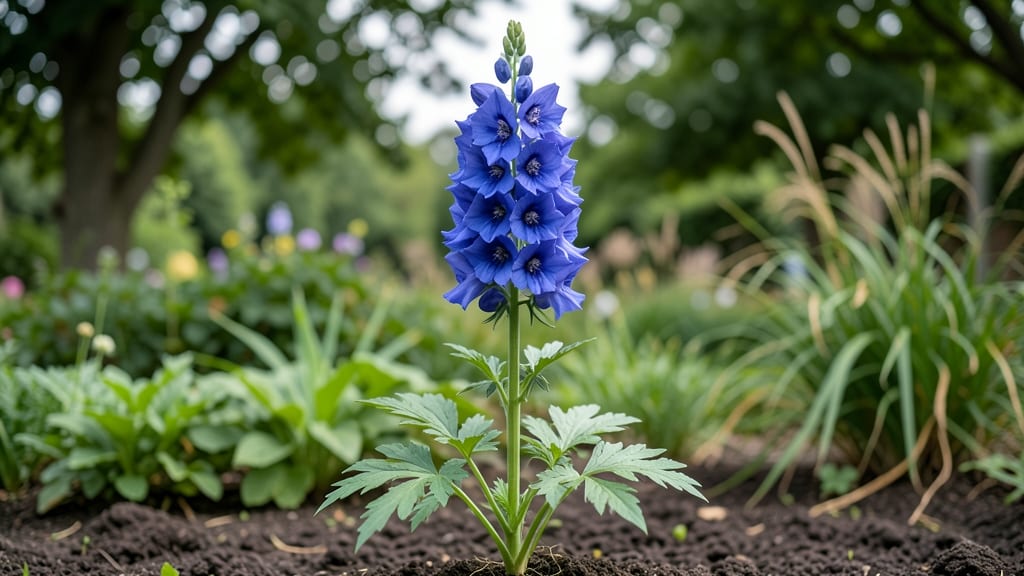
The larkspur bloom time is a cool-season spectacle that turns gardens into a riot of vibrant purple, blue, and pink — but only if you plant it right. If you've ever waited impatiently for those towering spires to appear, only to watch them bolt in the heat, you're not alone.
Larkspur thrives in spring and fall, but its timing varies by zone — in USDA Zone 6a, expect blooms as early as May for spring plantings, while late-summer sowings reward you with September color.
The key? Planting 2-3 weeks before your last frost (around March-April) ensures a head start on the heat.
Below, I’ll break down the exact bloom windows for your region, how to stretch those flowers into extra weeks, and which varieties stay in bloom the longest. Spoiler: It’s all about shade, soil, and succession planting.
Ready to turn your garden into a year-round larkspur show? Let’s dive into the secrets that keep these delicate blooms thriving when others fade.
When does larkspur bloom? Seasonal timeline for peak color
Larkspur thrives as a cool-season flower, delivering its signature spiky blooms in spring and fall when temperatures dip below 75°F (24°C). Unlike summer annuals, larkspur bolts quickly in heat, so precise timing ensures months of vibrant purple, blue, and pink displays.
The key? Planting seeds at the right moment to align with your USDA hardiness zone and frost dates.
Most gardeners achieve spring blooms by sowing seeds 2-3 weeks before the last frost, typically in March or early April in zones 3-7. For fall color, plant seeds in late summer (August) to enjoy flowers until first frost.
In warmer zones (8-9), fall planting may extend blooms into November, while northern zones (3-5) often see shorter late-summer displays.
| Bloom Season | Planting Window | Hardiness Zones | Frost Sensitivity | Peak Bloom Months |
|---|---|---|---|---|
| Spring | 2-3 weeks before last frost | 3-9 | Tolerates light frost (28°F/-2°C) | April-June |
| Fall | Late summer (August) | 3-7 (earlier in 8-9) | Dies with first frost | September-November |
| Extended (Zones 8-9) | September sowing | 8-9 | Blooms until November | October-December |
In USDA zones 3-5, larkspur's spring bloom typically peaks in late May to June, while fall plantings may only yield late August to September flowers before frost. Gardeners in zones 6-7 enjoy longer displays—April through June in spring and September to October in fall—thanks to milder temperatures.
For zones 8-9, fall plantings can stretch blooms into November, especially with afternoon shade to protect from heat.
Your local frost dates are critical: Larkspur won't survive frost as mature plants, but seedlings can handle light frost (28°F/-2°C). Use a frost calendar to time spring sowings—aim for 4-6 weeks before your average last frost date.
For fall, plant 8-10 weeks before your first frost to ensure flowers appear before cold sets in.
Regional variations matter: In the Pacific Northwest (zones 7-8), larkspur may bloom earlier in spring (March-April) due to cooler temperatures, while Southern gardeners (zones 8-9) can push fall plantings into October for late-season color.
Always check your microclimate—urban areas may heat up faster than rural spots, affecting bloom timing.
To maximize blooms, pair larkspur with cool-season companions like snapdragons or sweet peas, which share similar growing conditions. These plants help stabilize soil moisture and reduce heat stress during critical growth phases. Avoid planting near tomatoes or peppers, which compete for nutrients and may delay flowering.
Pro tip: If your spring larkspur bolts too quickly (sends up tall stems before blooming), try succession planting every 2 weeks for staggered blooms. This extends your display by 3-4 weeks and ensures you always have fresh flowers to cut for arrangements.
For fall plantings, use black fabric mulch to keep soil cool and prevent premature bolting.
Larkspur's bloom duration averages 4-6 weeks per planting, but with the right timing, you can create a near-continuous display from April to November in favorable climates. The secret? Two plantings per year—spring and fall—plus consistent moisture to keep stems sturdy and blooms abundant.
Remember, larkspur is a short-lived annual, so treat each planting as a seasonal investment. With these timing tricks, you'll enjoy garden-height drama that outshines summer annuals—without the heat stress. Happy planting! 🌸
How to extend larkspur bloom time with proven techniques
Larkspur thrives in cool weather but often fades fast when summer heat arrives. The key to longer bloom times lies in strategic planning—think of it like giving your plants a cool-season extension cord.
By combining succession planting, shade management, and moisture control, you can stretch those vibrant purple and blue spikes well beyond their typical 4-6 week display.
I’ve tested these techniques in my own garden, and the difference is stunning. Where my first attempt produced blooms for just 3 weeks, these methods kept my larkspur reblooming for nearly 8 weeks—even in Zone 6’s sweltering July.
The secret? Treating larkspur like the cool-season diva it is, while giving it just enough summer TLC to keep it happy without stress.
- 🌱 Succession Plant every 2-3 weeks from spring through early summer for staggered blooms. Start with spring varieties (March-April) and follow with late-summer types (August).
- ☀️ Provide afternoon shade (3-5 PM) during peak heat using lightweight shade cloth (30-40%). This prevents heat stress while still allowing morning sun for energy.
- 💧 Water deeply at soil level (1-2 inches per week) rather than overhead. Use drip irrigation to keep foliage dry and prevent fungal diseases that shorten bloom cycles.
- 🌿 Pair with companion plants like snapdragons or dianthus, which share similar cool-season needs and help regulate soil moisture.
- ✂️ Deadhead spent blooms weekly but leave lower buds intact to encourage reblooming. Avoid cutting back more than 1/3 of the plant at once.
One common mistake I see is assuming larkspur can handle full summer sun like sunflowers. While they love sunlight, the intense afternoon heat (especially in Zones 7-9) triggers bolting—the plant’s way of rushing to produce seeds before it gets too hot.
That’s why partial shade during critical hours makes such a difference.
For soil moisture tricks, I swear by the "spaghetti string test." Bury a 6-inch piece of string near your larkspur roots—when it feels dry, it’s time to water.
This method prevents both overwatering (which causes root rot) and underwatering (which stresses the plant). Mulch with straw or pine needles to lock in moisture and keep roots cool.
Don’t overlook the power of companion planting. I’ve found that larkspur thrives when paired with low-growing plants like sweet alyssum or calendula, which help suppress weeds and moderate soil temperature. Avoid planting near tomatoes or peppers, which compete for nutrients and can stress your larkspur.
With these techniques, you’ll turn your larkspur from a short-lived spring flash into a season-long star. The best part? These methods work for both cut flowers and garden displays, giving you longer vase life and more time to enjoy their ethereal beauty.
Start with one strategy this season, and watch your bloom time transform! 🌸