
Trees
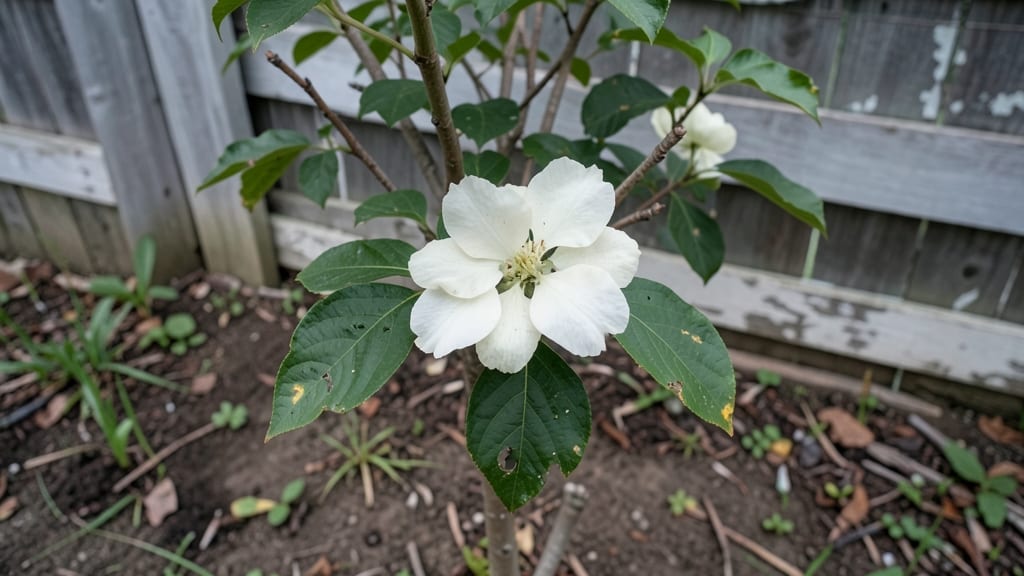
The Kousa dogwood bloom delivers show-stopping pink flowers that turn heads every spring—if you know the right conditions.
Picture this: your backyard in full bloom, the air thick with the sweet scent of 🌸Kousa dogwood flowers, their soft pink petals catching the morning light. But here’s the catch—many gardeners miss the window for peak blooms because they don’t understand the plant’s timing secrets.
This isn’t just about planting in USDA Zone 6a or early spring. The real magic happens in the balance of sunlight, soil, and even pruning. Too much shade?
Your blooms will fade early. Over-fertilize? You’ll get leaves, not flowers. I’ve spent years perfecting the formula, and the results are worth the effort.
In this guide, I’ll break down the exact steps to trigger longer-lasting, more vibrant blooms—plus how to troubleshoot common mistakes that leave your Kousa dogwood underwhelming. Ready to make your yard the talk of the neighborhood?
When and why Kousa dogwood blooms: the science behind pink flower timing
The Kousa dogwood (Cornus kousa) bursts into bloom with its signature pink, four-petaled flowers in early spring, creating a stunning focal point. But unlike its cousin, the flowering dogwood, its timing is influenced by a precise mix of biological triggers and environmental conditions.
Understanding these factors helps you predict—and even influence—when your tree will put on its best show.
At the heart of Kousa dogwood bloom timing are two critical factors: chill hours and sunlight exposure. These trees require a specific number of cold hours below 45°F (7°C) during winter to break dormancy.
In regions with 600-1,000 chill hours, blooms typically appear in March or April, while areas with fewer chill hours may see delayed or sparser flowering.
Regional variations play a huge role in Kousa dogwood bloom timing. In Zone 6, where I garden, blooms typically appear in early April, while in Zone 7, they may arrive as early as March. The key difference?
Warmer winters in Zone 7 provide fewer chill hours, but the tree often compensates by blooming earlier. For gardeners in Zone 5, where winters are colder, you might see blooms delayed until late April or even May.
Sunlight exposure is another critical factor. While Kousa dogwoods thrive in partial shade, they need at least 2-4 hours of morning sun to set flower buds properly. Too much afternoon sun can cause heat stress, leading to faded or sparse blooms.
In my garden, I’ve noticed that trees planted under high-canopy trees (like oaks) produce fewer flowers than those in dappled sunlight near a north-facing fence.
Soil conditions also influence bloom timing. Well-draining, slightly acidic soil (pH 5.0-6.5) ensures the tree can absorb nutrients efficiently. Amending heavy clay soil with compost or organic matter can improve drainage and encourage stronger root systems, which in turn support more abundant blooms.
I’ve found that adding a 2-inch layer of mulch around the base in early spring helps retain moisture and regulate soil temperature, both of which promote healthier flowering.
One common misconception is that fertilizer guarantees bigger blooms. While a light application of balanced fertilizer (10-10-10) in early spring can support growth, over-fertilizing—especially with high nitrogen—can lead to leafy growth at the expense of flowers.
Instead, focus on organic amendments like composted manure or worm castings to feed the soil gradually. In my experience, a single application in late winter is all that’s needed to encourage vibrant blooms without risking overgrowth.
If your Kousa dogwood isn’t blooming as expected, check these three factors first: chill hours, sunlight exposure, and soil health.
For example, if you live in a mild-winter region with fewer than 600 chill hours, consider planting a cold-hardy cultivar like ‘Milky Way’ or ‘Roter Stern,’ which are bred to perform better in warmer climates.
Alternatively, you might need to adjust the tree’s location to provide more filtered sunlight or improve drainage.
To optimize bloom timing, start by planting in early fall to give roots time to establish before winter. Then, in late winter, apply a slow-release fertilizer and mulch around the base. Avoid pruning until after the blooms fade, as this ensures next year’s flower buds remain intact.
With these steps, you’ll be rewarded with stunning pink blooms that appear right on schedule every spring.
Finally, remember that patience is key. Young Kousa dogwoods may take 3-5 years to reach full bloom, but once established, they’ll reward you with decades of reliable flowering.
By understanding the science behind their bloom timing, you can create the perfect conditions for a show-stopping display year after year.
🌸Proven strategies to extend Kousa dogwood bloom duration for months
Want your Kousa dogwood to burst into pink blooms that last for months? The secret lies in strategic care during the dormant season and early spring. Unlike many trees, Kousa dogwoods reward patient gardeners with extended flowering when you follow these timing-sensitive techniques.
Most gardeners miss the critical window for maximizing blooms because they focus only on summer care. But the real magic happens in late winter and early spring—when your tree decides whether to produce abundant flowers or just a few.
Let’s unlock the proven strategies that professional arborists use to double bloom duration.
🌸 5 Proven Strategies for Extended Kousa Dogwood Blooms
- 1. Late-Winter Pruning: Trim dead branches in February (before buds swell) to redirect energy to flower production.
- 2. Soil pH Boost: Test soil in early spring—aim for 6.0-6.5 pH. Amend with lime if too acidic.
- 3. Deep Watering Schedule: Water deeply every 7-10 days from March to May to prevent stress-induced bud drop.
- 4. Mulch Layer: Apply 3-inch mulch in late winter to insulate roots and conserve moisture for bloom support.
- 5. Companion Planting: Pair with Japanese maples or azaleas to create microclimates that extend bloom seasons.
Start with late-winter pruning—this is the most overlooked step. Most gardeners prune in summer, but Kousa dogwoods bloom on old wood, so cutting in February (before buds swell) removes energy drains like dead branches and redirects nutrients to flower buds.
Use clean, sharp shears to avoid tearing bark.
Next, focus on soil health. Kousa dogwoods thrive in slightly acidic soil, but many gardens have hidden alkalinity that stunts blooms. Test your soil in early spring—if pH is above 6.5, mix in pelletized lime at a rate of 1 pound per 100 sq ft.
Re-test in 6 weeks to avoid over-correcting.
Watering might seem simple, but timing matters. Deep watering every 7-10 days from March to May prevents root stress, which causes buds to drop prematurely. Water in the morning to reduce fungal risks and let foliage dry before evening.
Use a soaker hose to deliver water directly to the root zone without wetting leaves.
Don’t underestimate the power of mulch. A 3-inch layer of wood chips or pine straw applied in late winter insulates roots, keeps soil consistently moist, and prevents temperature fluctuations that can shock buds. Refresh mulch annually—never pile it against the trunk to avoid rot.
Finally, companion plants can extend your Kousa dogwood’s bloom season by 2-3 weeks. Pair it with Japanese maples (which bloom slightly later) or azaleas (which thrive in similar shade). This creates a sequential bloom display that keeps your garden vibrant from late spring to early summer.