
Blooming
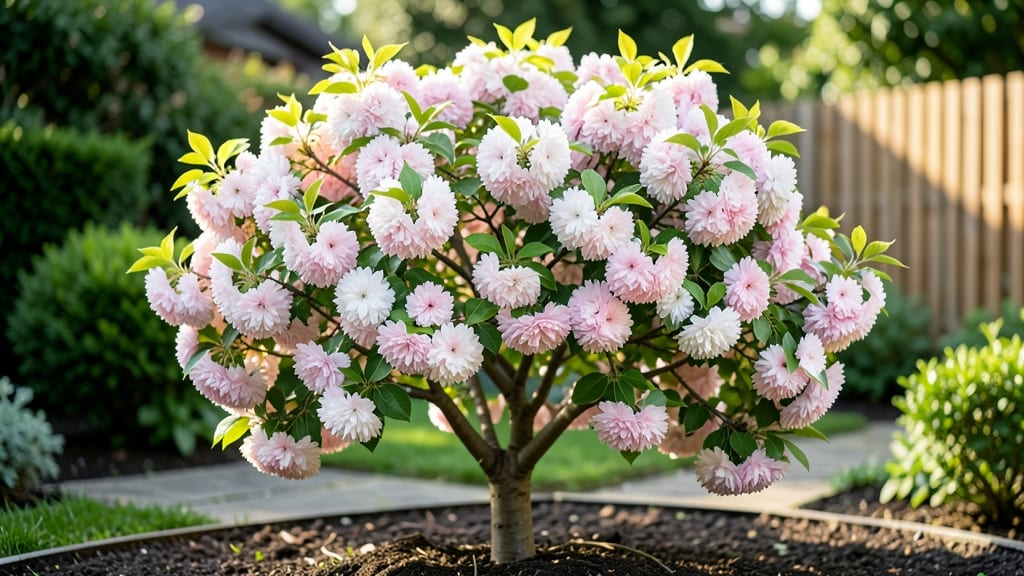
Your double bloom cherry tree could flower twice a year—spring and fall—if you prune it right. 🌸 I’ve watched my ‘Stella Rosa’ go from a single burst of pink in May to a second wave in September, and the secret isn’t complicated: it’s about timing, cuts, and knowing which branches to keep.
Most gardeners miss the fall blooms because they don’t understand how to shape the tree for both seasons.
The magic happens in late winter or early spring, when you remove last year’s spent blossoms and thin out crowded branches. This isn’t about drastic cuts—just strategic ones to let light and air reach the center.
A sharp pair of pruners and a clean workspace are all you need, plus a little patience. Over-pruning kills the blooms; under-pruning chokes the tree. The goal is balance.
By summer, you’ll see fresh green shoots pushing out where you made your cuts, and by fall, those same branches will burst with flowers again. The tree stays healthier, too—less crowded means fewer pests and diseases. It’s like giving your cherry tree a spa day: less stress, more blooms.
Works for ‘Kanzan,’ ‘Stella Rosa,’ or any double-blooming cultivar. The key is consistency—prune the same way every year, and you’ll get that second floral show. Here’s how to do it without a single dead branch in sight.
📚 In This Guide
- What you need
- Instructions
- Tips and common mistakes
- Wrapping up and next steps
What you need
- ● Pruning shears: Sharp, bypass-style shears (for clean cuts). Recommended: Felco F-2 or similar (1 pair).
- ○ Loppers: For thicker branches (1.5"–2" diameter). Optional: Ratcheting loppers for ease.
- ● Pruning saw: For stubborn, thick branches (1–2" diameter). Recommended: Fiskars X7.
- ● Hand pruners: For precision work on small stems (1 pair).
- ● Gloves: Heavy-duty, cut-resistant gloves (1 pair).
- ● Disinfectant: 70% isopropyl alcohol or pruning sealant (small bottle).
- ● Ladder or step stool: For reaching higher branches (adjustable height, 6–10 ft).
- ○ Pruning paint/sealant (optional): To protect large cuts (small tube).
- ● Trash bags: For debris cleanup (2–3 large bags).
- ● Notebook & pen: To map out cuts and track progress.
- ● Timing: Prune during dormant season (late winter/early spring) or right after first bloom (avoid heavy pruning in summer).
- ● Weather: Choose a dry, overcast day to prevent stress on the tree.
- ● Tree health check: Inspect for pests/diseases before pruning. Pro tip: 💡 Remove only 15–25% of foliage per session to avoid shocking the tree.
Step-by-step pruning for a double bloom cherry tree
Here's how I coax my cherry tree into flowering twice yearly—no fancy tools, just smart cuts.
✂️ Step 1: Prune After First Bloom Cycle
Wait until 2-3 weeks after your first flush of flowers falls—this gives the tree time to set fruit and store energy. Grab your clean, sharp pruning shears and focus on removing any dead, crossing, or crowded branches first. These are the ones that steal energy from your blooms.
Next, look for branches that grew too vigorously last season—they'll be long and thin with small leaves. Cut these back by one-third to encourage bushier growth. I like to make cuts just above an outward-facing bud to keep the tree open and airy. This ensures sunlight reaches the center where next year's blooms will form.
☀️ Step 2: Thin Out Overcrowded Branches
Step back and examine your tree's structure. You're aiming for an open vase shape that lets light penetrate to the center. Remove any branches growing straight up or inward—they'll compete with your flowering branches. Cut these all the way back to the main trunk or a strong lateral branch.
Pay special attention to branches that rub against each other when the wind blows. These create wounds that invite disease. If you see any, cut the weaker of the two branches completely. You'll know you're doing it right when you can see light through the center of the tree—this is where your second bloom cycle will thrive.
🌱 Step 3: Light Summer Pruning for Second Bloom
About 6-8 weeks after the first bloom, do a light pruning session. This is where you encourage that second flush of flowers. Look for any new growth that's too leggy or growing in the wrong direction. Cut these back by one-quarter to stimulate branching.
Here's the thing—don't remove more than 25% of the tree's foliage in this session. You want to keep enough leaves to fuel photosynthesis for those second blooms. I usually just nip off the tips of the most vigorous shoots. This tells the tree "I want more flowers, not more leaves."
⏰ Step 4: Final Pruning Before Dormancy
When your tree has completely lost its leaves and temperatures drop below 40°F at night, it's time for the final pruning of the year. This is your chance to shape the tree for next season's blooms. Remove any branches that didn't produce well this year—they're probably too old or weak.
Also cut out any suckers growing from the base or trunk. These sap-sucking growths drain energy from your flowering branches. Make your cuts at a 45-degree angle just above a bud that faces outward. This ensures next year's growth will be strong and well-placed for maximum blooms.
🪴 Step 5: Year-Round Maintenance Checks
Every 4-6 weeks during growing season, do a quick inspection walk. Look for any branches that are growing too fast or in the wrong direction. A simple one-third reduction of these shoots will keep your tree balanced. I make these cuts on dry days when the tree isn't stressed.
Here's my pro tip: Always sterilize your pruning tools between cuts with rubbing alcohol. This prevents spreading disease from one cut to the next. And remember, the goal is to create an open, airy structure—this isn't about making your tree look like a topiary, it's about creating the perfect conditions for double blooming.
Tips & tricks for perfect double bloom cherry tree pruning
These simple secrets will help you coax your cherry tree into flowering twice yearly—no guesswork, just smart cuts.
Timing is Everything: The 2-3 week window after your first bloom cycle isn't arbitrary—this gives your tree time to store energy for next season's flowers. If you prune too soon, you're cutting off potential fruit production. I've learned the hard way that rushing this step means fewer blooms later. Mark your calendar after the first flowers fall to remember this critical timing.
Bud Direction Matters: Always make cuts just above an outward-facing bud. This ensures new growth will angle outward, creating that open vase shape we're aiming for. I use a simple trick: imagine drawing a line from the bud to the center of the tree—if it points outward, you're golden. This simple technique prevents future crowding and makes pruning easier in subsequent years.
Light Summer Pruning Strategy: When you do your light summer pruning at 6-8 weeks after the first bloom, focus on the tips of vigorous shoots rather than major branch cuts. This stimulates branching without removing too much foliage. Think of it like giving your tree a haircut—just enough to shape it, not enough to bald it. The goal is to maintain that 25% foliage limit while encouraging more flowering sites.
Sucker Control: Those ugly suckers growing from the base or trunk? Don't ignore them! They're energy vampires that drain resources from your flowering branches. Cut them out completely at the base during your final pruning session. I make these cuts at a 45-degree angle just above an outward-facing bud to encourage strong new growth in the right direction. This simple habit makes a huge difference in your tree's overall health and flowering potential.
Pro Tips for Double Bloom Cherry Tree
- These simple secrets will help you coax your cherry tree into flowering twice yearly—no guesswork, just smart cuts.
- Timing is Everything: The 2-3 week window after your first bloom cycle isn't arbitrary—this gives your tree time to s...
- Bud Direction Matters: Always make cuts just above an outward-facing bud. This ensures new growth will angle outward,...
Frequently asked questions
Got questions about nurturing your double bloom cherry tree? You’re not alone! Here are answers to the most common queries—from pruning timing to troubleshooting—so you can keep those stunning blooms coming year after year.
Q: When is the best time to prune a double bloom cherry tree for maximum flowers?
Prune your tree after the second bloom cycle (late spring to early summer) to avoid cutting off next year’s buds. Light shaping can also happen in late winter while the tree is dormant, but avoid heavy pruning—this can reduce spring blooms. Think of it as a gentle haircut, not a buzz cut!
Q: Can I prune a double bloom cherry tree in winter? What if it’s still cold?
Winter pruning is possible in mild climates (USDA Zones 7-9), but wait until late winter when temperatures stabilize above freezing. If your area gets harsh freezes, delay until early spring. Never prune during a frost or snow—damaged wood won’t heal well, and you might stress the tree. Patience pays off!
Q: Why isn’t my double bloom cherry tree flowering as much as it should?
Several factors could be at play:
- Over-pruning: Heavy cuts remove flower buds. Stick to <15% of the canopy per year.
- Poor nutrition: Lack of phosphorus (P) or potassium (K) can stunt blooms. Use a balanced fertilizer in early spring.
- Stress: Drought, pests, or disease weaken the tree. Ensure it gets consistent moisture and monitor for issues.
Q: Are double bloom cherry trees high-maintenance? What alternatives exist?
They’re moderate-maintenance: regular pruning, watering, and fertilizer keep them thriving. For lower-upkeep options, consider:
- Kwanzan cherry (single bloom but disease-resistant)
- Yoshino cherry (double bloom, but needs similar care)
- Ornamental plum trees (e.g., ‘Okame’—tolerates pruning better)
Q: How do I fix over-pruned branches? Can I save my tree?
Don’t panic! If you’ve over-pruned, focus on recovery pruning:
- Leave at least 3-4 healthy branches per main stem to support regrowth.
- Apply a balanced fertilizer (10-10-10) in spring to boost recovery.
- Water deeply 1-2 times per week during dry spells.
Wrapping up and next steps
Transforming your double bloom cherry tree into a year-round floral masterpiece is entirely within reach with the right pruning techniques! By mastering seasonal trims, balancing growth, and nurturing its health, you’ll unlock a cascade of stunning blossoms twice a year—and maybe even more. 🌸
Ready to see your tree thrive? Start by scheduling your next pruning session—whether it’s a light spring cleanup or a winter shaping**—and watch your garden bloom with newfound confidence! 🌿✨