
Blooming
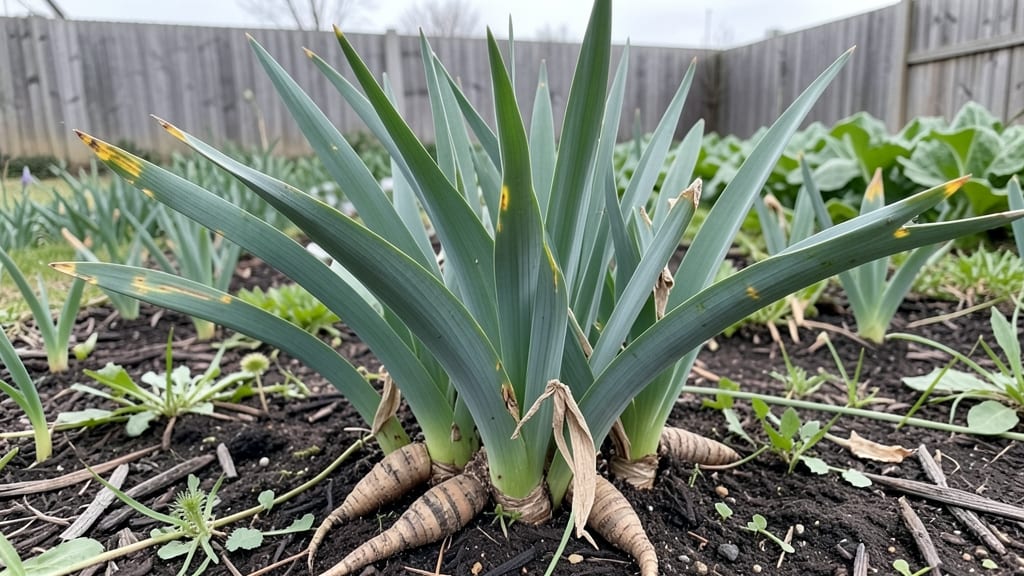
Your irises didn't bloom this year, and I get it—those velvety petals are worth the wait. 🌿 After years of struggling with my own non-blooming irises, I discovered the three key factors that finally brought them back to life: soil that drains like a dream, sunlight that hits just right, and a feeding schedule that keeps them energized.
The good news? Fixing these issues is simpler than you think, and you’ll see buds forming within a season.
Most gardeners overlook soil drainage, but irises hate soggy roots. Amend heavy clay with coarse sand or gritty compost to let water flow through. They also need full sun—at least 6 hours daily—and a balanced fertilizer in early spring before new growth appears.
My irises now produce dozens of blooms each year after these adjustments, and the secret isn’t complicated.
Start by checking your soil’s moisture—it should dry out between waterings. Trim dead foliage in late summer to redirect energy to next year’s blooms, and avoid over-fertilizing, which can lead to leafy growth but no flowers.
With these tweaks, you’ll be snapping photos of your irises in full glory by next summer.
This works for both bearded and Siberian irises, whether you’re in a sunny border or a container. The key is consistency—once you adjust these factors, your irises will thank you for years to come. Let’s get those blooms back!
Root Causes Behind Missing Blooms
If your irises are standing tall but refusing to burst into color, the issue likely stems from one or more of these science-backed factors. Understanding the why behind the problem is the first step to bringing those dramatic blooms back to life.
Let’s dig into the real culprits—and how they sabotage your irises’ flowering cycle.
🌱 Insufficient Light Exposure
Irises are sun worshippers, and they demand full sunlight (6–8+ hours daily) to trigger blooming. When deprived of adequate light, they shift energy toward leaf growth instead of flower buds.
- Why it happens: Photosynthesis slows in low light, reducing the plant’s ability to produce florigen—the hormone that signals blooming. Shady spots also delay vernalization (the cold period irises need to "wake up" their buds).
- Actionable fix:
- Relocate clumps to south- or west-facing beds where light isn’t blocked by trees or structures.
- Prune nearby overgrown plants to increase sunlight penetration by at least 30%.
- Use reflective surfaces (like white gravel or mirrors) to bounce extra light onto shaded areas.
❄️ Missing Cold Period (Vernalization)
Irises need a cool winter dormancy to reset their biological clock. Without it, they stay in a "holding pattern," skipping bloom signals.
- Why it happens: Warm winters (or artificial heat from mulch/potted setups) prevent the 50–60°F (10–15°C) chilling period required to activate flowering genes. This is especially true in USDA Zones 8–10 or greenhouses.
- Actionable fix:
- Plant bare-root irises in fall (6–8 weeks before first frost) to ensure natural cold exposure.
- For potted irises, move them to an unheated garage or shed during winter (but protect from freezing temps).
- In mild climates, simulate cold by storing pots in a fridge at 35–40°F (2–4°C) for 6–8 weeks before spring.
💧 Over- or Underwatering
Water stress—whether too much or too little—throws irises into survival mode, halting bloom production.
- Why it happens:
- Overwatering: Soggy soil drowns roots, cutting off oxygen and suffocating beneficial microbes that help nutrient uptake. This leads to rot and stunted growth.
- Underwatering: Drought stress forces irises to conserve energy, prioritizing root/leaf growth over flower buds. It also reduces pollen viability, even if buds form.
- Actionable fix:
- Water deeply 1–2 times per week (or when top 2" of soil is dry) to encourage deep root growth.
- Improve drainage by amending soil with sand or perlite (aim for 60% sand in heavy clay).
- Avoid wetting foliage to prevent fungal diseases like iris borer (which also kills blooms).
🌿 Nutrient Imbalances
Irises are light feeders, but specific nutrient deficiencies can starve them of the energy needed for blooms.
| Deficiency | Symptoms | Why It Stops Blooms | Fix It |
|---|---|---|---|
| Phosphorus (P) | Purple-tinged leaves, weak stems, small/no buds | Phosphorus fuels energy transfer for flower development. Low P = no blooms. | Apply bone meal (5–10 lbs per 100 sq ft) in early spring. |
| Potassium (K) | Yellowing leaf edges, stunted growth, poor bud formation | Potassium regulates enzyme activity for flowering hormones like florigen. | Use wood ash or greensand (1 cup per plant) in late winter. |
| Nitrogen (N) Excess | Lush leafy growth but no flowers | Too much N promotes foliage at the expense of blooms by skewing energy toward leaves. | Switch to a low-N, high-P/K fertilizer (e.g., 5-10-10 ratio). |
Pro Tip: 💡 Test your soil’s pH (ideal: 6.0–7.0)—acidic soil (<6.0) locks out phosphorus, while alkaline soil (>7.5) reduces iron/manganese, both critical for blooms.
🐛 Pests & Diseases
Hidden invaders can devour buds, roots, or foliage, leaving irises too damaged to bloom.
- Why it happens:
- Iris Borer: Larvae tunnel through rhizomes, cutting off nutrients and causing rot.
- Fungal Leaf Spot: Discolors leaves, reducing photosynthesis and energy for flowers.
- Slugs/Snails: Munch on buds before they open.
- Actionable fix:
- Inspect rhizomes in early spring—dig up and discard infested ones. Treat healthy ones with neem oil.
- Apply copper fungicide in wet seasons to prevent leaf spot.
- Set out beer traps or diatomaceous earth to deter slugs.
Remember: Irises are perennials—they’ll bounce back if you address the root cause! Start with light, cold, and water, then tweak nutrients and pests. 🌸
Reviving Your Irises: Step-by-Step Fixes
If your irises refused to bloom this season, don’t despair—your garden isn’t doomed. With the right approach, you can coax those striking purple, blue, or white flowers back to life.
Below, we’ve mapped out science-backed solutions tailored to the most common causes, along with prevention tips to keep your irises thriving for years to come.
🌱 Fixing Poor Soil Conditions
Irises need well-draining, slightly alkaline soil to flourish. If your soil is too dense, waterlogged, or nutrient-poor, blooms may never appear.
🔥 Amend the Soil Properly
- Test your soil: Use a DIY soil test kit (available at garden centers) to check pH and drainage. Irises prefer a pH between 6.5–7.5.
- Improve drainage: If your soil stays soggy, mix in sand or perlite (1 part sand to 3 parts soil) or plant irises on a slight mound to encourage runoff.
- Add organic matter: Work in compost or well-rotted manure to replenish nutrients without overfeeding (too much nitrogen = fewer blooms!).
💡 Prevention Tip:
Mulch lightly with pine needles or coarse bark to maintain soil acidity naturally. Avoid heavy mulch, which can suffocate roots.
Irises crave full sun (6+ hours daily) and the right spot in your landscape. Shade or competition from other plants can stunt blooms.
🍳 Relocate or Prune Strategically
- Move to sunnier ground: If possible, transplant irises to a south- or west-facing area. Dig up clumps in early fall or spring, ensuring the rhizomes (thick roots) sit above soil level.
- Thin out overcrowded patches: Dig up and divide clumps every 3–4 years to prevent competition. Discard old, woody rhizomes.
- Trim aggressive neighbors: If trees or shrubs are stealing sunlight, prune them back in late winter.
🌡️
Prevention Tip:
Plant irises where they won’t be shaded by future growth. Avoid placing them under fast-growing trees like willows or poplars. Too much or too little water can stress irises, leading to skipped blooms. These plants are drought-tolerant but hate soggy feet.👨🍳
Adjust Your Watering Routine
- Water deeply but infrequently: Irises need 1 inch of water per week, delivered at the base (not overhead). Let soil dry between waterings.
- Avoid wetting the foliage: Fungal diseases like iris borer thrive in damp leaves. Water early in the day so leaves dry quickly.
- Drain excess moisture: If your garden floods, create a raised bed or install a French drain nearby.
✨ Prevention Tip:
Install a drip irrigation system on a timer to deliver consistent moisture without overwatering.
Iris borers, aphids, and fungal infections can weaken plants, causing them to skip blooming. Early intervention is key!
🔪 Treat Infestations Naturally
- Spot iris borers: Look for sawdust-like frass (insect waste) on leaves or chewed stems. Handpick larvae or spray with neem oil in late summer.
- Fight aphids: Blast off aphids with a strong stream of water or introduce ladybugs (natural predators).
- Prevent fungal issues: Remove dead leaves and blooms in fall to reduce spores. Apply copper fungicide if you see rust or leaf spot.
🎯
Prevention Tip:
Plant garlic or chives nearby—their scent repels many iris pests naturally. Old iris rhizomes (over 5+ years) produce fewer blooms as energy goes into maintaining large clumps instead of flowers.🌿
Divide and Revitalize
- When to divide: Do this in early spring or fall, when the plant isn’t actively blooming.
- How to divide:
- Dig up the entire clump and gently separate rhizomes with a knife.
- Discard small, weak, or mushy rhizomes (they won’t regrow).
- Trim leaves to 6 inches tall and roots to 4–5 inches.
- Replant immediately, ensuring the top of each rhizome is exposed (not buried).
- Fertilize lightly: After dividing, use a low-nitrogen, high-phosphorus fertilizer (like 5-10-10) to encourage blooming.
💡 Prevention Tip:
Divide irises every 3–4 years to keep them vigorous. Younger rhizomes bloom more reliably!
With these targeted fixes, your irises should bounce back stronger next season. Remember: patience is key—some varieties take 2–3 years to rebound after stress. Happy gardening! 🌸
Frequently asked questions
Why do my irises keep producing leaves but no blooms?
This usually happens when your irises are getting too much nitrogen from fertilizer, which encourages leafy growth at the expense of flowers. Switch to a low-nitrogen, high-phosphorus fertilizer (like 5-10-10 ratio) in early spring to redirect energy toward blooms. Overwatering or planting in too-shady spots can also starve them of the energy needed for flowers.
How can I tell if my irises need more sunlight?
If your irises are growing tall but leggy with sparse foliage, they’re likely craving more light. Check if they’re in a spot with less than 6 hours of direct sunlight daily. Move them to a south- or west-facing area, or thin out nearby plants blocking sunlight. You’ll see a difference in just 2-3 weeks!
What’s the best way to divide overcrowded iris clumps?
Divide irises in early spring or fall when they’re dormant. Dig up the clump, separate the rhizomes with a knife, and discard any mushy or small ones. Trim leaves to 6 inches and replant with the tops exposed. This refreshes the plant and encourages more vigorous blooming next season.
Can I save my irises if they’ve been neglected for years?
Even neglected irises can bounce back with the right care. Start by improving drainage, giving them full sun, and dividing old clumps. Use a balanced fertilizer in spring and monitor for pests. With patience, you’ll see blooms within 1-2 years—irises are hardy perennials!
Why do my irises bloom poorly in warm climates?
Irises need a cool winter dormancy (around 50-60°F) to trigger blooming. In warm climates, they may skip blooms without this chill. Try planting in fall for natural cold exposure, or store potted irises in a fridge at 35-40°F for 6-8 weeks before spring.