
Blooming
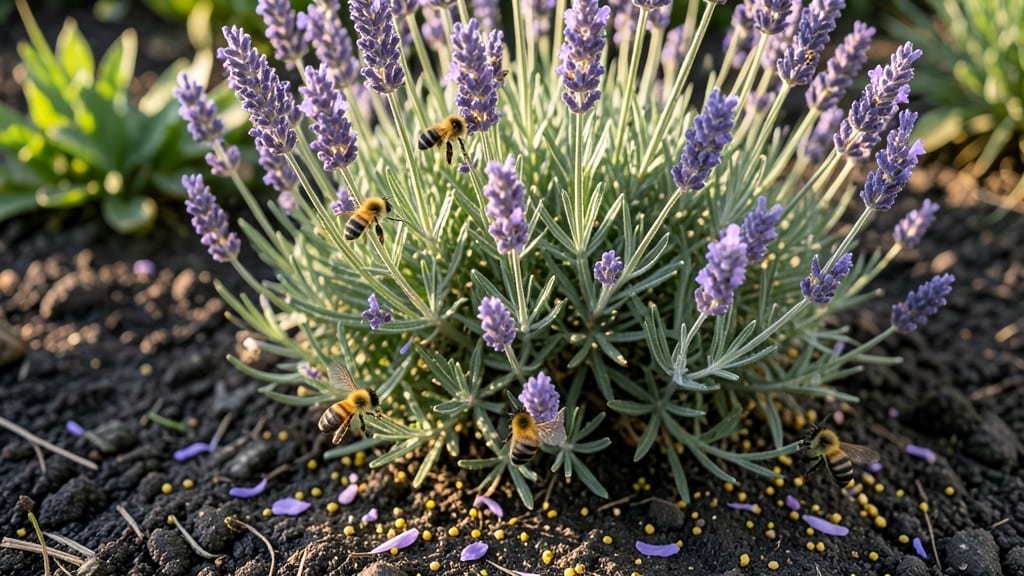
A bloom-and-bee garden isn’t just a pretty patch—it’s a thriving ecosystem where every flower serves double duty. 🌸 I designed mine after watching bees vanish from my neighbor’s yard, and within weeks, my garden became their favorite stop.
The secret lies in choosing perennials that rebloom naturally while packing in nectar and pollen. Start with lavender, coneflowers, and clover—these workhorses attract bees year after year with minimal effort. Mix in sunflowers for height and salvias for late-season color, then layer in native wildflowers for local pollinators.
The key is color contrast: purple and yellow combinations signal bees better than single hues, and clumps of the same plant create landing pads. By midsummer, you’ll see bees buzzing from dawn till dusk, and your garden will burst with fragrant blooms that last all season.
Add a shallow water source—a saucer with pebbles—and watch pollinators linger. This isn’t just gardening; it’s rewilding your space, one bloom at a time. Works in sunny borders, container combos, or even small urban plots. The best part? Once established, these perennials multiply and thrive with almost no maintenance.
Let’s get your garden buzzing!
📚 In This Guide
- What you need
- Instructions
- Tips and common mistakes
- Wrapping up and next steps
What you need
- ● Perennial plants (reblooming varieties): 3–5 Coneflower (Echinacea) (e.g., 'Magnus' or 'White Swan')
- ● 3–5 Bee Balm (Monarda) (e.g., 'Jacob Cline' or 'Marshall's Delight')
- ● 3–5 Black-Eyed Susan (Rudbeckia) (e.g., 'Goldsturm')
- ● 3–5 Russian Sage (Perovskia) (e.g., 'Blue Spire')
- ● 3–5 Salvia (Salvia nemorosa) (e.g., 'May Night' or 'Hot Lips')
- ● Potting soil: 1–2 bags (high-quality, well-draining mix)
- ● Compost or organic fertilizer: 1 bag (for nutrient boost)
- ● Mulch: 1–2 bags (straw or shredded bark to retain moisture)
- ● Watering can or hose: (with adjustable nozzle for gentle watering)
- ● Garden trowel or hand shovel (for planting)
- ● Gloves (to protect hands from soil and thorns)
- ● Pruning shears (for deadheading and shaping)
- ● Measuring tape or ruler (to space plants 12–24" apart)
- ● Sunlight access: 6+ hours of direct sun daily
- ● Well-draining soil: Amend clay soil with sand or compost if needed
- ● Pollinator-friendly seed bombs (to attract bees naturally)
- ● Decorative stones or pebbles (for garden borders)
- ● Drip irrigation system (for low-maintenance watering)
- ● Plant markers (to track varieties)
- ● Bee water station (a shallow dish with pebbles and water)
How to design a fragrant reblooming pollinator garden
Here's the method I've used for years to create gardens that keep blooming, attracting bees season after season.
🌱 Step 1: Select the Right Perennial Combinations
Choose plants known for both fragrance and reblooming tendencies. My go-to group includes lavender (which thrives in poor soil and full sun), Russian sage (drought-tolerant and loved by bees), and coneflowers (which self-seed reliably). I always include at least one bee balm variety for its vibrant colors and nectar-rich blooms.
For early season interest, I add catmint and salvia—both bloom in late spring and continue through summer. The key is selecting varieties with staggered bloom times so your garden never loses its pollinator appeal. I avoid single-season bloomers like peonies—they're beautiful but won't support bees year-round.
☀️ Step 2: Plan for Full Sun Exposure
Most fragrant, reblooming perennials need at least 6 hours of direct sunlight daily. I mark my sunniest spots with flags before planting to ensure each variety gets its required light. Russian sage and lavender actually prefer full sun (8+ hours)—they'll get leggy and sparse if shaded.
For areas with only partial sun (3-6 hours), I select shade-tolerant options like purple coneflower or black-eyed Susan. The trick is grouping plants with similar light needs together—this prevents the "hot spots" that cause uneven growth. I always check the plant tags for light requirements before purchasing.
💧 Step 3: Prepare Well-Draining Soil
Fragrant perennials often struggle in heavy, compacted soil. I always amend my garden beds with 2-3 inches of compost mixed into the top 6 inches of soil. For particularly clay-heavy areas, I add sand or perlite to improve drainage—waterlogged roots kill reblooming plants faster than anything.
I test soil pH before planting, aiming for 6.0-7.0—most pollinator favorites thrive in this neutral range. If your soil tests acidic, a sprinkle of lime works wonders. The goal is soil that crumbles easily when dry and holds moisture without becoming soggy. I never plant until the soil feels warm to the touch in spring.
🌿 Step 4: Plant With Spacing for Airflow
Proper spacing prevents fungal diseases that can stop reblooming. I plant lavender and Russian sage 18-24 inches apart—they need room to develop their woody stems. Coneflowers and bee balm get 12-18 inches of space, while catmint can handle 10-12 inches between plants.
I arrange plants in odd-numbered groupings (3, 5, or 7) for natural-looking clusters. The outer plants should touch when mature—that's your visual cue for proper spacing. I always plant slightly deeper than the container level to encourage strong root development. Water deeply after planting to settle the soil around roots.
✂️ Step 5: Maintain Through Seasonal Care
Deadheading spent blooms encourages continuous flowering. I use clean pruners to snip just above the first set of healthy leaves—this prevents the plant from putting energy into seed production. For Russian sage and lavender, I do a light trim after first bloom to promote a second flush of flowers.
In late fall, I cut back woody perennials like lavender and Russian sage to 6-8 inches above ground. This prevents them from becoming too leggy and ensures fresh growth in spring. I leave coneflower seed heads overwinter for birds and early pollinators. Fertilize lightly in spring with 10-10-10—too much nitrogen reduces flowering.
Tips & tricks for perfect fragrant perennial gardens
Here's what I've learned after years of creating gardens that never stop blooming—and bees never stop visiting.
Plant Selection Strategy: When choosing your lavender and Russian sage, opt for named varieties like 'Munstead' or 'Berggarten'—they're the most vigorous rebloomers. I've found that bee balm varieties with red flowers (like 'Jacob Cline') attract more bees than pink ones. For coneflowers, the 'Magnus' cultivar produces the most blooms per stem. These specific choices make all the difference in continuous flowering.
Sunlight Mapping: Use a simple garden flag system to mark your sunniest spots before planting. I place flags every 3 feet in areas with 8+ hours of sun for my lavender and Russian sage, and every 4 feet for 6-hour sun zones where coneflowers thrive. This visual guide prevents the common mistake of planting sun-lovers in shade. The flags also help visualize how plants will mature and shade each other over time.
Soil Preparation Secret: For clay-heavy soils, I mix in equal parts compost and coarse sand (about 2 inches each) before planting. This creates the perfect crumbly texture that retains moisture without suffocating roots. I always test soil pH first—if it's below 6.0, a handful of pelletized lime mixed into the top 6 inches works wonders. The goal is soil that feels like a damp sponge when squeezed.
Reblooming Maintenance: The key to continuous blooms is consistent deadheading. I use clean pruners to snip just above the first set of healthy leaves on bee balm and catmint every 2-3 weeks during peak bloom. For Russian sage, I do a light trim after the first flush of flowers to encourage that second bloom. This simple habit prevents energy from going to seed production and keeps your garden looking fresh all season.
Pro Tips for Bloom And Bee
- Here's what I've learned after years of creating gardens that never stop blooming—and bees never stop visiting.
- Plant Selection Strategy: When choosing your lavender and Russian sage, opt for named varieties like 'Munstead' or 'Berggarten'—they're the most vigorous rebloomers.
- Sunlight Mapping: Use a simple garden flag system to mark your sunniest spots before planting.
Frequently asked questions
Got questions about creating your own bloom and bee garden? You’re not alone—many gardeners wonder how to maximize fragrance, attract pollinators, and keep plants thriving. Here are answers to the most common queries to help you grow a stunning, low-maintenance garden that blooms all season long!
What are the best fragrant perennials for a bloom-and-bee garden?
Start with lavender, bee balm, coneflowers, and Russian sage—these are top picks for their strong scents and pollinator appeal. For extra fragrance, add dame’s rocket or catmint. Choose native plants when possible, as they’re best adapted to local bees and butterflies!
How long does it take for these perennials to bloom and rebloom?
Most perennials in a bloom-and-bee garden take 1–2 years to establish and start flowering vigorously. Once rooted, many (like black-eyed Susans or shasta daisies) rebloom naturally if deadheaded or pruned back in early spring. Plan for seasonal interest—some bloom in spring, others in summer or fall!
Will these plants really attract bees? What if I don’t see them right away?
Bees love nectar-rich flowers like bee balm and lavender, but it may take 2–4 weeks after planting for them to notice. Avoid pesticides, provide water sources (like a shallow dish with pebbles), and plant in sunny spots (6+ hours/day). Patience pays off—once established, your garden will buzz with activity!
Can I grow a bloom-and-bee garden in containers or small spaces?
Opt for compact perennials like dwarf lavender, miniature coneflowers, or thyme in pots. Use well-draining soil and containers with drainage holes. For vertical space, try clematis or honeysuckle on trellises. Just ensure containers get enough sunlight and water—container plants dry out faster!
What should I do if my perennials aren’t reblooming as expected?
Check for these common issues:
- Overcrowding: Thin out plants if they’re too dense.
- Poor pruning: Deadhead spent blooms or prune back in early spring.
- Nutrient deficiency: Add compost or a balanced fertilizer in early spring.
- Wrong location: Move to sunnier spots if flowers are sparse.
Wrapping up and next steps
Creating your own Bloom and Bee garden is a rewarding way to support pollinators while enjoying stunning, low-maintenance perennials. These fragrant, reblooming plants not only beautify your space but also foster biodiversity—making your garden a thriving ecosystem. 🌸🐝
Ready to take the next step? Start small—plant a few of these resilient perennials in your yard or even in containers. Watch as your garden transforms into a vibrant haven for bees, butterflies, and you! Happy gardening!