
Flowers
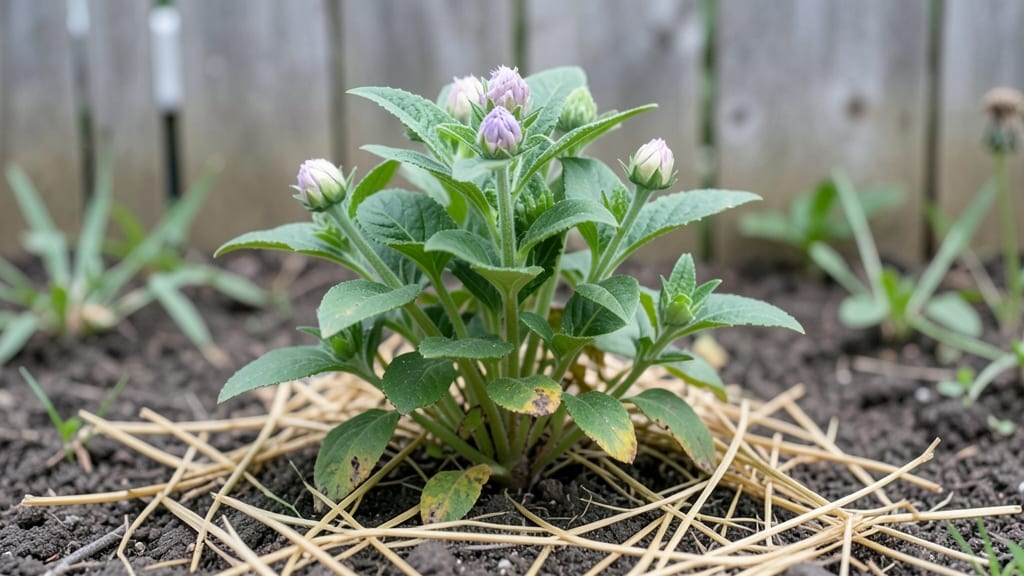
Recognizing impatiens 🌸 before they bloom is the secret to coaxing those showstopping summer flowers you’ve been dreaming of.
If your impatiens plants are struggling to bloom—or you’re not sure what healthy early growth even looks like—you might be missing key clues in their leaves and stems.
These subtle signs, from leaf color to growth rate, tell you exactly what your plants need to thrive before the first blossoms appear.
In Zone 6a, where spring temperatures finally warm after the last frost, impatiens need the right balance of light, water, and nutrients to build strong roots and sturdy stems. Get it wrong, and you’ll end up with leggy, weak plants that never produce those vibrant blooms.
Below, I’ll walk you through how to spot the early stages of impatiens growth, the critical care steps to encourage blooming, and the common mistakes that derail even the most eager gardeners.
How to identify impatiens before they bloom: key growth stages explained
Identifying impatiens 🌸 before they bloom starts with understanding their early growth patterns. These delicate plants reveal their health through subtle cues in their leaf shape, stem strength, and growth rate.
In Zone 6a, where spring temperatures finally stabilize, recognizing these signs early ensures your impatiens develop the sturdy foundation needed for vibrant blooms.
Young impatiens seedlings often look like tiny, heart-shaped leaves with smooth edges and a slightly waxy texture. Their first true leaves appear after the initial cotyledons, and these are your first clue that the plant is establishing itself.
Pay close attention to the color and pattern—healthy leaves should be a rich, deep green, not pale or yellowing.
| Growth Stage | Key Features | Health Indicators |
|---|---|---|
| Seedling (0-2 weeks) | Heart-shaped leaves, 0.5-1 inch tall | Deep green leaves, firm stems |
| Vegetative (3-6 weeks) | Leaves 1-2 inches, bushy growth | Bright green leaves, rapid stem thickening |
| Pre-Bloom (6-8 weeks) | Bud formation, 6-12 inches tall | Firm buds, no yellowing leaves |
| Mature (8+ weeks) | Full foliage, 1-2 feet tall | Thick stems, vibrant buds ready to open |
One of the most common mistakes is confusing impatiens seedlings with weeds or other small plants. Look for the distinct heart-shaped leaves and delicate stems—these are telltale signs.
If your seedlings have serrated edges or hairy stems, they’re likely not impatiens. Early identification helps you thin seedlings properly, ensuring stronger plants that bloom sooner.
Healthy impatiens before blooming should also exhibit consistent growth patterns. If your plants are growing too slowly, check their light exposure—they need 4-6 hours of bright indirect light daily.
Too little light leads to leggy stems and pale leaves, while too much direct sun can scorch the delicate foliage. Place them near an east or north-facing window for ideal conditions.
Another key indicator of health is the leaf surface texture. Healthy impatiens leaves feel slightly leathery and smooth. If you notice yellow spots, crinkling, or sticky residue, your plant may be suffering from pests like aphids or fungal diseases.
Act quickly by isolating the plant and treating it with neem oil or insecticidal soap to prevent spread.
Pay attention to the root system when transplanting seedlings. Impatiens have delicate roots that can break easily, so handle them with care. If you see blackened or mushy roots, it’s a sign of overwatering or root rot.
Always use well-draining soil mixed with perlite or compost to keep roots healthy and encourage strong growth before blooming.
In Zone 6a, timing is everything. Plant impatiens after the last frost date (typically mid-April) when soil temperatures reach at least 60°F. If planted too early, cold soil can stunt root growth, delaying blooming. Use row covers if nighttime temperatures dip below 50°F to protect young plants.
Finally, observe the growth rate of your impatiens. Healthy plants should grow about 1-2 inches per week in ideal conditions. If growth slows or stops, it could signal nutrient deficiencies, poor soil quality, or competing weeds.
Feed your plants with a balanced 10-10-10 fertilizer every 4-6 weeks to ensure they have the nutrients needed for robust pre-bloom development.
By mastering these early identification cues and care strategies, you’ll set your impatiens up for a showstopping bloom season. Keep an eye on those heart-shaped leaves and delicate stems, and your garden will soon be bursting with color! 🌿
5 Essential care tips to encourage stronger pre-bloom growth
Now that you can identify your impatiens 🌸 at their earliest stages, it's time to focus on the critical care steps that will transform those delicate seedlings into robust, blooming powerhouses.
The pre-bloom phase is where you lay the foundation for vibrant flowers, and small adjustments in your care routine can make a huge difference. Let's dive into the five essential tips that will ensure your impatiens develop strong stems and lush foliage before they burst into color.
Impatiens thrive when given the right balance of light, water, and nutrients. Unlike many flowers that tolerate full sun, impatiens prefer bright indirect light—think of it as their version of a cozy reading nook.
Too much direct sun can scorch their delicate leaves, while too little light leads to leggy, weak growth. Position your plants near an east or north-facing window or under a light sheer curtain to filter harsh afternoon rays while still providing enough brightness for photosynthesis.
- 1. Light Exposure: Provide 4-6 hours of bright indirect light daily. Use sheer curtains to diffuse harsh sunlight.
- 2. Watering: Keep soil consistently moist but never soggy. Water in the morning to prevent fungal diseases.
- 3. Soil Nutrition: Use well-draining soil mixed with compost and a balanced 10-10-10 fertilizer every 4-6 weeks.
- 4. Spacing: Plant seedlings 12-18 inches apart to allow air circulation and reduce disease risk.
- 5. Pruning: Pinch back leggy stems to encourage bushier growth and stronger flowering.
Consistent watering is another non-negotiable for impatiens. These plants love moisture but hate soggy roots, which can lead to root rot and stunted growth. Water your impatiens in the early morning to allow excess moisture to evaporate during the day.
Aim to keep the soil consistently moist—about an inch deep—without letting it become waterlogged. A simple trick is to stick your finger into the soil; if the top inch feels dry, it's time to water.
Mulching around the base of your plants with organic mulch helps retain moisture and keeps roots cool during hot afternoons.
Don't overlook the power of nutrient-rich soil. Impatiens thrive in well-draining, fertile soil with a slightly acidic pH between 6.0 and 6.5. Before planting, mix your garden soil with compost or aged manure to provide essential nutrients.
During the growing season, feed your plants with a balanced 10-10-10 fertilizer every 4-6 weeks to support their rapid growth. For container-grown impatiens, use a slow-release fertilizer to avoid overfeeding, which can burn delicate roots.
Proper spacing is often overlooked but plays a crucial role in pre-bloom growth. Crowded plants compete for nutrients and light, leading to weak stems and poor flowering.
Space your impatiens seedlings 12-18 inches apart to allow for good air circulation, which reduces the risk of fungal diseases like powdery mildew.
If you're growing impatiens in containers, choose pots that are at least 6-8 inches deep to accommodate their root systems and provide stability for their top-heavy foliage.
Finally, don't forget the power of pruning and pinching. As your impatiens grow, you may notice some stems becoming leggy or overcrowded. Pinch back the tips of these stems just above a set of leaves to encourage bushier growth and more compact plants.
This simple technique not only makes your impatiens look fuller but also promotes the development of stronger stems and more buds. Regular pruning throughout the growing season will keep your plants healthy and ready to burst into vibrant blooms.
By following these five essential care tips, you'll give your impatiens the best possible start before they bloom. Pay close attention to their light needs, watering routine, and nutrient levels, and you'll be rewarded with a garden bursting with colorful, long-lasting flowers. Happy gardening! 🌿