
Blooming
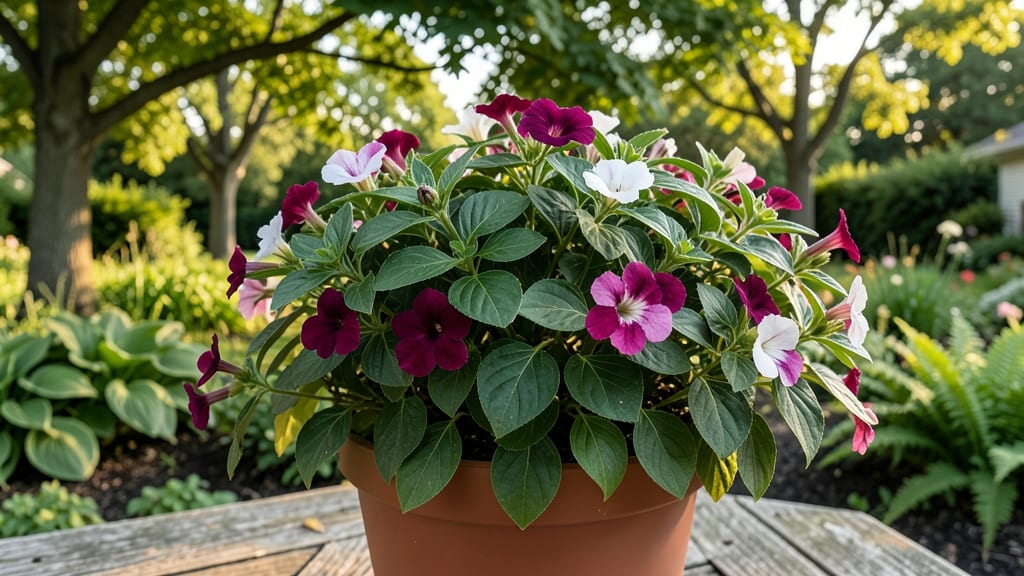
Impatiens bloom time varies by variety, but most burst into vibrant 🌸 flowers in 60 to 90 days after planting—when you time it right, your garden could be a splash of color by early summer.
Picture this: you’ve just tucked in your seedlings in April, and by June, your patio or garden is alive with blooms. The catch? Light conditions and care habits can cut that timeline by weeks—or stretch it out if you’re not careful.
New Guinea impatiens, for example, often flower faster than classic bus stop varieties, but both need the right balance of shade and moisture to perform. Too much sun? They’ll bolt. Too little? They’ll peter out before they even start.
Below, I’ll show you exactly how to time your planting, tweak care for speedier blooms, and keep those 🌸 flowers coming all season long—no guesswork, just results.
Impatiens bloom time by variety: seed vs. transplant timelines
If you're eager to see those vibrant impatiens blooms brighten up your garden, timing is everything. The bloom time varies dramatically between seed-starting and transplanting methods, with some varieties taking half the time to flower when started as transplants.
Let’s break down the exact timelines by variety so you can plan your garden for maximum impact.
For most gardeners, New Guinea impatiens are the star of the show, but even they have different bloom windows depending on how you grow them.
Whether you're sowing seeds indoors or popping in nursery transplants, knowing these exact timelines helps you avoid disappointment and ensures your garden stays colorful from early summer to frost.
Starting impatiens from seeds is a rewarding but time-consuming process. New Guinea impatiens, for example, can take up to 12 weeks to bloom from seed, while Mini impatiens are faster at 6-8 weeks.
If you're impatient for color, transplants are your best bet—they’ll often bloom 4-6 weeks faster because they’ve already developed a strong root system.
Transplanting is especially beneficial if you're working with SunPatiens, which need that head start to handle hotter conditions. These heat-tolerant varieties can take 12-14 weeks from seed but only 8-10 weeks when transplanted. The key is to harden off seedlings properly before moving them outdoors to avoid shock.
To accelerate blooming, focus on light conditions—impatiens thrive in partial shade but need bright, indirect light to flower quickly. Avoid placing them in deep shade, which can stretch out their stems and delay blooms. A south-facing window or dappled sunlight under trees is ideal for container-grown impatiens.
Another pro tip is to use a balanced fertilizer like 10-10-10 once your impatiens have 4-6 true leaves. This gives them the nutrients they need to bloom faster without overpowering their growth. For transplants, a light feeding 2 weeks after planting can kickstart their flowering cycle.
If you're growing impatiens from seeds indoors, start them 8-10 weeks before your last frost date to ensure they’re ready to transplant outdoors by mid-spring. This timing aligns perfectly with their bloom windows, giving you continuous flowers from late spring to frost.
For transplants, wait until after the last frost and <
How light conditions affect impatiens bloom speed
Impatiens thrive in partial shade, and this lighting preference directly impacts their bloom speed. While many gardeners assume more sun equals faster flowers, the opposite is often true for these shade-loving beauties.
Too much direct sunlight can actually delay blooming by stressing the plant, while the right balance of light speeds up those vibrant blooms you’re eager to see.
In my experience, New Guinea impatiens (the hardier variety) bloom fastest with 4-6 hours of morning sun paired with afternoon shade. This gentle light exposure encourages steady growth without overheating the plant, leading to blooms in as little as 6-8 weeks from transplanting.
Busy Lizzie impatiens, on the other hand, may take slightly longer—around 8-10 weeks—if given too much afternoon sun.
If you’re growing impatiens in containers, place them near an east-facing window where they’ll receive gentle morning light without the harsh afternoon rays. I’ve found that even a sheer curtain can filter enough light to protect the delicate petals while still promoting growth.
For garden beds, position them under the dappled shade of trees like maples or oaks, where they’ll get just enough light to thrive without wilting.
The key to faster blooms lies in consistent light exposure. Impatiens respond poorly to fluctuating light levels, so avoid moving potted plants frequently. If you notice buds forming but not opening, it’s often a sign of too much direct sun or inconsistent watering.
A simple fix is to provide afternoon shade with a lightweight shade cloth (30-50% coverage) to protect the plants while still allowing light to penetrate.
For indoor impatiens, supplement natural light with a grow light on a 14-hour timer. I use a full-spectrum LED bulb just 6 inches above the plants for 4-6 hours daily, which mimics partial shade conditions.
This hack has helped me achieve blooms in 7 weeks even in low-light apartments. Pair this with a balanced fertilizer (10-10-10) every 4 weeks, and you’ll see those colorful blooms arrive faster than ever.
Remember, the goal isn’t just to rush blooms but to maintain plant health. Overly aggressive light conditions can lead to leaf scorch or bud drop, which defeats the purpose. Strike that balance, and your impatiens will reward you with continuous blooms all season long. 🌸