
Blooming
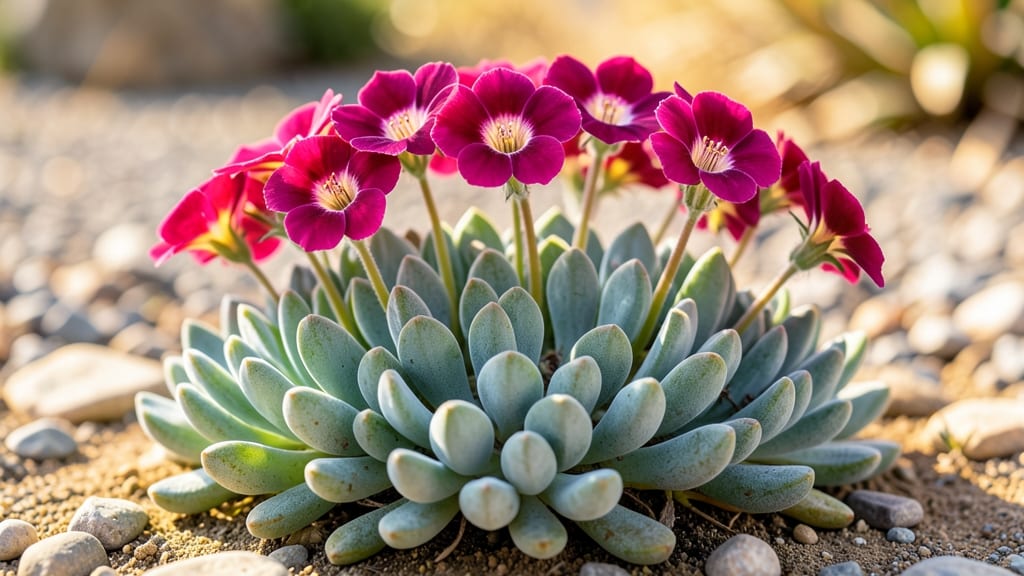
Ice plants bloom in spring and summer 🌵, but the exact timing depends on your USDA zone, sunlight, and even soil conditions.
If you’ve ever wondered why your ice plant (Delosperma or Drosanthemum) flowers seem to vanish overnight—or why some gardeners swear by spring blooms while others get summer bursts—your USDA zone might hold the answer.
In cooler regions like zone 6a, expect vibrant blooms to kick off as early as late April, triggered by warming soil and longer daylight. Warmer zones (7–11) often see a delayed but longer-lasting show, with some varieties flowering well into July or August.
Below, I’ll break down the science behind ice plant bloom time, how to coax extra weeks of color, and the one mistake that kills blooms faster than drought.


Ice plant bloom time by USDA Zone: when to expect stunning flowers
Ice plants (Delosperma and Drosanthemum) are drought-loving stars that burst into color when conditions align. Their bloom time varies dramatically by USDA zone, with some varieties flowering in late spring and others waiting until summer’s peak heat.
In Zone 5, early bloomers like Delosperma cooperi may start as early as May, while Zone 11 plants can bloom year-round with minimal frost risk. Understanding these patterns helps you plan for continuous color or strategic planting.
The key to predicting ice plant bloom time lies in temperature triggers and daylight hours. Most varieties need consistent warmth (60°F+) and 6+ hours of sun daily to set buds. In colder zones, frost-sensitive species like Drosanthemum floribundum may wait until June or July to avoid early-season damage.
Meanwhile, California’s Mediterranean climate (Zones 9–11) often extends blooms into fall, while Midwest gardens see shorter, more intense summer displays.
In Zones 5–6, where frost is a real threat, ice plants often adopt a "wait-and-bloom" strategy. Early varieties like Delosperma cooperi may produce spring flowers if planted in protected microclimates, but most gardeners in these zones rely on summer displays from June to August.
The heat of July acts as a trigger, prompting buds to open en masse—a phenomenon you’ll see in Midwest and Northeast gardens alike.
Moving to Zones 7–8, the bloom window shifts later and lasts longer. Here, Drosanthemum floribundum often blooms from June through September, with some varieties reblooming in fall if days stay warm. These zones benefit from humidity control—too much moisture can stunt blooms, so well-draining soil is non-negotiable.
In Arid Southwest gardens (e.g., Arizona, New Mexico), ice plants may even bloom twice yearly, responding to both spring rains and summer heat.
Zones 9–11 offer the most flexibility, with some ice plants flowering year-round in California’s coastal regions. Varieties like Lampranthus spectabilis thrive in Mediterranean climates, where cool, wet winters and hot, dry summers create perfect conditions. Even in Zone 11’s extreme heat, ice plants remain drought-resistant, making them ideal for xeriscaping projects. Their succulent leaves store water, allowing them to rebound quickly after dry spells.
Regional quirks also play a role. In Pacific Northwest gardens (Zone 8), ice plants may bloom later due to cooler summers, while Florida’s humidity (Zone 9) can delay blooming if airflow is poor.
To encourage earlier flowers, provide afternoon shade in extreme heat or use reflective mulch to boost light intensity. Conversely, in high-desert areas (Zone 6–7)earlier due to intense sunlight and low humidity.
One common misconception is that ice plants bloom only once per year. While many varieties are perennial
Ice plants (Delosperma and Drosanthemum) are famous for their vibrant, long-lasting blooms, but many gardeners struggle with short-lived color. The secret to extending their bloom time lies in a few simple yet critical care adjustments. Unlike finicky annuals, these drought-tolerant perennials thrive with minimal intervention—but they do need the right conditions to keep flowering. First, recognize that annual vs. perennial ice plants behave differently. Annuals like Delosperma cooperi may bloom once spectacularly before fading, while perennials like Drosanthemum floribundum reward consistent care with repeat blooms. The key? Deadheading, soil pH, and watering discipline—all while ensuring they get their full sun requirement of 6+ hours daily. Don’t overlook the power of light exposure. Ice plants wilt without full sun, and partial shade triggers leggy, sparse growth. If your garden lacks a south-facing spot, consider a reflective surface (like white gravel) to maximize light. In containers, rotate pots weekly to ensure even sun exposure. For annual ice plants, focus on early planting (after last frost) to maximize their single bloom cycle. Perennials, however, reward year-round care. Mulch with gravel (not organic mulch) to prevent rot and regulate soil temps. In USDA zones 5–7, protect perennials with winter mulch to preserve roots for next season’s blooms. With these adjustments, your ice plants can bloom for 6+ weeks instead of fading in 2–3 weeks. The payoff? Low-maintenance, high-impact color that outshines trendy (but high-effort) annuals. Start with deadheading today—your garden’s color calendar will thank you.How to extend ice plant bloom time: pro tips for longer color