
Pruning
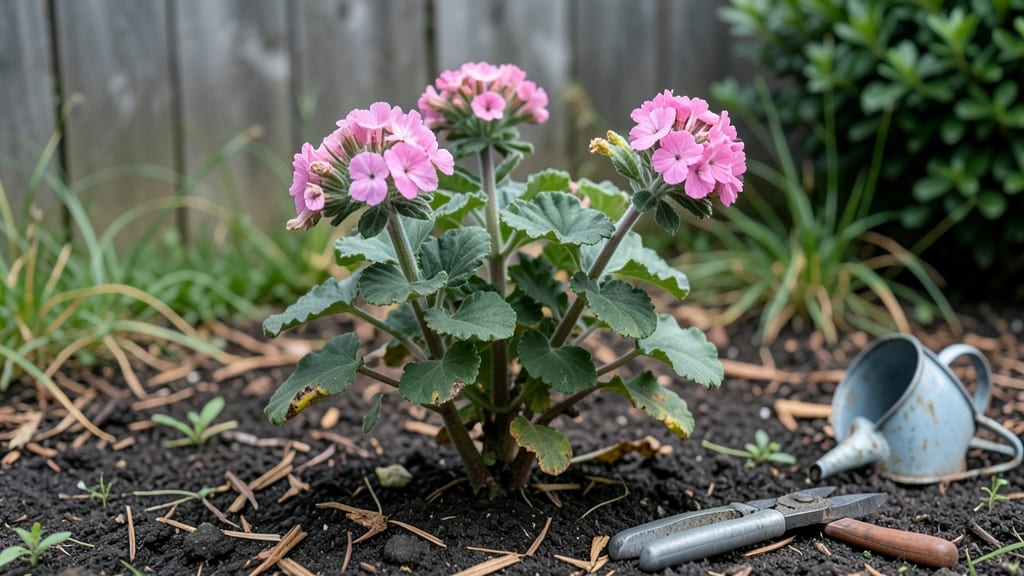
Pruning geraniums for more blooms isn’t just about cutting back—it’s about unlocking their hidden potential to flower nonstop. 🌸 I’ve watched my geraniums go from sparse stems to bursting with blooms just by timing the cuts right and knowing where to snip.
The key is simple: prune at the right season, use clean tools, and shape them to encourage new growth.
You’ll need sharp pruners, gloves (geraniums can be prickly), and a sunny spot to work. The best time to prune is right after the first flush of flowers in spring, then again in mid-summer to refresh growth.
Avoid cutting into old, woody stems—focus on the younger, green growth where new blooms will emerge. Most gardeners overdo it, but geraniums are forgiving if you keep it to one-third of the plant at a time.
After pruning, give them a drink of water and a light feeding with balanced fertilizer. Within 2-3 weeks, you’ll see fresh, vibrant new shoots pushing out, ready to bloom again.
The result? Geraniums that stay lush and colorful throughout the season, not just for a few weeks. It’s the secret to turning those leggy plants into showstoppers.
This method works for both hardy outdoor geraniums and tender potted varieties, though winter care differs. For container plants, bring them indoors before frost. If you’ve ever struggled with geraniums that bloom once and then fade, this is the game-changer you’ve been missing.
Let’s get those shears out and revive your plants!
📚 In This Guide
- What you need
- Instructions
- Tips and common mistakes
- Wrapping up and next steps
What you need
- ● Sharp pruning shears – Bypass pruners (4–6" blades) for clean cuts. Avoid dull tools—they crush stems!
- ● Hand pruners – For smaller stems (2–3" blades). Sterilize with rubbing alcohol before/after use.
- ● Gloves – Garden gloves (nitrile or leather) to protect hands from thorns and dirt.
- ● Disinfectant – 70% isopropyl alcohol or hydrogen peroxide (3%) to clean tools and cuts.
- ○ Pruning sealant (optional) – Pruning wax to coat large cuts and prevent disease (e.g., Tanglefoot Pruning Seal).
- ● Healthy geraniums – Prune only non-flowering, leggy, or dead stems. Wait until spring (after last frost) or early summer for best results.
- ● Sunlight – Ensure plants get 6+ hours of sunlight daily post-pruning for optimal regrowth.
- ● Water access – Keep soil moderately moist (not soggy) for 1–2 weeks after pruning.
Step-by-Step instructions for pruning geraniums to boost flower production
Here's my precise method for revitalizing geraniums—tested across seasons and climates.
🌿 Step 1: Identify and Remove Dead or Damaged Growth
Start by examining each stem for signs of dead or diseased wood. Look for stems that are brown, mushy, or completely devoid of leaves—they won’t recover and will only drain energy from healthy growth. Use clean, sharp pruners to make your first cuts, cutting back to a healthy leaf node or bud. This is where new growth will emerge.
I always prune in the morning when the plants are fully hydrated. The stems should snap cleanly rather than tear. If you see white, fuzzy mold or blackened stems, sterilize your pruners with rubbing alcohol between cuts to prevent spreading disease. Healthy stems should be green and firm to the touch.
✂️ Step 2: Pinch Back Leggy or Overgrown Stems
Geraniums often grow leggy, especially in low light or during winter months. To encourage bushier growth and more blooms, cut back the longest stems by about one-third of their length. Make your cuts just above a set of leaves where new growth can sprout. This is called "pinching back," and it triggers the plant to branch out rather than grow tall and sparse.
Focus on stems that have lost their lower leaves and are stretching toward light. You’ll see the plant’s natural shape emerge as you work. Avoid cutting into the center of the plant where stems are crowded—this creates weak, shaded growth. After pruning, the plant should look more balanced, with multiple stems rather than one or two long ones.
☀️ Step 3: Trim Back Overly Wooden or Flower-Sparse Stems
As geraniums age, some stems become woody and produce fewer flowers. These stems are less productive and can be pruned back aggressively. Cut them down to about 4-6 inches from the base, just above a strong leaf node. This rejuvenates the plant by stimulating fresh, flowering growth from the base.
You’ll notice some stems are thicker and less flexible than others—these are the ones to prioritize. After trimming, the plant’s energy will redirect to the remaining stems, resulting in denser foliage and more abundant blooms. Water the plant thoroughly after pruning to help it recover and reduce stress.
🌱 Step 4: Encourage New Growth with Light and Fertilizer
After pruning, place your geraniums in a location with bright, indirect light for a few days to allow fresh cuts to heal. Once new growth appears—usually within 7-10 days—move them to their usual sunny spot. Geraniums thrive in full sun (6+ hours daily), but young shoots need gentle acclimation to avoid sunburn.
Feed the plant with a balanced, water-soluble fertilizer diluted to half strength. This provides the nutrients needed for robust regrowth. You’ll see new leaves unfurling and buds forming along the stems within a few weeks. If you notice yellowing leaves, reduce fertilizer strength—this is a sign of overfeeding.
⏰ Step 5: Maintain Pruned Geraniums for Continuous Blooms
Once your geraniums rebound, keep them blooming by deadheading spent flowers regularly. Pinch off faded blooms just above the next set of leaves to redirect energy into new flowers. This simple habit extends the blooming season by weeks. I check my geraniums every 5-7 days during peak bloom and more frequently in warm weather.
In late summer, give your geraniums a second light pruning to promote a final flush of fall blooms. Cut back stems by one-quarter and fertilize lightly. With consistent care, your pruned geraniums will reward you with vibrant color well into autumn. The key is staying proactive—prune early, feed wisely, and watch your plants transform.
Tips & tricks for pruning geraniums to boost flower production
These targeted techniques will help you transform leggy, underperforming geraniums into vibrant, blooming powerhouses—without the guesswork.
Pruning Timing Matters: The best time to prune is in early spring, right after the last frost when new growth begins. This gives your plants the entire growing season to recover and produce flowers. In warmer climates, you can prune in late winter or early spring. Avoid pruning in late summer—this cuts off potential fall blooms. I've learned this the hard way after accidentally pruning too late and losing weeks of potential flowers.
Cutting Technique for Optimal Regrowth: When you make your cuts in Step 2 and Step 3, always aim just above a leaf node where new growth can emerge. The angle of your cut matters too—make a slight downward angle to prevent water from pooling on the cut stem, which can cause rot. I use clean, sharp pruners to make precise cuts that heal faster and encourage stronger regrowth. The cleaner the cut, the better the plant's recovery.
Light Management After Pruning: After pruning, the bright, indirect light requirement in Step 4 is crucial for the first few days. This helps the fresh cuts heal without stressing the plant with direct sun. I've found that placing plants near an east-facing window provides perfect morning light without the harsh afternoon sun. Once new growth appears (usually within 7-10 days), you can gradually move them to their full sun location.
Fertilizer Strategy: The balanced, water-soluble fertilizer recommendation in Step 4 should be applied consistently—every 4-6 weeks during the growing season. I've had the best results with a 10-10-10 or 20-20-20 formula, but always dilute it to half strength to avoid burning the roots. You'll notice new leaves unfurling within a few weeks, signaling that the plant is recovering well from the pruning.
Pro Tips for Prune Geraniums For More Blooms
- These targeted techniques will help you transform leggy, underperforming geraniums into vibrant, blooming powerhouses—without the guesswork.
- Pruning Timing Matters: The best time to prune is in early spring, right after the last frost when new growth begins.
- Cutting Technique for Optimal Regrowth: When you make your cuts in Step 2 and Step 3, always aim just above a leaf node where new growth can emerge.
Frequently asked questions
Still have questions about pruning your geraniums for a burst of blooms? Here are answers to some of the most common concerns—so you can get back to gardening with confidence!
When is the best time to prune geraniums for more flowers?
The ideal time to prune geraniums is in early spring (just as new growth begins) or after their first major bloom cycle in summer. A light trim every 4–6 weeks encourages continuous flowering. For hard pruning, wait until late fall or early winter to reset the plant for next season. Pro tip: Avoid pruning in extreme heat—early morning is best!
How much should I cut back my geraniums?
For a light prune (maintenance), snip back ⅓ of the plant’s stems after blooming. For a hard prune (rejuvenation), cut back by half in late fall or early spring. Always trim just above a leaf node (where new growth sprouts) to encourage bushier plants. Never cut into bare wood—geraniums won’t regrow from it!
Can I prune geraniums indoors or only outdoors?
You can prune geraniums indoors or outdoors, but follow these tips for success:
- Indoor pruning: Use clean, sharp scissors and place cuttings in water to root (great for propagating!). Keep plants near a sunny window.
- Outdoor pruning: Prune on a cloudy day or in the shade to avoid stress from sun exposure. Water the plant afterward.
What if my geraniums don’t bloom after pruning?
If your geraniums refuse to bloom despite pruning, check these common culprits:
- Lack of light: Geraniums need 6+ hours of sunlight daily. Move them to a sunnier spot or supplement with grow lights.
- Over-fertilizing: Too much nitrogen (from fertilizer) promotes leaves, not flowers. Switch to a low-nitrogen, high-phosphorus bloom booster.
- Root-bound pots: Repot in a slightly larger container if roots are circling.
Are there alternatives to pruning for encouraging more flowers?
If you’d rather skip pruning, try these tricks to coax more blooms:
- Pinch back tips: Gently pinch off the top ⅓ of stems in early summer to promote branching and more buds.
- Rotate pots: Turn containers weekly so all sides get equal sunlight.
- Deadhead regularly: Remove spent flowers daily to redirect energy to new blooms.
- Use a bloom-boosting spray: Products with boron or gibberellic acid can stimulate flowering.
Wrapping up and next steps
Pruning your geraniums doesn’t have to be intimidating—it’s your secret weapon for vibrant, long-lasting blooms! 🌸 By following these simple steps, you’ll encourage bushier growth, prevent legginess, and enjoy a year-round burst of color.
Remember, consistency is key, so grab those shears and give your plants the TLC they deserve.
Ready to transform your garden? Start by observing your geraniums weekly—a little effort now means months of stunning flowers. Happy pruning! 🌿