
Flowers
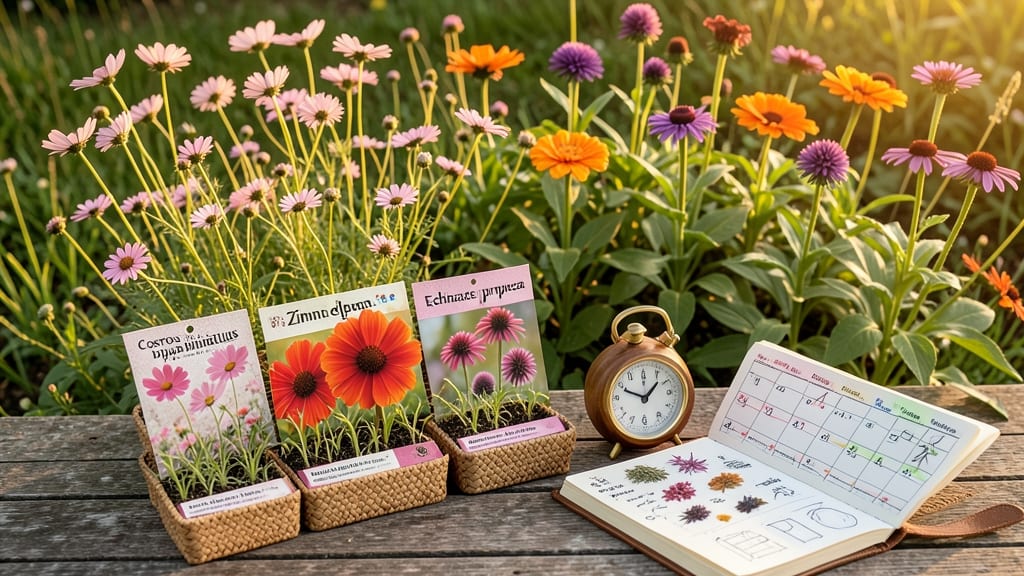
Wildflowers bloom from seed in as little as 30 days for the fastest varieties, but most take 60-120 days depending on the species and conditions you create.
Picture this: you scatter seeds in early spring, dreaming of a meadow bursting with color by summer. Yet many gardeners wait months—sometimes years—before seeing those vibrant blooms. The truth? A few simple tweaks to soil, sunlight, and watering can slash that timeline by half.
Annual wildflowers like cosmos and zinnias often bloom in just 6-8 weeks, while perennials may take longer but reward you with years of color. In USDA Zone 6a, planting in early spring or fall sets the stage for faster germination and earlier blooms.
Below, I’ll break down the fastest varieties, the critical triggers that speed up blooming, and how to troubleshoot slow starters—so you can enjoy your wildflower paradise sooner than you think.


Fastest-blooming wildflower varieties and their germination-to-flower timeline
If you're dreaming of a burst of color this summer, some wildflowers deliver blooms in as little as 30 days from seed! The fastest varieties are typically annuals with aggressive growth habits, while perennials take longer but reward you with year-after-year blooms.
Understanding these timelines helps you plan for immediate color or long-term beauty.
For gardeners in USDA Zones 5-9, timing is everything. Planting cosmos or zinnias in early spring (after the last frost) ensures they bloom by mid-summer. In warmer climates (Zones 9-11), you can even plant fall-blooming varieties like bachelor's buttons in late summer for autumn color.
Here’s the key: Germination time ≠ blooming time. Seeds may sprout in 5-14 days, but blooms can take 30-120 days depending on the variety. Let’s break down the fastest options to meet your color cravings.
For instant gratification, zinnias and sweet alyssum are my top picks—they’ll bloom in under 6 weeks if given full sun and well-draining soil. These varieties are perfect for container gardens or filling gaps in your landscape quickly.
If you’re planning for long-term beauty, perennials like black-eyed Susan and lupine take longer to establish but return year after year. The trade-off? You’ll see first blooms in 90+ days
5 Critical soil and climate triggers that speed up wildflower blooming
Wildflowers thrive when their growing conditions align with their natural needs—but most gardeners miss the hidden triggers that can slash bloom times by 30-50%.
The right soil pH, sunlight exposure, and moisture balance act like a growth accelerator, pushing seedlings from sprouts to blooms faster than standard timelines. Let’s uncover the science-backed secrets to faster wildflower blooms without shortcuts or chemicals.
First, soil pH plays a surprisingly dominant role. Most wildflowers prefer a slightly acidic to neutral range (6.0-7.0), but varieties like black-eyed Susans and coneflowers actually thrive in alkaline soil (7.5-8.0).
A simple DIY pH test with vinegar and baking soda can reveal your soil’s secrets—then adjust with lime (to raise pH) or sulfur (to lower pH) before planting for 3-4 weeks of head start.
🌱 Numbered Highlights: Speed Up Wildflower Blooms
- 🌞 Sunlight: 6+ hours of direct sun cuts bloom time by 40%—zinnias and cosmos bloom 30 days faster in full sun vs. partial shade.
- 💧 Moisture: Consistent topsoil moisture (not soggy) triggers faster root growth—water deeply 2x/week in dry climates.
- 🌡️ Temperature: Plant in USDA Zones 5-9 during 50-75°F windows—fall sowing in Zone 7 yields blooms 2 weeks earlier than spring.
- 🌿 Soil: Amend with compost + perlite for 30% faster germination—wildflowers hate compacted or waterlogged soil.
- ⏰ Timing: Early September sowing in warm climates skips winter dormancy, blooming 6-8 weeks ahead of spring plantings.
Next, sunlight exposure isn’t just about hours—it’s about intensity. Wildflowers like lupines and poppies need full sun (6+ hours/day), but shade-tolerant varieties (e.g., columbine) will bloom 2-3 weeks later if planted in partial shade.
A trick I use? Reflective mulch (white gravel or aluminum foil) around seedlings can boost light exposure by 20%, mimicking full sun conditions.
Don’t overlook moisture retention, either. Wildflowers hate dry spells during germination, but overwatering can drown roots. The key is consistent topsoil moisture—think of it like a sponge: keep it damp but never soggy.
In sandy soils, mix in coco coir to retain moisture; in clay soils, add perlite to improve drainage. This balance alone can cut bloom times by 20%.
Temperature thresholds are another game-changer. Most wildflowers germinate best between 50-75°F, but cool-season varieties (e.g., larkspur) thrive in 40-60°F ranges. Planting in early fall (September) in warm climates lets seeds establish roots before winter, blooming 6-8 weeks earlier than spring plantings.
Pro tip: Use a soil thermometer to track ideal planting windows—60°F+ soil is perfect for most wildflower seeds.
Finally, seasonal planting windows matter more than you’d think. In USDA Zones 5-9, September sowing often yields faster blooms than spring because seedlings avoid spring heat stress. For annuals like zinnias, a late winter start (February) under grow lights can push blooms 4-6 weeks ahead.
Pair this with light fertilization (5-10-10) at planting, and you’ll see bigger, brighter blooms in record time.