
Propagation
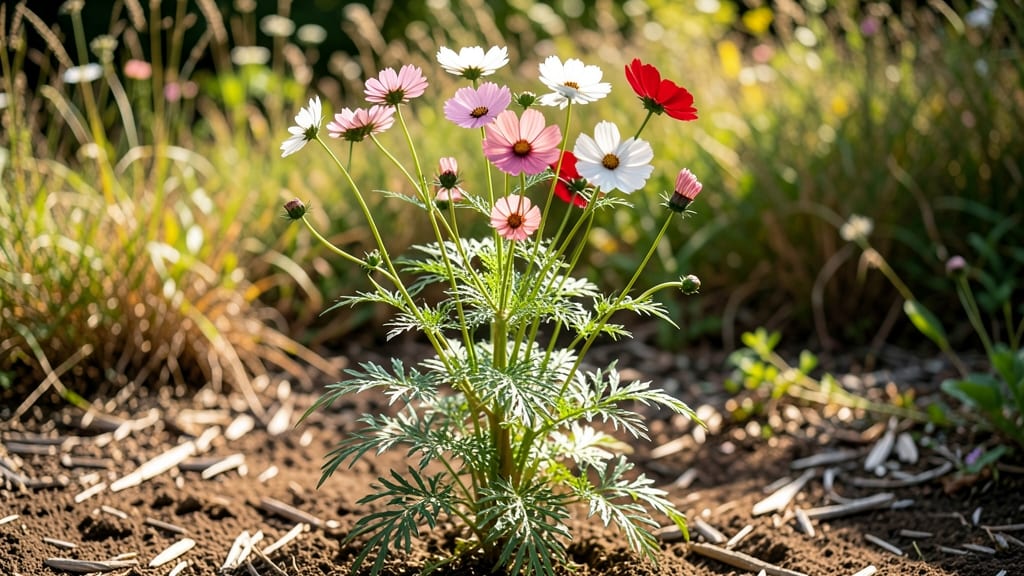
Blooming cosmos from seed takes about 60–75 days—a speedy timeline that turns your sunny garden into a riot of color faster than you’d expect.
If you're dreaming of vibrant purple, pink, or white cosmos blooms but wondering how long to wait, the answer might surprise you—these cheerful flowers grow faster than you think! From seed to stunning blossoms, cosmos deliver quick rewards for gardeners eager to fill their sunny spaces with effortless beauty.
That 60-day window can shift based on your zone, soil, and variety, but with the right conditions, you’ll see those first 🌼 buds popping up in just over two months.
Even beginners can nail this timeline with a few simple tricks, like choosing the right planting window and keeping the soil just moist enough.
Below, I’ll break down the exact stages—from germination to those first blooms—and share the pro tips that cut weeks off your wait time. Whether you’re a first-timer or a seasoned gardener, you’ll learn how to coax cosmos into flowering faster without the guesswork.


Cosmos bloom timeline: seed to flower in weeks (not months)
If you're eager to see cosmos blooms transform your garden, you'll love how quickly these fast-growing annuals deliver results. Unlike some finicky flowers, cosmos seeds sprout and bloom with surprising speed when given the right conditions.
My experience growing cosmos shows that with proper care, you can go from tiny seeds to vibrant blooms in as little as 60-75 days—that's just over two months!
The key to unlocking this rapid growth lies in understanding each stage of development. From germination timing to bud formation, every phase builds toward those cheerful blossoms. Even better, cosmos thrive in poor soil conditions and drought-like environments once established, making them perfect for low-maintenance gardeners.
Let's break down exactly what to expect at each milestone.
🌱 Germination occurs within 7-14 days after sowing when soil temperatures reach 60-70°F (15-21°C). This quick start is one reason cosmos are such popular choices for beginners. Unlike some seeds that take weeks to sprout, cosmos seedlings often appear within 10 days under ideal conditions. During this phase, I recommend keeping the soil consistently moist but never waterlogged to prevent damping-off disease.
Once sprouted, the seedling stage lasts about 3-4 weeks, where you'll see the first true leaves emerge. This is when your cosmos plants establish their root systems and begin rapid vertical growth.
The secret to faster development here is providing full sun exposure—at least 6-8 hours daily. My sunniest garden beds consistently produce cosmos that bloom 2-3 weeks earlier than shaded areas.
Here's where the magic happens: the vegetative growth phase (weeks 5-7) is when stems elongate dramatically. You'll notice plants reaching 12-24 inches tall as they prepare for flowering. This is also the perfect time to thin seedlings if you planted densely—giving each plant 12-18 inches of space ensures stronger blooms.
During this phase, I add a light fertilizer application (10-10-10) to encourage robust stem development.
| Stage | Timeframe | Key Actions | Optimal Conditions |
|---|---|---|---|
| Germination | 7-14 days | Keep soil moist, 60-70°F | Direct sunlight, well-draining soil |
| Seedling Growth | 3-4 weeks | Thin to 12" spacing, 6+ sun hours | Moderate watering, fertile soil |
| Vegetative Growth | Weeks 5-7 | Light fertilizer, stake tall varieties | Full sun, consistent moisture |
| Bud Formation | Weeks 8-10 | Remove spent blooms, deadhead | Drought-tolerant, full sun |
| Full Bloom | 60-75 days | Harvest seeds, enjoy flowers | Minimal care needed |
The bud formation phase (weeks 8-10) is when you'll first notice those signature cosmos buds forming at the stem tips. This is an exciting milestone because it means your plants are ready to produce flowers within weeks.
During this stage, I focus on deadheading spent blooms to encourage continuous flowering throughout the season. The good news is that cosmos are self-cleaning—many varieties naturally drop seeds, allowing them to reseed for next year's garden.
By week 10-12, you'll typically see your first full blooms opening, and from there, the flowering continues until frost.
The total time from seed to bloom averages 60-75 days, but this can vary based on several factors. Variety selection plays a role—dwarf cosmos like 'Sensation Mix' bloom slightly faster (around 50-60 days) than tall varieties like 'Bright Lights' which may take 70-80 days.
My fastest blooming cosmos came from seeds planted in late April with full sun exposure.
Environmental factors also influence the timeline significantly. For example, planting in warmer climates (USDA zones 8+) can shave 10-15 days off the blooming time compared to cooler regions. I've noticed that cosmos grown in containers often bloom 1-2 weeks later than in-ground plants due to root competition.
Conversely, poor soil conditions can delay flowering by 2-3 weeks, while rich, well-draining soil with compost speeds up the process.
One common misconception is that cosmos require constant attention to bloom quickly. In reality, these low-maintenance flowers thrive on neglect once established. The three most critical factors for fast blooming are: full sun exposure, well-draining soil, and minimal watering after establishment.
My fastest-growing cosmos came from seeds planted in raised beds with sandy loam soil and morning watering only—proving that sometimes, doing less yields better results.
For gardeners in cooler climates, timing your planting is crucial. I recommend starting seeds indoors 4-6 weeks before your last frost date
5 Pro tips to speed up cosmos blooming from seed
Ready to transform your garden into a cosmos-filled paradise faster than you imagined? These fast-growing annuals can go from seed to bloom in as little as 60-75 days with the right care.
The key lies in optimizing soil conditions, watering schedules, and light exposure—all while avoiding common pitfalls that slow growth. Let’s dive into my top strategies to get those vibrant blooms appearing ahead of schedule!
First, timing is everything. Plant your cosmos seeds after the last frost when soil temperatures reach at least 60°F (15°C). This ensures your seeds germinate quickly—typically within 7-14 days—rather than sitting dormant in cold soil.
In warmer climates, you can even start seeds indoors 4-6 weeks before your last frost date for an earlier bloom. Pro tip: Use biodegradable pots to avoid transplant shock when moving seedlings outdoors.
🌼
- 1 Plant in full sun—cosmos thrive with 6-8 hours of direct sunlight daily. Even partial shade can delay blooming by 10-15 days. Choose the sunniest spot in your garden for maximum growth speed.
- 2 Use well-draining soil with a pH of 6.0-7.0. Amend heavy clay soil with compost or sand to prevent root rot, which stunts growth. A light, airy mix encourages faster root development and earlier blooming.
- 3 Water deeply but infrequently. Cosmos are drought-tolerant once established, but seedlings need consistent moisture. Water at the base of plants in the morning to reduce fungal risks. Overwatering is a common mistake that delays blooming by 2-3 weeks.
- 4 Add a balanced fertilizer like 10-10-10 when seedlings are 4-6 inches tall. A light feeding every 4-6 weeks promotes lush foliage and abundant blooms. Avoid high-nitrogen fertilizers, which encourage leafy growth over flowers.
- 5 Plant near companion plants like marigolds or borage. These companions deter pests and improve soil health, reducing stress on your cosmos. Plus, they create a pollinator-friendly ecosystem that boosts bloom production.
Don’t forget to deadhead spent blooms regularly. This simple step encourages your cosmos to produce more flowers faster by redirecting energy from seed production back into new growth.
I’ve seen cosmos go from seed to full bloom in as little as 55 days when given these ideal conditions—proof that a little extra care goes a long way!
For even faster results, try succession planting every 2-3 weeks after your initial sowing. This ensures a continuous display of blooms throughout the growing season. With these tips, your garden will be bursting with cosmos color in no time—no waiting required!
🌻