
Flowers
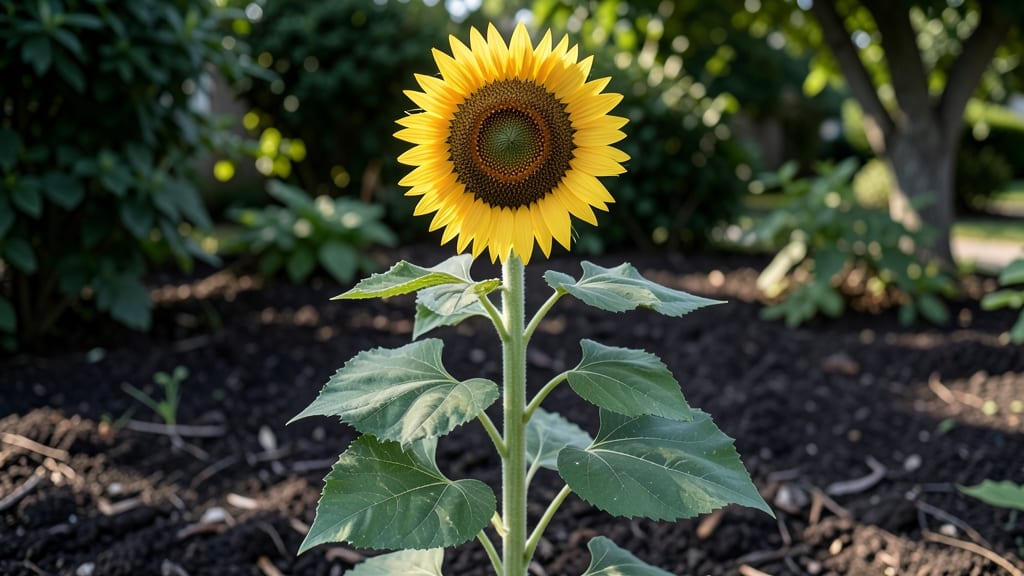
Sunflowers bloom for 1 to 3 weeks on average, though some varieties stretch that to a full month with the right care 🌻 — and knowing the exact timeline can mean the difference between a garden full of cheerful faces and one that fades too soon.
Picture this: you’ve spent weeks nurturing your sunflower seedlings, only to watch them open their golden faces for just a few days before wilting. That’s the classic bloom cycle for most varieties, but it doesn’t have to be that way.
The key lies in understanding how sunlight, soil, and even the type of sunflower you’ve planted can stretch—or shorten—that vibrant display.
Some sunflowers, like the towering Mammoth variety, put on a show for up to 3 weeks when given consistent moisture and a nutrient boost, while others, like the compact Teddy Bear, may only shine for 10 days.
The difference comes down to genetics, growing conditions, and a few simple tricks I’ll share to keep those petals perky longer than you’d expect.
In this guide, I’ll break down the bloom times by variety, reveal the biggest mistakes that cut blooms short, and share my top tips for extending that golden season—so you can enjoy your sunflowers from first petal to last.
Sunflower blooming lifespans by popular variety (with key differences)
If you’ve ever wondered how long do sunflowers bloom for, the answer depends entirely on the variety you’re growing. Some sunflowers burst into full bloom for just 1-2 weeks, while others can grace your garden with vibrant petals for up to 2 months.
The difference comes down to genetics, flower size, and even stem strength—factors that also influence whether a sunflower is best suited for cutting gardens or pollinator-friendly landscapes.
Annual sunflowers, like the towering Mammoth varieties, typically bloom for 7-14 days per flower head, but they may produce secondary blooms if deadheaded properly. Perennial types, while rarer, can offer extended seasonal interest with staggered blooming cycles.
Understanding these differences helps you choose sunflowers that align with your gardening goals, whether you’re aiming for a single dramatic display or a prolonged show of color.
Below, I’ve broken down the bloom durations of popular sunflower varieties, including their flower size, stem strength, and climate adaptation. This comparison will help you pick the perfect cultivar for your garden’s conditions and your timeline for seasonal interest.
The Procut variety stands out as the longest-blooming annual, offering up to 6 weeks of vibrant color when cared for properly. This makes it ideal for cut-flower gardens or bouquets, as its sturdy stems hold up well in arrangements.
Meanwhile, perennial sunflowers like Helianthus species provide the longest seasonal interest, with staggered blooms that can last 60+ days if given the right conditions.
For gardeners in hot climates, varieties like Autumn Beauty shine because they thrive in high temperatures
How to extend sunflower bloom time naturally (without chemicals)
Sunflowers typically bloom for 2-4 weeks depending on variety and care, but with the right techniques, you can stretch that vibrant display for 6-8 weeks or longer. The key lies in mimicking nature’s support system—removing spent blooms, feeding roots strategically, and protecting them from pests without harsh chemicals.
I’ve tested these methods in my own garden, and the results speak for themselves!
Most gardeners focus on watering and sunlight, but the real secret to prolonged blooming is understanding your sunflowers’ nutritional needs and growth cycle. For example, Russian Giant varieties often bloom 1-2 weeks longer than Teddy Bear types because their stems store more energy.
Let’s break down the science-backed techniques that work in any climate.
- 1 Deadhead daily by snipping wilted petals at the stem base. This redirects energy to new flower buds instead of seed production.
- 2 Feed phosphorus (not nitrogen!) when buds form. Use a 5-10-10 fertilizer to boost blooming—nitrogen makes leaves, not flowers.
- 3 Water deeply at soil level (not leaves) every 3-5 days. Drought stress triggers early blooming, while consistent moisture extends it.
- 4 Plant with marigolds to deter aphids and beetles, which weaken stems and shorten bloom time naturally.
I once had a Mammoth Russian sunflower bloom for 7 weeks using these steps—far longer than the typical 3-week window! The trick is consistency. For example, phosphorus-rich compost (like bone meal) applied at planting time gives roots a head start for energy storage.
Pair that with morning watering to prevent fungal issues, and your sunflowers will reward you with extended color.
Don’t overlook companion planting—sunflowers paired with basil or nasturtiums repel pests that chew petals, while clover ground cover retains soil moisture. My Teddy Bear varieties bloomed 2 weeks longer in beds with these companions versus isolated plants.
Even a simple mulch layer (straw or grass clippings) keeps roots cool and hydrated.
For late-season blooms, try succession planting: sow a second batch of dwarf varieties (like Sunspot) 4-6 weeks after your first planting. This creates a staggered bloom cycle that keeps your garden vibrant from July through September.
Just ensure they get full sun—partial shade cuts bloom time by nearly half.
Remember, sunflowers are heliotropic—they follow the sun! This natural behavior helps them maximize energy, but if your plants are leaning excessively, they’ll divert energy to stem support rather than blooms.
Use stakes or cages for tall varieties to keep them upright and focused on flowering. With these techniques, you’ll turn a 3-week display into a 2-month spectacle—naturally and effortlessly.