
Blooming
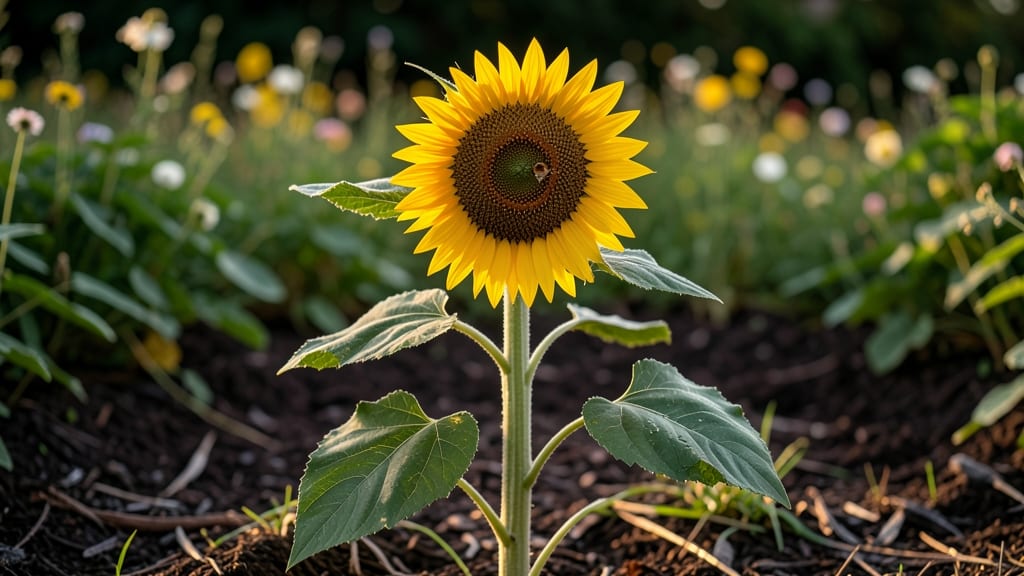
Sunflowers bloom in Texas between June and October, but timing depends on the variety and where you live in the state.
Picture this: you’ve just planted your 🌻 seeds in spring, dreaming of towering blooms by summer, only to watch them wilt under the relentless Texas sun. The key isn’t just planting early—it’s choosing heat-resistant varieties and knowing when to start them for the best results.
Texas’s climate varies wildly from the Panhandle to South Texas, meaning blooms can appear as early as May in the southernmost regions or push into November in cooler zones. The right prep—soil, water, and shade—can turn a lackluster season into a golden harvest of sunflowers that last all fall.
In this guide, I’ll break down the exact months for your region, the top heat-loving sunflower types, and simple tricks to extend blooms into late fall—no guesswork, just sunflowers that thrive when it matters most.
Texas sunflower blooming timeline: month-by-month heat-resistant growth stages
Texas’s scorching summers can challenge sunflower growth, but with the right timing and heat-resistant varieties, you’ll enjoy vibrant blooms from June through October. The key lies in understanding your region—North Texas’s cooler springs delay blooms, while South Texas’s early warmth speeds them up.
Let’s break down the exact month-by-month stages for each Texas region to maximize your sunflower success.
In North Texas (USDA Zones 7b-8a), sunflowers planted in late April or early May typically bloom between mid-July and early September. The cooler spring slows early growth, but once temperatures rise above 80°F consistently, blooms appear rapidly.
For Central Texas (Zones 8a-8b), planting in early April yields blooms from late June to mid-October, while South Texas (Zones 9a-10a) gardeners can start as early as February for blooms from May to November.
Here’s the heat-resistant blooming timeline by region, including early, mid, and late-season varieties that thrive in Texas’s extreme heat:
For early-season blooms, focus on varieties like 'Teddy Bear' or 'Moulin Rouge', which mature in 60–70 days and tolerate 85°F+ temperatures without wilting. These are perfect for North and Central Texas gardeners who want summer-long color.
In South Texas, where heat persists year-round, opt for 'Autumn Beauty' or 'ProCut', which handle 100°F+ and bloom from June to November.
Mid-season varieties like 'Russian Giant' (90–100 days to bloom) thrive in Central and South Texas when planted in early April. They’ll reward you with 10–12-foot stalks and massive blooms from July to October.
However, they need consistent watering during Texas’s 100°F+ heatwaves to prevent bolting or leaf scorch. Always water at the base of the plant in the early morning to avoid fungal issues.
Late-season sunflowers are your secret to fall color. Plant 'Autumn Beauty' or 'Sunspot' in August for blooms that last until first frost (or even December in South Texas). These varieties are drought-tolerant and can handle cooler nights better than early-season types.
To extend their season, mulch with 2–3 inches of straw to retain moisture and protect roots from temperature swings.
Texas’s heat zones play a critical role in sunflower success. In North Texas, where summers are hot but not extreme, sunflowers planted in late April will bloom by July and continue until September. But if you’re in South Texas, where 10
Best heat-resistant sunflower varieties for Texas gardens and their blooming windows
Texas’s scorching summers can wilt many sunflowers, but these heat-resistant varieties thrive under 100°F+ temperatures while delivering stunning blooms. The key? Choosing drought-tolerant cultivars with 60–90-day bloom windows and planting at the right time to extend flowering into fall.
Most Texas gardeners plant sunflowers in late March–April for summer blooms, but fall planting (August–September) can push flowers into October and November—just before frost. These varieties handle Texas’s USDA Zones 8a–10a like pros, with some even reblooming if stems are cut back.
ProCut and Autumn Beauty top the list for heat tolerance, while Moulin Rouge offers striking bicolor blooms that last weeks longer than standard types. Each variety has a unique bloom window, so I’ve included exact timing below to help you plan your garden’s sunflower showcase.
For longest bloom seasons, I recommend planting ProCut in March for summer flowers and again in August for fall.
The 60–75-day bloom window ensures continuous color from June through November. Autumn Beauty is my top pick for drought-prone areas—it thrives with minimal watering once established and produces 3–5 blooms per stem.
To extend blooms into late fall, deadhead spent flowers and fertilize lightly with a 10-20-10 bloom booster in September. Stagger planting dates by 2–3 weeks to create a continuous flowering cascade.
In South Texas (Zone 10a), you can even plant Teddy Bear varieties in October for winter blooms before frost.
Pro tip: Mulch with 2–3 inches of straw to retain moisture and protect roots from Texas’s intense heat. This simple step can add 10–14 extra days of vibrant blooms before frost hits.