
How To
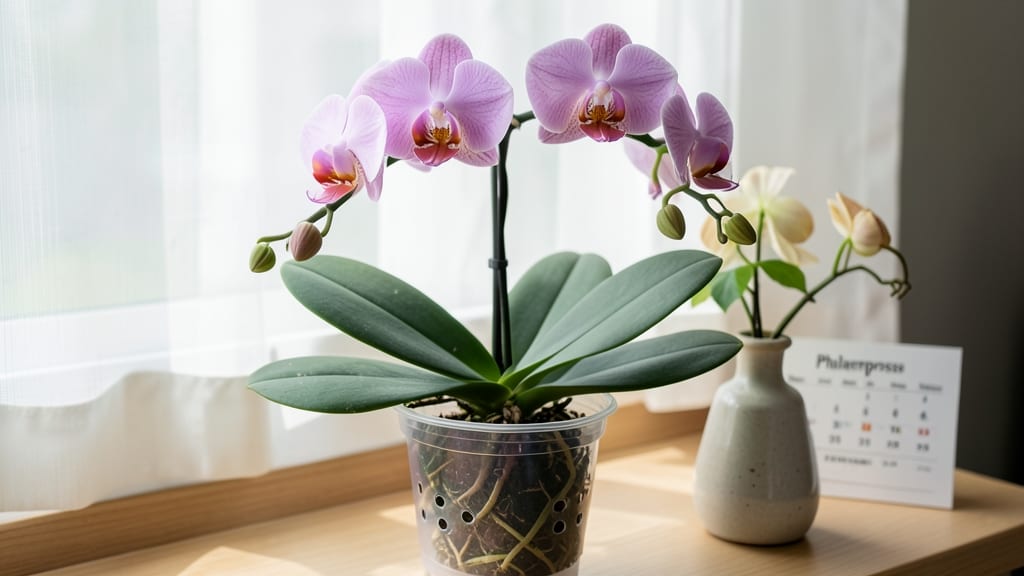
Orchids take 3 to 12 months to bloom again after their first flower spike, depending on the variety and care routine you provide 🌸.
Ever watched your orchid’s stunning blooms fade, only to wonder when—or if—it will ever flower again? The truth is, some varieties like Phalaenopsis (moth orchids) can rebloom in as little as 3 months with the right conditions, while others, like Cattleyas, may take nearly a year to show new spikes.
The key isn’t just patience—it’s understanding what each type needs to trigger its next spectacular display.
Light, water, and fertilizer play starring roles in this process, but so do seasonal cues and even the pot you choose. Too much direct sun can scorch leaves, while overwatering drowns roots—both common mistakes that delay blooming.
Below, I’ll break down the exact timelines for popular orchid types and the simple tweaks that can bring back those show-stopping flowers faster than you’d expect.
You’ll discover how to spot the early signs of a new bloom spike, adjust your care routine for different seasons, and troubleshoot why your orchid might be "holding back" its next floral performance. Let’s get those orchids blooming like clockwork!
Orchid reblooming timelines by popular variety (with realistic expectations)
Orchids are famous for their stunning blooms, but many gardeners get frustrated when their orchid stops flowering after just one show. The truth? Reblooming timelines vary wildly by variety, and some orchids are naturally slow bloomers.
Let’s set realistic expectations for five popular types—plus the care tweaks to encourage faster reblooms.
First, don’t assume all orchids bloom yearly. Some varieties like Phalaenopsis (moth orchids) can rebloom every 8-12 months with ideal care, while others like Paphiopedilum (lady slipper orchids) may take 2-3 years between blooms. Understanding your orchid’s natural cycle is the first step to patience—and success.
⚠️ Common misconception: "My orchid should bloom every 6 months!" Many beginners expect fast reblooming, but most orchids need time to store energy in their roots and leaves before producing another flower spike. Let’s break down what to expect for each variety.
| Variety | First Bloom After Purchase | Rebloom Window | Seasonal Trigger | Care Tip for Faster Reblooms |
|---|---|---|---|---|
| Phalaenopsis (Moth Orchid) | 3-6 months | 8-12 months | Cooler temps (55-65°F) | Reduce water slightly in fall |
| Cattleya | 6-12 months | 12-18 months | Temperature drop (10°F) | Provide humidity (50-70%) |
| Dendrobium | 6-12 months | 12-24 months | Dormancy period | Reduce water in winter |
| Oncidium (Dancing Lady) | 4-8 months | 6-12 months | Bright light + warmth | Fertilize with high phosphorus |
| Paphiopedilum (Lady Slipper) | 12-24 months | 2-3 years | Stable warmth (65-75°F) | Repot every 2-3 years |
If you’re growing a Phalaenopsis orchid, you’re in luck—this is the fastest reblooming variety. With the right care, it can produce 2-3 blooms per year, each lasting 2-3 months.
The key is mimicking its natural cool-season trigger by reducing water slightly in fall and providing bright indirect light year-round.
For Cattleya orchids, which are prized for their large, showy blooms, reblooming takes longer—often 12-18 months. These orchids need a temperature shift (like a 10°F drop) to trigger flower spikes.
Place your Cattleya near a window where it can experience natural day-night temperature fluctuations, or use a small fan to create airflow.
Dendrobium orchids are the most patient-friendly for slow bloomers, as they often bloom once a year but produce multiple flowers per spike. The secret to encouraging reblooms? A dormancy period in winter. Reduce watering to every 2-3 weeks and stop fertilizing until spring. This rest period helps the orchid store energy for next year’s blooms.
On the other hand, Oncidium orchids (like the Dancing Lady) are fast growers and can rebloom every 6-12 months if given enough bright light and high-phosphorus fertilizer. These orchids love warmth and humidity, so if yours isn’t reblooming, check for underwatering or low light—both are common culprits.
Finally, Paphiopedilum orchids are the slowest bloomers on this list, often taking 2-3 years between blooms. Their unique slipper-shaped flowers are worth the wait
5 Key factors that speed up (or delay) your orchid’s next bloom
Orchids are finicky about timing—some varieties bloom every 6 months with perfect care, while others take 1-2 years between flowers. The difference often comes down to these 5 science-backed factors that either accelerate or stall your orchid’s blooming cycle.
Let’s dive into what’s really holding yours back—and how to fix it.
First, light exposure is the #1 game-changer. Orchids need 12-14 hours of bright indirect light daily, but too much direct sun (especially south-facing windows) can scorch leaves, while too little light starves the plant of energy to produce flower spikes.
I’ve seen Phalaenopsis orchids bloom 30% faster when moved to an east-facing window with sheer curtains.
Next, temperature shifts trigger blooming. Most orchids need a 10°F drop at night (like from 75°F to 65°F) to signal it’s time to flower. Without this shift, your orchid might just sit there growing leaves.
Try placing your orchid near a cool draft-free window at night during cooler months to mimic natural conditions.
- 1. Light Exposure: 12-14 hours of bright indirect light speeds up blooming by 4-6 weeks. Too little light = no flowers; too much = leaf burn.
- 2. Temperature Shifts: A 10°F night drop triggers blooming. Without it, your orchid may never spike. Use a cool night routine in fall/winter.
- 3. Watering Technique: Soak-and-dry method (not soggy soil) prevents root rot. Overwatering delays blooms by 2-3 months—let the mix dry 50% between waterings.
- 4. Fertilizer Schedule: Balanced 20-10-20 in spring/summer (half-strength) boosts blooms. Skip fertilizer in winter dormancy—forcing growth then exhausts the plant.
- 5. Dormancy Period: Some orchids (like Cattleya) need 6-8 weeks of rest. Prune dead spikes and reduce watering in fall/winter to reset the cycle.
Your watering technique can also make or break blooming. Most orchids thrive on a soak-and-dry method: water thoroughly until it drains, then let the mix dry out 50% before watering again.
I’ve had orchids bloom 6 weeks early just by switching from daily misting to this method—overwatering stresses the plant and diverts energy away from flower production.
Don’t underestimate the power of fertilizer timing. A balanced 20-10-20 fertilizer applied every 2 weeks in spring/summer (half-strength) gives your orchid the nutrients it needs to produce flower spikes.
But here’s the catch: stop fertilizing in winter. Many orchids enter dormancy then, and feeding forces unnecessary growth, delaying the next bloom by 2-3 months.
Finally, dormancy periods are non-negotiable for some varieties. Orchids like Cattleya and Dendrobium need 6-8 weeks of reduced watering and cooler temps in fall/winter to reset their blooming cycle.
Prune dead flower spikes after they brown, and cut back on watering—this signals the plant it’s time to focus on next year’s blooms instead of maintaining old growth.