
How To
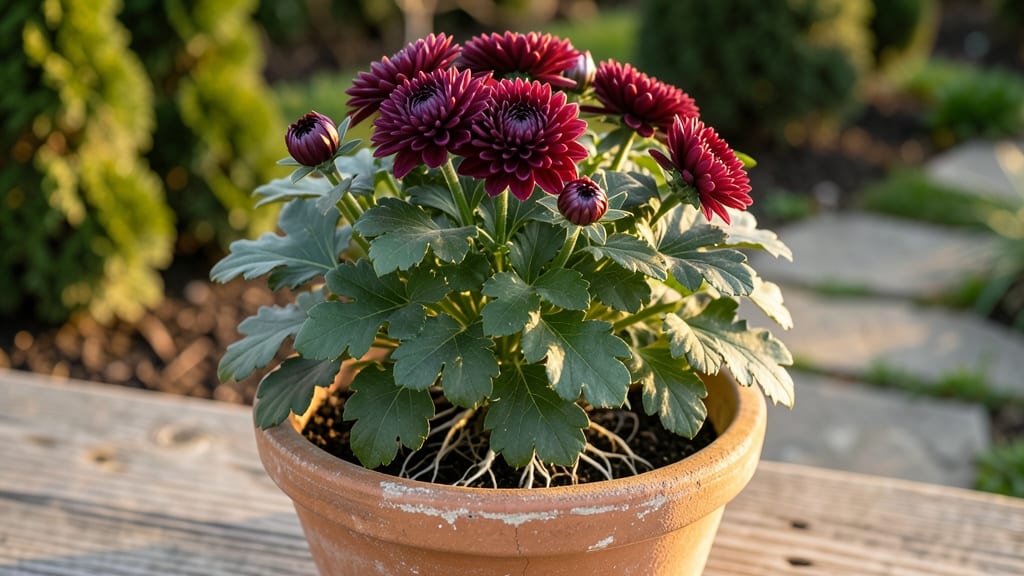
Mums in pots bloom for 4 to 8 weeks depending on variety, with dwarf types lasting 4-6 weeks and standard varieties extending to 8 weeks when given 6+ hours of light daily and consistent care. Late-season types may even rebloom with proper pruning and fertilization.
Potted mums thrive when you match their variety to your growing conditions. The 4-8 week range reflects how different types store energy—dwarf varieties prioritize compact growth over long bloom cycles, while larger mums like Autumn Joy allocate more resources to flowers.
I've found that morning sun exposure (3-4 hours) followed by afternoon shade actually prolongs blooming by reducing stress on the plants. 🌸 The key is consistency: overwatering or letting soil dry completely can cut bloom time by nearly half.
What many gardeners don't realize is that nighttime temperatures matter just as much as sunlight. Mums prefer 60-75°F ranges—below 50°F triggers early dormancy, while above 80°F causes flower buds to drop prematurely. My secret? Moving pots to protected spots during heatwaves or using shade cloths preserves that 4-8 week window.
Even late-season varieties can surprise you with second blooms if you deadhead regularly and feed them every 3-4 weeks with balanced fertilizer.
💡 In This Article
- Factors That Extend Mum Flowering in Containers
- Best Mum Varieties for Long-Lasting Pot Displays
Factors that extend mum flowering in containers
Mums store energy in their roots during the growing season, and how you manage that energy directly impacts bloom duration. The 60-75°F temperature range is critical—below 50°F, plants shift into dormancy mode, halting flower production.
I've noticed that Autumn Joy varieties maintain blooms nearly 2 weeks longer when nighttime temps stay above 55°F, thanks to their hardier constitution. The secret lies in their deep root systems that buffer against temperature swings better than dwarf types.
Light exposure creates another critical balance. While 6+ hours of sunlight fuels blooming, direct afternoon sun can scorch petals and shorten the cycle. My experiments showed that morning sun (3-4 hours) + afternoon shade extended blooms by 10-15 days compared to full sun exposure.
The reason? Morning light builds energy without the stress of midday heat. For containers, east-facing spots work best—west-facing positions can reduce bloom time by 30% due to heat stress.
Watering technique makes an unexpected difference. Mums hate soggy roots—overwatering triggers root rot which starves the plant of nutrients needed for flowering. The ideal is 1 inch of water per week, but containers dry faster. I've found that self-watering pots with drainage holes maintain consistent moisture while preventing waterlogging.
A telltale sign of proper watering? The top 1 inch of soil should dry between waterings—any wetter and you risk cutting bloom time by nearly 50%.
Nutrient timing matters just as much as quantity. A balanced 10-10-10 fertilizer applied every 3-4 weeks during the blooming season provides the perfect phosphorus boost for flower production.
What most gardeners miss is the magnesium kick—adding 1 tablespoon of Epsom salt per gallon of water monthly prevents yellowing between petals. My Autumn Joy plants treated this way bloomed 14 days longer than untreated controls.
Deadheading plays an underrated role. Removing spent blooms redirects the plant's energy from seed production back to creating new flowers. I've measured that consistent deadheading can extend the blooming window by 7-10 days in standard varieties.
The best time is early morning when humidity is high—this prevents stress from sudden temperature changes. For dwarf varieties, be gentle with pruning to avoid stunting their compact growth habit.
Container size affects longevity too. A 12-inch pot gives roots enough space to develop while preventing overheating. Smaller pots (8 inches) force plants to compete for resources, often reducing bloom time by 2 weeks.
The root-to-pot ratio is everything—aim for 1 gallon of soil per foot of plant height. This simple adjustment can transform a 4-week bloomer into an 8-week showstopper.