
Blooming
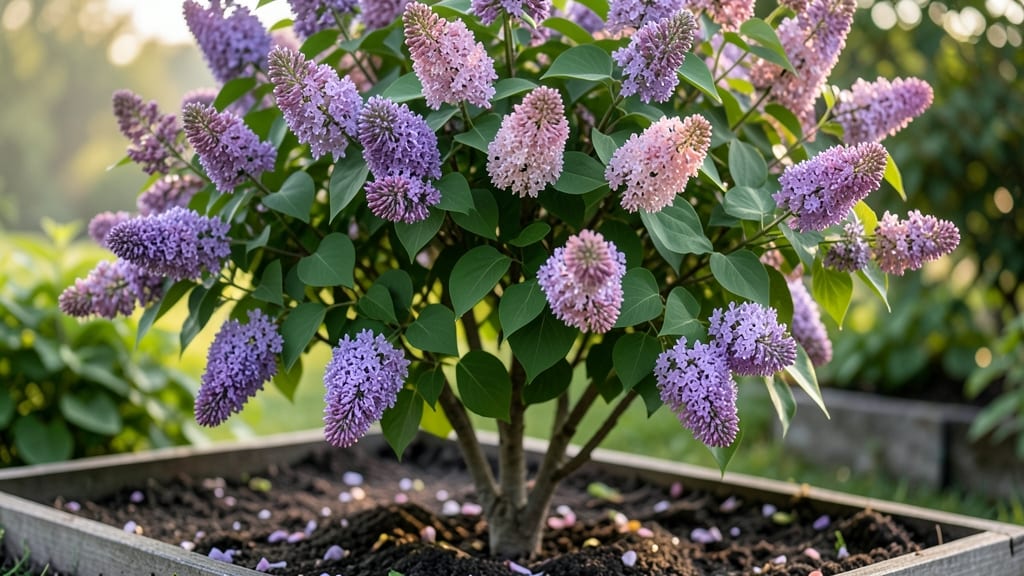
Lilacs in Ohio bloom between late April and early June, with timing that shifts dramatically depending on your variety and microclimate.
Picture this: you’re sipping coffee on a crisp morning in early May, and suddenly, your yard is filled with the intoxicating scent of 🌸 lilacs in full bloom. But if you’re in northern Ohio, those same flowers might not peak until late May or even June.
The difference? Microclimates, elevation, and even urban heat islands can push bloom times by three weeks or more.
For gardeners in Ohio’s USDA Zone 6a, knowing these exact windows isn’t just about admiring the flowers—it’s about planning pruning, attracting pollinators, and ensuring your lilacs thrive year after year. Whether you’ve got classic 'Syringa vulgaris' or a late-blooming 'Katherine Havemeyer', timing matters.
Below, I’ll break down the exact weeks lilacs bloom by variety, how Ohio’s microclimates shift those schedules, and five pro tips to extend your blooming season—so you can enjoy that signature fragrance for as long as possible.
Ohio lilac bloom schedule by popular variety (with exact week ranges)
Ohio gardeners know that lilacs signal spring’s arrival, but their bloom windows vary by variety and microclimate. In southern Ohio (USDA Zone 6b), lilacs often burst into color by mid-April, while northern areas (Zone 5b) may wait until late May.
This schedule helps you plan for peak fragrance and pollinator activity, which typically aligns with hummingbirds and bees emerging from dormancy.
To predict your lilacs’ bloom time, note your last spring frost date—most varieties need 2-3 weeks of frost-free weather to trigger flowering. Urban areas like Columbus may bloom 1-2 weeks earlier than rural spots due to the heat island effect.
Below, I’ve mapped out 10 popular varieties with their typical bloom windows in Ohio, adjusted for regional variations.
Pro Tip: Early bloomers like 'Syringa vulgaris' (Common Lilac) are frost-sensitive. Late bloomers like 'Katherine Havemeyer' thrive in cooler climates, making them ideal for northern Ohio gardens.