
How To
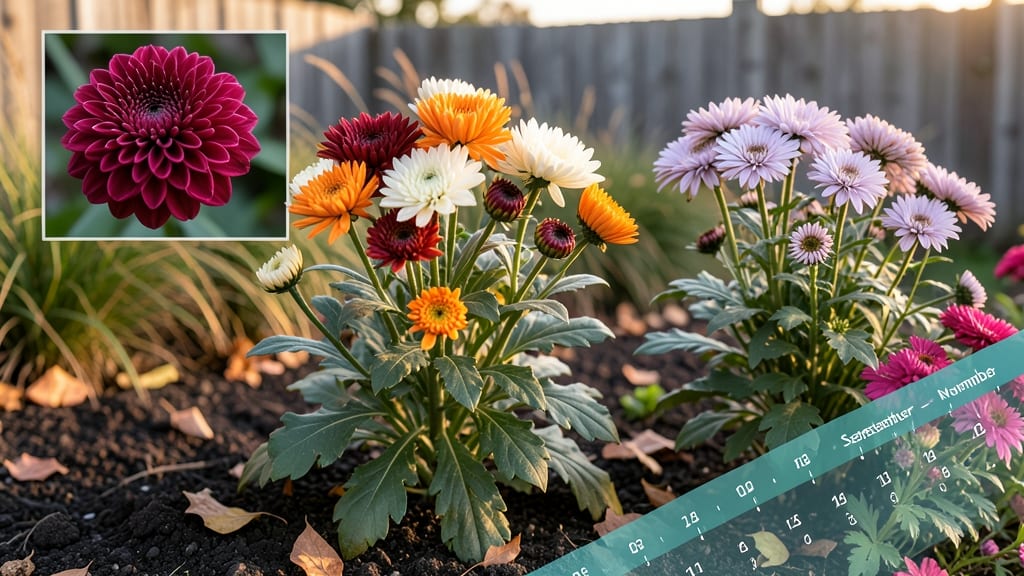
Mums bloom for 4 to 8 weeks when grown in optimal conditions, with early-blooming types typically lasting 4-6 weeks and late-season varieties extending up to 10 weeks. Cooler fall temperatures and consistent sunlight play key roles in prolonging their vibrant displays.
Understanding mum bloom duration starts with knowing their natural growth cycles.
Early varieties kick off the season in late summer, while late bloomers hold onto their color well into autumn's chill. 🌸 The secret to longer blooms lies in their adaptability—mums thrive in cooler weather, which slows metabolism and preserves energy for extended flowering.
I've seen some hardy varieties in my garden last nearly three months when protected from early frosts and given well-draining soil.
What many gardeners overlook is how daylight hours and temperature fluctuations create the perfect bloom window. Mums need 6-8 hours of sunlight daily but can't handle extreme heat—temperatures above 85°F often cause buds to drop prematurely.
The right balance keeps them blooming longer, especially when paired with regular deadheading to encourage new flowers.
💡 In This Article
- Mums Bloom Duration by Variety and Seasonal Factors
- Extending Mum Flower Life: Proven Care Tips
Mums bloom duration by variety and seasonal factors
Mums are divided into three main bloom categories based on their seasonal timing: early, mid, and late-season varieties. Early bloomers, like those in the 'Autumn Joy' series, typically start flowering in late August and continue for 4-6 weeks, often fading by early October.
These varieties are bred to handle summer's residual heat but begin showing signs of stress as temperatures drop below 65°F.
Mid-season mums, such as 'Pride of Berlin,' bloom from mid-September to late October, offering a 6-8 week display, while late-season types like 'Snowcap' can extend their show until November or even December in frost-free zones.
The key to their extended bloom time lies in their biological response to cooler temperatures. As autumn arrives, mums enter a state called "autumnal dormancy," where their metabolic rate slows down. This adaptation allows them to conserve energy and prolong flowering.
For example, a 10°F drop in nighttime temperatures from 70°F to 60°F can trigger a surge in flower production, as the plant shifts resources from foliage growth to bud development. 🌿 This is why late-blooming mums often outlast their early counterparts—some varieties, like 'Medley' series, are specifically bred to thrive in these cooler conditions.
Daylight hours also play a critical role in determining bloom duration. Mums are short-day plants, meaning they require 12-14 hours of daylight to initiate flowering. As daylight shortens in fall, the plant's internal clock signals it's time to bloom.
In regions with early frosts, this natural process can be disrupted, cutting bloom time short. For instance, in Zone 5, where first frosts often hit by mid-October, mums may only bloom for 4-5 weeks unless protected.
Conversely, in Zone 9, where frosts are rare until December, late-season varieties can bloom for up to 10 weeks.
Varietal differences explain why some mums last longer than others. For example, 'Autumn Beauty' mums, a popular late-season variety, produce flowers on both old and new wood, meaning they can continue blooming even as older flowers fade.
This trait, called "prolonged flowering," is a result of selective breeding that emphasizes continuous bud formation. In contrast, early bloomers like 'Golden Harvest' rely almost entirely on buds formed in summer, which deplete more quickly.
The choice of variety can therefore extend or shorten bloom time by 2-4 weeks, depending on the plant's genetic makeup.
One often-overlooked factor is soil temperature. Mums prefer soil temps between 60°F and 70°F—any colder, and root activity slows, reducing nutrient uptake and flower production. In regions with early autumn frosts, gardeners can extend bloom time by using black plastic mulch to keep soil temps stable.
This simple technique can add 1-2 extra weeks of flowering by maintaining optimal root-zone conditions. 🌡️
Finally, the color of the mum can subtly influence bloom duration. Darker hues, like deep reds and purples, tend to absorb more sunlight, which can accelerate bud opening but may also shorten the overall display by 1 week compared to lighter colors.
Lighter-colored mums, such as whites and creams, reflect more sunlight and often bloom slightly longer, though the difference is rarely more than 5-7 days. This is why gardeners in hot climates often opt for lighter varieties to maximize bloom time.