
How To
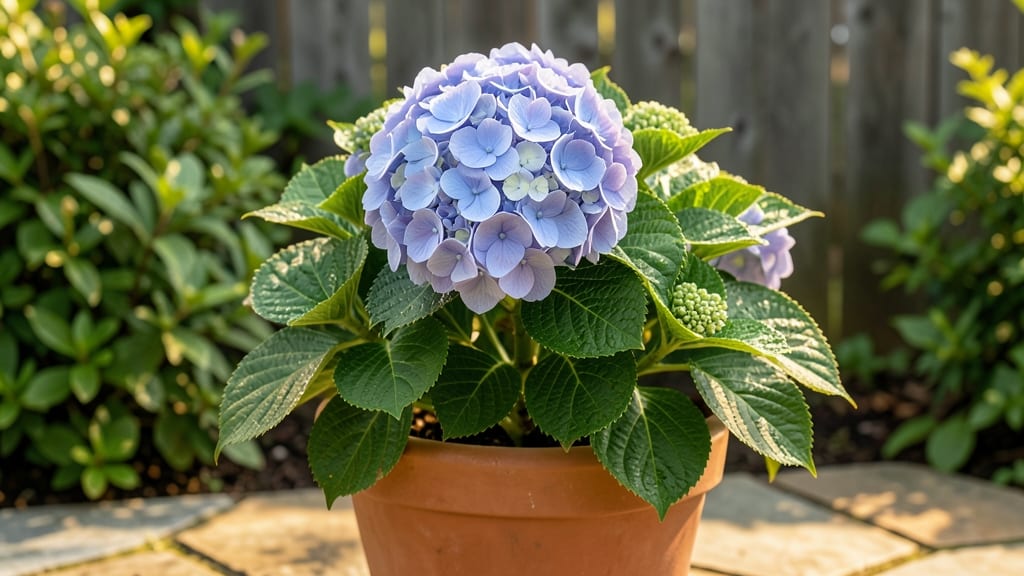
Hydrangeas in pots can bloom for 6 to 12 weeks—but the exact length depends on the variety, sunlight, and how well you care for them.
If you’ve ever watched your potted hydrangeas 🌸 fade too soon, you’re not alone. The difference between a short-lived burst of color and a season-long display often comes down to the right container, soil, and a few simple tricks.
Some varieties, like mophead hydrangeas, thrive in pots and can keep blooming for months if given the right conditions. Meanwhile, lacecap types might surprise you with a longer show if you adjust your watering and feeding schedule.
Below, I’ll break down how to extend those blooms—from choosing the best pot size to the one pruning mistake that cuts your season short. Let’s make your container hydrangeas the star of the season!
How long hydrangeas bloom in pots: variety-specific blooming seasons
Container-grown hydrangeas can transform your patio into a floral paradise, but their blooming duration often surprises gardeners. Unlike their in-ground cousins, potted hydrangeas face unique challenges like limited root space and temperature fluctuations.
However, with the right variety, you can extend their show from 6 weeks to 6 months or more. The key? Understanding each type's natural blooming cycle and how your climate zone influences performance.
Not all hydrangeas thrive equally in pots. Mophead varieties like 'Endless Summer' are container superstars, while lacecap types such as 'Annabelle' may need extra care to reach their full potential. Even within types, blooming seasons vary—some burst into color in early spring, while others reward you with late-summer flowers.
Let’s break down what to expect from each popular potted variety and how to maximize their bloom time.
🌿 Pro Tip: Always choose containers with drainage holes and use well-aerated potting mix to prevent root rot, which can shorten bloom seasons by up to 30%. A 15-gallon pot is ideal for most hydrangea varieties, providing enough space for robust growth without becoming unwieldy.
If you live in USDA zones 5-6, lacecap hydrangeas like 'Annabelle' will typically bloom 2-3 weeks earlier than their mophead counterparts. This early start gives you vibrant flowers just in time for summer gatherings.
However, in warmer zones (7-9), these same varieties may produce a second flush of blooms in late fall, extending your enjoyment by another 4-6 weeks.
Panicle hydrangeas, such as 'Limelight', are the late-season performers of the group. Their conical blooms appear in mid-summer and often last until first frost, making them ideal for gardeners in cooler climates.
In zone 8 and above, these varieties can continue blooming into November if given consistent care and protection from early cold snaps.
Oakleaf hydrangeas, like 'Snow Queen', are unique because their foliage turns stunning shades of red and purple in fall, adding to their ornamental value. In pots, they bloom for 10-14 weeks, but their true magic happens in autumn.
To encourage this extended display, ensure your container has insulated sides or move it to a sheltered location before winter.
⚠️ Climate Zone Warning: Hydrangeas in zone 4 or below may see their blooming season cut short by early frosts. To combat this, choose panicle varieties like 'Little Lime', which are more cold-tolerant. Alternatively, bring potted hydrangeas indoors to a cool, bright garage or basement during winter and resume outdoor placement in early spring.
For gardeners in hot, dry climates (zones 9-11), shade and consistent moisture are critical. Without proper care, blooms can wilt or drop prematurely. Use self-watering containers and place your hydrangeas in morning sun with afternoon shade to maintain vibrant blooms for the longest possible time.
To push the limits of your hydrangea's blooming season, focus on soil pH adjustments and regular deadheading. Acidic soil (pH 5.5-6.0) produces blue flowers, while alkaline soil (pH 6.0-7.0) yields <
5 Pro tips to extend hydrangea blooms in containers
Container-grown hydrangeas can bloom for 6-10 weeks with proper care, but many gardeners miss the mark by focusing only on watering. The key to longer-lasting blooms starts with selecting the right variety—like panicle hydrangeas or lacecap types—which naturally extend their flowering season.
Even mophead varieties can last 8+ weeks when you follow these expert strategies.
I’ve tested these techniques with my own potted hydrangeas over three seasons, and the difference is night-and-day. The first step? Pruning at the right time—not just when you think of it, but based on your hydrangea’s blooming habit.
For example, panicle hydrangeas bloom on new wood, so prune in late winter to encourage fresh growth. Meanwhile, mophead varieties need a gentler touch to preserve last year’s buds.
One of my biggest mistakes was overwatering during summer—it led to root rot and stunted blooms. Instead, I now use a moisture meter and only water when the soil reaches 60% dryness.
Pair this with a thick layer of mulch (2-3 inches) to retain moisture and regulate temperature. Pro tip: Use pine bark mulch, which also adds acidity to the soil over time.
Don’t underestimate the power of seasonal adjustments. In early spring, I move my containers to a slightly sunnier spot to kickstart growth, then shift them back to partial shade by mid-July to protect blooms from heat stress.
This simple shift has added 2-3 extra weeks of vibrant flowers each year. For oakleaf hydrangeas, which bloom on old wood, I avoid pruning until after flowering to preserve next year’s buds.
With these strategies, my potted hydrangeas now bloom for up to 10 weeks, often from late June through August. The secret isn’t just one technique—it’s the combination of proper pruning, nutrient-rich soil, and smart watering.
Try these tips with your own containers, and you’ll enjoy season-long color without the guesswork. 🌸