
How To
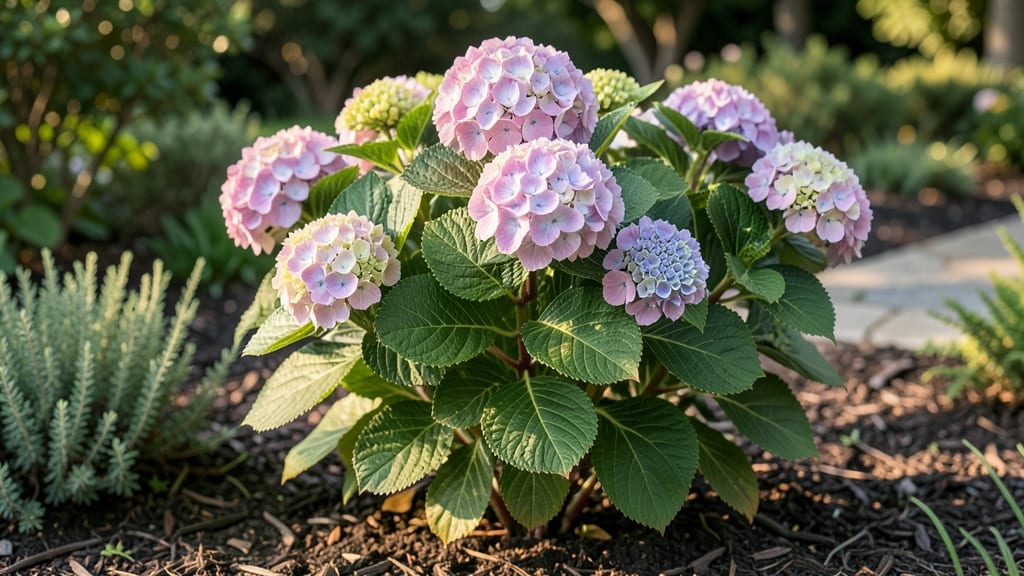
Hydrangeas typically bloom for 4 to 8 weeks each growing season, with reblooming varieties like 'Endless Summer' offering extended color well into fall when cared for properly. Traditional types such as 'Annabelle' produce a single, vibrant display in late spring to early summer.
This bloom window varies dramatically between hydrangea types.
Rebloomers need careful pruning to encourage second flushes, while non-rebloomers rely on winter dormancy to set next year's buds. 🌸 The key difference is in their growth cycles—rebloomers like macrophylla varieties can push out new flowers after deadheading, while arborescens types focus all their energy on one spectacular spring show.
Understanding your specific variety determines whether you'll enjoy months of color or just a fleeting summer display.
For maximum impact, I recommend monitoring your plants' specific needs—rebloomers often benefit from late-summer pruning, while non-rebloomers should be left alone until after their first bloom fades.
Proper watering and soil pH adjustments can also extend the flowering period by weeks, especially in hot climates where moisture stress accelerates bloom decline.
💡 In This Article
- Reblooming vs Non-Reblooming Hydrangea Flowering Cycles
- Tips to Prolong Hydrangea Blooms All Season
Reblooming vs non-reblooming hydrangea flowering cycles
The flowering differences between reblooming and non-reblooming hydrangeas come down to their biological growth patterns. Rebloomers like Hydrangea macrophylla (bigleaf types) produce two distinct sets of flower buds: one on old wood formed the previous year, and another on new growth.
This dual system allows them to extend their bloom season—often from late spring through fall—when you remove spent blooms to encourage new ones. Non-rebloomers like Hydrangea arborescens (smooth hydrangeas) set all their flower buds during the previous summer's growth, which means their spectacular spring display is their only show.
Temperature plays a crucial role in triggering these cycles. Rebloomers need a period of winter chill (30-40°F for 4-8 weeks) to break dormancy, but they also respond to warm spring temperatures that stimulate new growth.
Non-rebloomers, however, rely entirely on the previous year's growth—their buds form in late summer and remain dormant until spring warmth activates them.
This is why non-rebloomers like 'Annabelle' produce their 6-8 week bloom in one concentrated burst, while rebloomers like 'Endless Summer' can stretch their display to 3-4 months with proper care. 🌿
The pruning approach makes all the difference. Rebloomers should be pruned immediately after their first flush (usually in late spring), removing only dead or faded blooms to encourage new growth.
Non-rebloomers, however, must be pruned in late winter or early spring—cutting back to just above the first set of leaves—to avoid removing next year's flower buds. This timing difference explains why rebloomers can produce multiple flowering cycles, while non-rebloomers have just one opportunity to shine each year.
Another key factor is sunlight exposure. Rebloomers often perform best with morning sun and afternoon shade, especially in hot climates, as excessive afternoon heat can stress the plants and shorten their bloom time.
Non-rebloomers tend to be more adaptable to full sun, which helps them produce their one spectacular display.
The right light conditions can extend bloom duration by 2-4 weeks in both types, though the mechanisms differ—rebloomers benefit from consistent energy for new growth, while non-rebloomers need optimal conditions to develop their single flush.
Consider the classic 'Annabelle' hydrangea—its massive white blooms appear in late spring and last about 6 weeks under ideal conditions. In contrast, a properly cared-for 'Endless Summer' can produce its first flush in late spring, then continue blooming through summer and into fall with deadheading.
The difference isn't just in duration but in the plant's ability to respond to seasonal cues. Rebloomers essentially have a "reset button" that allows them to produce new flowers throughout the growing season, while non-rebloomers operate on a strict one-time schedule set the previous summer.
What most gardeners don't realize is that reblooming varieties actually produce two types of flowers: sterile florets (the showy parts we admire) and fertile florets (smaller, often hidden flowers that develop into seed pods).
When you deadhead rebloomers, you're removing both types and stimulating the plant to produce more sterile florets—this is why their displays remain vibrant for months. Non-rebloomers, however, focus all their energy on producing fertile flowers for seed production, which is why their displays are so dramatic but fleeting. 🌸