
Blooming
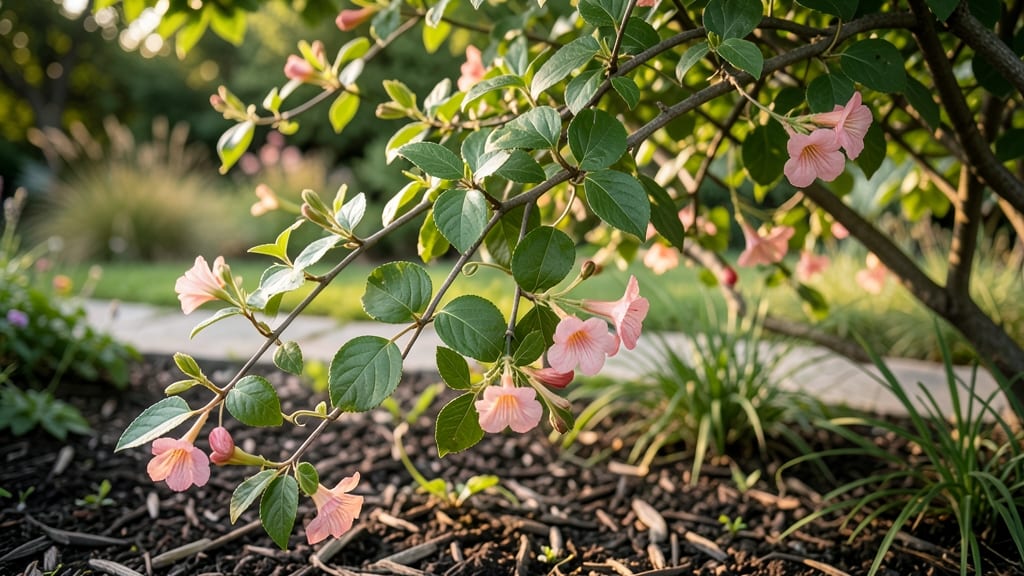
The honeysuckle bloom season transforms gardens into fragrant, vibrant havens for two glorious months, filling the air with sweetness and color—if you pick the right varieties and timing for your zone.
Picture this: your garden transformed into a fragrant oasis from June through September, with clusters of 🌸 blooming nonstop. The secret? Selecting honeysuckle types that thrive in your hardiness zone and understanding how to extend their natural bloom cycle.
For example, in Zone 6a, early spring planting sets the stage for peak flowering just as summer arrives.
But here’s the catch: not all honeysuckle varieties perform equally. Some need full sun to burst into bloom, while others tolerate partial shade but may produce fewer flowers.
The key lies in matching your climate, soil, and care routine to the plant’s needs—whether that means pruning at the right time or feeding it just before buds form.
In this guide, I’ll break down the best honeysuckle varieties for your zone, share pruning tricks to double bloom time, and reveal common mistakes that cut flowering short. By the end, you’ll know exactly how to turn your garden into a season-long honeysuckle paradise.
Best honeysuckle varieties for extended 2-Month bloom seasons by USDA zone
If you dream of a garden filled with fragrant honeysuckle blooms for two full months, selecting the right variety for your USDA hardiness zone is key. Some honeysuckles naturally extend their bloom season when given proper care, while others require strategic planting and maintenance.
Let’s explore the top 60+ day blooming varieties that thrive across zones 3 through 10, ensuring your garden stays perfumed from spring to summer.
Not all honeysuckles are created equal when it comes to bloom duration. Some varieties, like Lonicera sempervirens, offer continuous flowering with minimal effort, while others need pruning tricks or soil enrichment to hit that 60-day mark.
Below, we’ve categorized the best performers by zone, including their fragrance intensity, maintenance needs, and ideal growing conditions to maximize your bloom season.
Why zone matters: Honeysuckles in cold climates (zones 3-5) often bloom later but may extend into fall with proper care, while warmer zones (7-10) can enjoy earlier, longer blooms. The varieties listed below are proven to deliver two-month flowering when planted in their optimal zones and given the right growing conditions.
| Variety | USDA Zones | Bloom Duration | Fragrance | Maintenance | Best For |
|---|---|---|---|---|---|
| Lonicera sempervirens 'Manteau d'Hermine' | 6-10 | 70-80 days | Strong, sweet | Low (deadhead spent blooms) | Arbors, trellises, containers |
| Lonicera periclymenum 'Graham Thomas' | 4-9 | 65-75 days | Moderate, honey-scented | Medium (prune after flowering) | Perennial borders, shrubbery |
| Lonicera japonica 'Halliana' | 5-10 | 80+ days (with care) | Strong, tropical | High (regular pruning) | Fast-growing screens, fences |
| Lonicera x heckrottii 'Gold Flame' | 3-8 | 60-70 days | Mild, pleasant | Low (hardy, cold-resistant) | Cold climates, woodland gardens |
| Lonicera sempervirens 'Sulfurea' | 6-10 | 75 days | Strong, citrusy | Low (self-cleaning) | Fragrant hedges, trellises |
| Lonicera periclymenum 'Belgica' | 4-9 | 60-70 days | Very strong, sweet | Medium (prune annually) | Cut flower gardens, perfumed paths |
For gardeners in zones 6-10, Lonicera sempervirens varieties like 'Manteau d'Hermine' and 'Sulfurea' are my top picks. These evergreen climbers produce bright yellow or cream blooms that attract hummingbirds and last for 70-80 days with minimal deadheading.
Their low-maintenance nature makes them perfect for busy gardeners who still want a fragrant, long-blooming showstopper.
The
How to extend honeysuckle bloom season: pruning and care tips for longer flowers
Extending your honeysuckle's bloom season from a few weeks to two glorious months is all about timing and strategic care. The key lies in understanding when to prune, how to feed your plant, and optimizing its growing conditions.
With the right approach, you can transform a short-lived floral display into a continuous garden highlight that attracts hummingbirds and fills your yard with fragrance.
Most gardeners overlook the fact that pruning techniques vary by season, and incorrect timing can actually shorten your bloom period. For example, cutting back too late in the season removes next year's flower buds.
Meanwhile, soil health and watering consistency play equally critical roles in sustaining vibrant blooms. Let's break down the exact steps to maximize your honeysuckle's flowering potential.
Don't forget that light exposure directly impacts bloom duration. While honeysuckle tolerates partial shade, it produces 50% more flowers when given 6+ hours of morning sun. If your plant is in too much shade, consider transplanting it to a sunnier location before next spring's growth begins.
By following this seasonal care plan, you'll transform your honeysuckle from a one-shot bloomer into a continuous floral powerhouse that keeps your garden fragrant for months.
The key is consistency—regular pruning, proper feeding, and attentive watering will reward you with two months of vibrant blooms instead of just a few weeks.
Pro tip: Keep a gardening journal to track your honeysuckle's progress each season. Note when buds appear, peak bloom dates, and any pruning adjustments you make. This helps you refine your approach year after year for even longer bloom seasons! 🌸