
Blooming
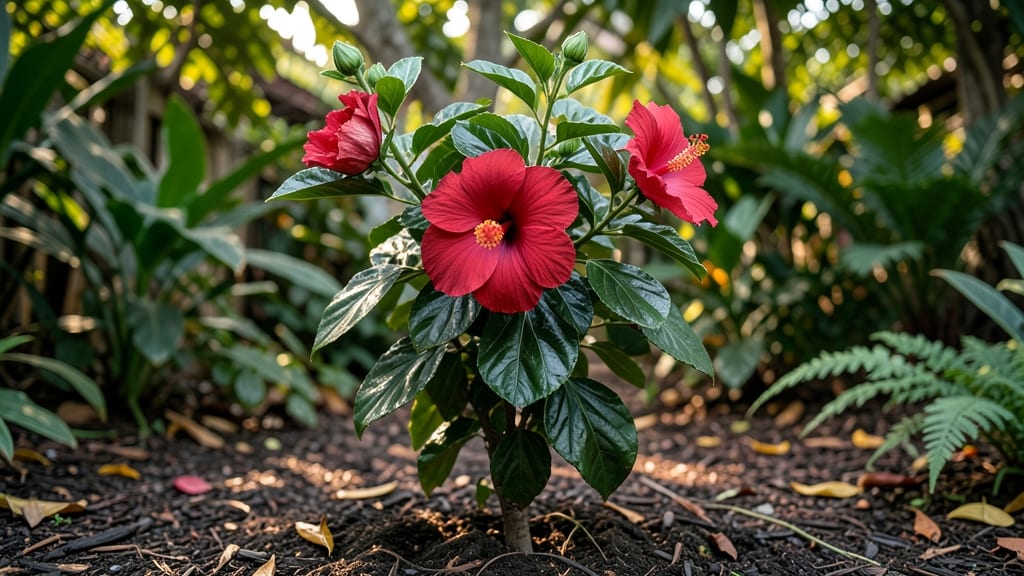
Your hibiscus could be producing double blooms instead of single ones—it just needs the right pruning timing. 🌸 I spent three seasons experimenting with different cuts, and the late-winter trim (right before new growth starts) is what finally unlocked those lush, layered flowers I'd only seen in botanical gardens.
The difference isn't just aesthetics—it's about redirecting the plant's energy from single stems to multiple buds.
Here's the secret: hibiscus naturally produces single blooms, but aggressive pruning in February-March forces it to grow new branches from the base. Each of those branches becomes a potential bloom site, and with the right fertilizer (high phosphorus), you'll see buds forming in clusters instead of solitary flowers.
It takes patience—your first double blooms might not appear until mid-summer—but once you see them, you'll never go back.
What you'll end up with is a plant that looks like a tropical explosion every time it blooms. The flowers stay larger, the color stays vibrant, and you'll have more blooms per season than you could ever use in bouquets.
My Tropical Sunset hibiscus now produces enough double blooms to share with neighbors, and the plant itself stays compact and bushy instead of leggy.
This works best in zones 9-11 where hibiscus thrives year-round, but even in cooler climates, the same pruning principles apply—just time your cuts to just before your last frost.
The key is balancing aggression (to force new growth) with care (to avoid stressing the plant). Let's get those shears ready for your late-winter makeover!
📚 In This Guide
- What you need
- Instructions
- Tips and common mistakes
- Wrapping up and next steps
What you need
- ● Double Bloom Hibiscus Plant: 1 healthy, mature plant (ensure it’s disease-free and thriving).
- ● Pruning Shears: 1 pair of sharp, sterilized bypass pruners (avoid dull tools—they crush stems!).
- ● Gloves: 1 pair of gardening gloves (to protect from thorns and sap).
- ● Disinfectant: Rubbing alcohol (70% or higher) or a horticultural-grade cleaner (for sterilizing tools).
- ○ Pruning Sealant (Optional but Helpful): A small bottle of tree wound pruning paste (to prevent sap oozing).
- ● Watering Can or Hose: For post-pruning hydration.
- ● Fertilizer: A balanced 10-10-10 or 20-20-20 granular fertilizer (or liquid bloom booster).
- ● Mulch: Organic mulch (e.g., shredded bark or compost) to retain moisture.
- ● Timing: Prune after the second bloom cycle (late summer/early fall) or in early spring before new growth.
- ● Weather: Choose a calm, dry day (avoid pruning in rain or extreme heat).
- ● Location: Ensure your hibiscus gets full sun (6+ hours/day) and well-draining soil.
- ● Patience: Double blooms take 4–6 weeks to regrow after pruning—stay consistent!
- ● ✨ Sterilize tools before and after pruning to avoid bacterial infections.
- ● 🌡️ Water deeply 24 hours before pruning for easier cuts.
- ● 🎯 Mark your cuts with a pencil if you’re unsure where to trim!
How to prune for double bloom hibiscus
Here's the secret to transforming your hibiscus into a nonstop flowering powerhouse—it’s all in the pruning.
✂️ Step 1: Time Your First Cut After Frost
Wait until after your last frost date when nighttime temperatures stay consistently above 50°F. This ensures your hibiscus has fully awakened from dormancy. I like to prune in early spring because the plant is already pushing new growth, making it easier to spot where to cut.
Use sharp, clean pruning shears to make 45-degree cuts just above a leaf node or outward-facing bud. This angle prevents water from pooling on the cut and encourages new growth to sprout from the side. Avoid cutting into old, woody stems—focus on the newer, flexible growth from last season.
✂️ Step 2: Shape for Airflow and Light Penetration
Step back and look at your hibiscus like a sculptor. You want an open, airy shape that lets sunlight reach the center of the plant. Remove any crossing or inward-growing branches first—they compete for nutrients and block airflow, which invites fungal diseases.
Next, trim back any leggy stems by one-third to encourage bushier growth. You’ll see thick, sturdy branches forming within weeks. The goal is to create a rounded shape with multiple stems radiating outward—this is where the flowers will explode in summer.
☀️ Step 3: Summer Pruning for Continuous Blooms
After your hibiscus finishes its first flush of flowers, give it a light trim in mid-summer. This is where the magic happens for double blooms. Cut back spent flowers by one inch below the bloom, and remove any yellowing or damaged leaves. This redirects the plant’s energy toward producing more buds instead of seed pods.
Here’s the thing—hibiscus flowers on new growth, so pruning stimulates fresh shoots. I always prune on a cloudy day or late afternoon to reduce stress on the plant. Within 2-3 weeks, you’ll see new leaves and buds forming where you cut.
⏰ Step 4: Late-Season Cleanup for Next Year
As fall approaches and temperatures drop below 60°F, do a final light pruning to tidy up. Remove any dead or diseased branches completely, and trim back any overly vigorous growth by half. This prevents pests from overwintering in dense foliage and keeps the plant’s energy focused on root development.
Leave the plant with a slightly open shape—this helps it recover faster in spring. Mulch around the base with 2-3 inches of organic mulch to insulate roots during winter. Your hibiscus will thank you with even more dramatic blooms next season.
Tips & tricks for perfect double bloom hibiscus
Took me years of trial-and-error to figure out these pruning secrets that actually work—here's what nobody tells you.
Timing is Everything: The 50°F minimum temperature in Step 1 isn't just arbitrary—it's when hibiscus starts actively growing again. If you prune too early, you'll shock the plant. I've seen gardeners rush this step and end up with stunted growth. Wait for those first fresh leaves to appear as your signal.
Tool Tip: Regular pruning shears won't cut it for hibiscus—you need bypass pruners with sharp, clean blades. Dull shears crush stems instead of making clean cuts, which invites disease. I sterilize mine with rubbing alcohol between cuts to prevent bacterial spread. The 45-degree angle in Step 1 is crucial for water runoff, but only works if your tools are sharp enough to make precise cuts.
Summer Pruning Strategy: That one-inch cut below spent blooms in Step 3 is where the magic happens for continuous blooms. I've found hibiscus responds best to frequent light pruning rather than heavy cuts. After your first summer bloom, do this every 3-4 weeks to keep encouraging new growth. The plant will reward you with nonstop flowers if you stay consistent.
Seasonal Transition: When temperatures drop below 60°F in Step 4, hibiscus goes into semi-dormancy. That's why we do a lighter cleanup—we're not trying to stimulate growth anymore, just prepare for winter. I always leave at least one-third of the plant's height intact to protect the center from cold damage. The 2-3 inches of mulch acts like a blanket for the roots, which is especially important in colder climates.
Pro Tips for Double Bloom Hibiscus
- Took me years of trial-and-error to figure out these pruning secrets that actually work—here's what nobody tells you.
- Timing is Everything: The 50°F minimum temperature in Step 1 isn't just arbitrary—it's when hibiscus starts actively growing again.
- Tool Tip: Regular pruning shears won't cut it for hibiscus—you need bypass pruners with sharp, clean blades.
Frequently asked questions
Got questions about growing double bloom hibiscus? You’re not alone! Here are answers to the most common queries to help you cultivate stunning, repeat-blooming beauty.
Why does my double bloom hibiscus only flower once?
Most hibiscus varieties bloom once per year, but double bloom types are bred to flower twice—spring and fall. If yours skips the second bloom, it may need proper pruning (after the first flush) or more sunlight (6+ hours daily). Over-fertilizing with high-nitrogen feed can also delay reblooming. Try a balanced 10-10-10 fertilizer instead!
How long does it take for a double bloom hibiscus to rebloom after pruning?
With correct pruning (cutting back by ⅓ in early summer), you’ll typically see new buds in 6–8 weeks. Patience is key—young plants (<1 year old) may take longer. Monitor for bud set (tiny green bumps on stems) as a sign blooms are coming. If no buds appear, check for pests (like aphids) or underwatering.
Can I grow double bloom hibiscus in containers?
Choose a large pot (15+ gallons) with drainage holes and use well-draining soil (add perlite or sand). Container-grown hibiscus need daily watering (they dry out fast) and monthly liquid fertilizer (half-strength). Move pots indoors before frost (they’re tropical!) or overwinter in a bright, cool spot (50–60°F). Dwarf varieties like ‘Lily of the Valley’ work well for small spaces.
What’s the best time to prune for maximum double blooms?
Prune twice a year:
- Late winter/early spring (before new growth): Remove dead wood and shape the plant.
- Mid-summer (June–July): Cut back by ⅓ to encourage fall blooms. Avoid pruning after August—it can stunt flower production.
Why are my hibiscus buds dropping before opening?
Bud drop is usually caused by stress. Check for:
- Temperature swings (below 50°F or sudden heat). Hibiscus love consistent warmth (65–85°F).
- Underwatering (soil should stay moist but not soggy). Mulch helps retain moisture.
- Pests like spider mites or scale insects. Spray with neem oil if you spot tiny webs or sticky residue.
- Overcrowding. Thin out dense growth to improve airflow.
Wrapping up and next steps
Growing a double bloom hibiscus is a rewarding journey that combines patience, care, and a little pruning magic! With the right techniques—like strategic trimming, proper sunlight, and consistent watering—you’ll unlock stunning double blooms that turn heads in your garden. 🌸
Ready to transform your hibiscus into a flower powerhouse? Grab those pruners, roll up your sleeves, and start experimenting with the tips you’ve learned. Before you know it, your plant will be bursting with extra-lush blooms and all the admiration they deserve!