
Pests
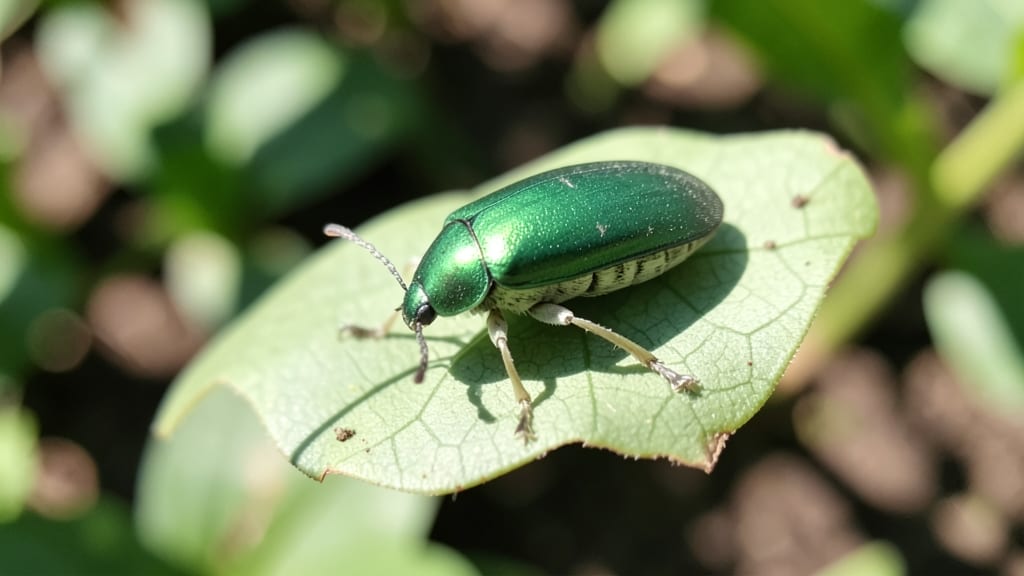
Those shiny green flower beetles might look pretty, but they’re actually flower killers. 🌿 I’ve battled them in my garden for years, and I’ve learned which tricks actually work—no harsh chemicals needed.
These beetles are easy to spot with their bright green bodies and long antennae, but they’ll strip petals and damage buds if you let them.
The problem starts when they swarm flowers in late spring and summer, chewing through petals and leaving plants looking ragged.
Most sprays fail because beetles are tough, but I’ve found that a mix of physical removal, neem oil sprays, and row covers keeps them in check without harming your garden’s ecosystem.
You’ll see a noticeable difference in just a few days—flowers stay intact, and the beetles move on to easier targets. The key is acting fast when you spot them, before they turn your blooms into a buffet. Let’s get those pests under control the right way.
Works for roses, hydrangeas, and any other favorite flowers that draw these beetles. Here’s how to make them leave your garden alone for good.
Hidden Triggers Inviting Them In
When you spot a vibrant green flower beetle (like the Clytus arietis or Chalcosoma atlas) lurking in your garden or home, it’s rarely a random visit. These beetles are drawn to specific conditions—some natural, some human-made—that signal safety, food, or breeding opportunities.
Understanding these triggers helps you prevent their unwelcome appearances before they become a problem.
🌿 Overripe or Decaying Plant Matter
Green flower beetles (and their larvae) are detritivores, meaning they thrive on decomposing organic material. Overripe fruits, fallen leaves, compost piles, and even rotting wood become a buffet for them. Their sharp mandibles can chew through soft plant tissue, leaving behind unsightly holes or wilting foliage.
- Why it happens: Beetles detect volatile organic compounds (VOCs) released by decaying matter, like ethanol and acetic acid, which act as chemical signals. Larvae, in particular, burrow into damp, rotting wood or mulch to pupate.
- Actionable fix:
- 🔥 Remove fallen fruit from trees, lawns, and patios within 24 hours—beetles can detect it from yards away.
- 🌡️ Dry out compost piles by turning them frequently and avoiding over-moisture. Aim for a 50:50 carbon-to-nitrogen ratio (e.g., brown leaves + green grass clippings).
- ✨ Prune dead branches in late winter/early spring to eliminate larval hiding spots.
💧 Excess Moisture in Soil or Wood
Beetle larvae require moisture to survive, which is why they target damp soil, waterlogged mulch, or even leaking irrigation systems. Adults may also seek out humid microclimates, like the underside of pots or shaded garden beds.
- Why it happens: Larvae can’t survive in dry conditions—their exoskeletons lose moisture quickly. They seek out soil with a water content above 20%, often near plant roots or cracked wood.
- Actionable fix:
- 💡 Improve drainage in garden beds by amending soil with perlite or sand. Avoid overwatering—stick to 1 inch per week (including rainfall).
- 👨🍳 Use gravel or landscape fabric under mulch to create a barrier between soil and moisture-retentive layers.
- 🔪 Fix leaks in hoses, sprinklers, or irrigation systems—standing water attracts beetles and their larvae.
🌸 Flowering Plants as False Havens
While green flower beetles aren’t pollinators like bees, they’re often mistaken for beneficial insects. Some species (e.g., Cetonia aurata) are drawn to bright, fragrant flowers, but they don’t help your garden—they eat the petals, leaves, and even young seeds.
- Why it happens: Beetles are attracted to nectar-rich blooms (like roses, sunflowers, or hibiscus) and scented compounds such as linalool and geraniol, which mimic food sources. Once on the plant, they may lay eggs in the soil below.
- Actionable fix:
- 🎯 Choose beetle-resistant plants like lavender, marigolds, or Tagetes (which repel pests naturally). Avoid planting near vulnerable crops like tomatoes or peppers.
- 🌡️ Deadhead flowers regularly to remove spent blooms—beetles use them as egg-laying sites.
- ✨ Install yellow sticky traps near flower beds to intercept adult beetles before they damage plants.
🏠 Human Habits Accidentally Luring Them
Even well-maintained gardens can become beetle magnets if everyday habits create unintended invitations. Leaving pet food out, storing firewood improperly, or ignoring basement cracks can turn your home into a beetle buffet.
- Why it happens:
- Pet food/waste: Protein-rich scraps (like meat or fish) attract beetles seeking nutrients.
- Firewood storage: Stacked wood near your home provides ideal larval habitats—damp, dark, and undisturbed.
- Structural gaps: Beetles slip through 1/16-inch cracks in siding, windows, or doors, especially if drawn by indoor lights.
- Actionable fix:
- 🔥 Store pet food in sealed containers and clean up spills immediately. Avoid feeding pets outdoors at dusk.
- 👨🍳 Keep firewood at least 20 feet from your home and elevate it off the ground on a rack.
- 🔪 Seal gaps in your home’s exterior with caulk or weather stripping, focusing on areas near doors, vents, and foundation cracks.
Pro Tip: 💡 Monitor beetle activity seasonally—most species are most active in late spring to early summer. Set up weekly checks for egg masses (tiny white clusters in soil) or adult beetles on plants to catch infestations early.
Quick Fixes for Beetle Infestations
Got an unwanted visit from vibrant green flower beetles? Don’t panic—these striking insects can be managed with simple, nature-friendly strategies. Below, we’ve mapped out practical solutions based on the most common causes of their presence, along with prevention tips to keep them away for good.
🌿 If They’re Drawn to Your Garden Plants
Cause: Flowering plants, herbs, or vegetables attract beetles with their nectar, pollen, or scent. Fix:
- 🔥 Remove Infested Plants Temporarily – Move or prune heavily infested flowers (like roses, marigolds, or sunflowers) indoors for a few days to break their feeding cycle.
- 🍳 Use Neem Oil Spray – Mix 1 tsp neem oil + 1 tsp dish soap + 1 quart of water, spray on leaves (especially undersides), and reapply every 3–5 days. Beetles dislike the smell and avoid treated plants.
- 👨🍳 Set Up a Beetle Trap – Place a yellow sticky trap or a shallow dish filled with soapy water near affected plants. Beetles are attracted to yellow and will drown.
💡 Prevention Tip:
- 🌡️ Plant Repellent Herbs – Surround your garden with basil, mint, or lavender—their strong scents deter beetles naturally.
🏡 If They’re Invading Your Home
Cause: Beetles sneak in through open windows, cracks, or unsealed entry points while searching for food or shelter. Fix:
- 🔪 Seal Entry Points – Inspect doors, windows, and foundation cracks. Use caulk or weather stripping to block gaps wider than 1/8 inch.
- ⏰ Reduce Indoor Lighting at Night – Beetles are attracted to outdoor lights. Switch to yellow bug lights or motion-sensor lights to minimize their interest.
- 🥘 Store Food Properly – Keep fruit, vegetables, and pet food in airtight containers—beetles (especially larvae) love organic matter.
💡 Prevention Tip:
- ✨ Install Fine Mesh Screens – Cover vents, chimneys, and attic openings with 16-mesh or finer screens to physically block beetles.
🌱 If They’re Damaging Your Lawn or Soil
Cause: Larvae (grubs) feed on grass roots, while adults may tunnel into mulch or compost piles. Fix:
- 🍳 Apply Diatomaceous Earth (DE) – Sprinkle food-grade DE around the base of plants or lawn edges. It’s non-toxic but deadly to beetles by dehydrating them.
- 👨🍳 Encourage Natural Predators – Attract birds, toads, or ground beetles by keeping a healthy garden ecosystem with diverse plants and water sources.
- 🔪 Till the Soil (If Necessary) – If larvae are severe, loosen the top 2–3 inches of soil in late summer to expose them to predators and dry conditions.
💡 Prevention Tip:
- 🎯 Avoid Overwatering – Wet soil attracts beetle larvae. Water deeply but less frequently to discourage breeding.
🚨 Emergency Removal for Large Swarms
If you’re facing a sudden beetle swarm, act fast:
- 🔥 Vacuum Them Up – Use a shop vac or handheld vacuum to suck them into a bag, then dispose of them outdoors far from your home.
- 🍳 Create a Soapy Water Trap – Mix 1 gallon of water + 2 tbsp dish soap in a bucket. Beetles will drown within minutes.
- 👨🍳 Freeze Them Out – If they’re in garages or sheds, seal the area and use a space heater (safely!) to raise temperatures—beetles cannot survive above 100°F.
Final Thought: Most beetle issues are preventable with proactive garden care and smart home sealing. Start with one or two fixes that match your situation, and you’ll see results in days to a week! 🚀
Frequently asked questions
How can I tell if the beetles in my garden are harmful green flower beetles?
Look for bright green, shiny adults with long antennae and oval-shaped bodies—these are the culprits! They often gather on flowers like roses or sunflowers, chewing petals and leaving behind jagged holes. Unlike beneficial pollinators, they don’t help your plants—they damage them. Check the undersides of leaves too, where they may hide.
Are green flower beetles active all year, or just during certain seasons?
These pests are most troublesome during late spring through early fall, peaking in summer when flowers bloom and temperatures rise. Larvae overwinter in soil or wood, emerging as adults when conditions warm up. Keep an eye on your garden during these months—early action prevents major damage.
Why do green flower beetles suddenly appear in large numbers?
Swarms often mean they’ve found a food source—overripe fruit, damp mulch, or vulnerable flowers—and are laying eggs nearby. They’re also drawn to standing water or decaying plant matter, which attracts their larvae. Clean up garden debris and check for moisture buildup to deter them.
Can I use chemical sprays to kill green flower beetles?
Not recommended! Most chemicals harm beneficial insects too and can contaminate soil. Instead, try neem oil sprays or soapy water traps—these target the pests without disrupting your garden’s ecosystem. If you must use chemicals, opt for organic insecticidal soap as a last resort.
How do I prevent green flower beetles from returning next season?
Start by removing fallen fruit and dead plant matter regularly, and improve drainage in your garden beds. Plant repellent herbs like basil or lavender around vulnerable flowers, and seal cracks in your home’s exterior to block entry. A clean, well-maintained garden makes your space less inviting to pests!