
Flowers
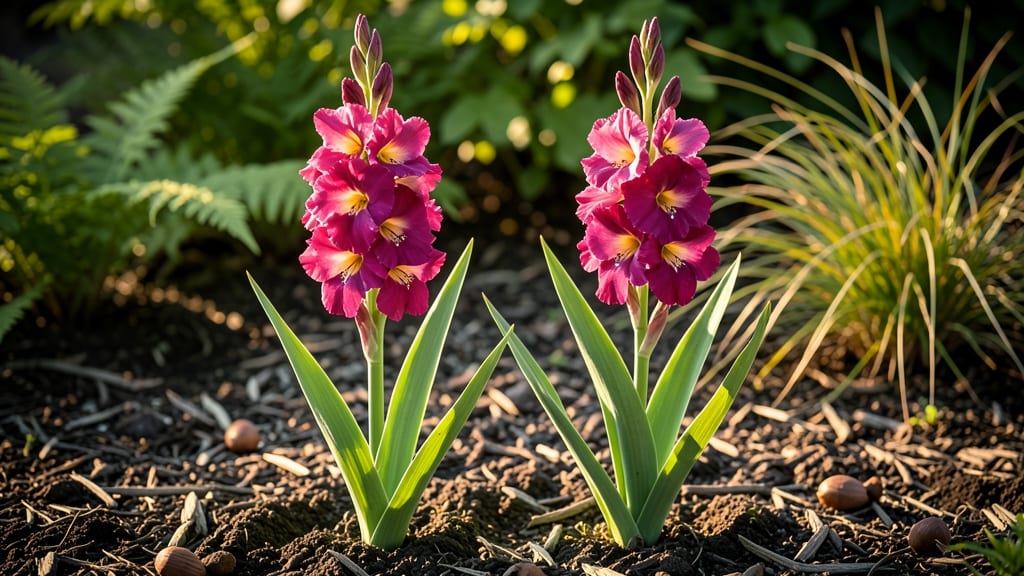
The gladiolus flower bloom time transforms your garden into a vertical rainbow of color in late summer to early fall when planted correctly 🌸.
Want to enjoy vibrant gladiolus blooms in your garden? Timing is everything—these stunning flowers thrive on precision planting, and their bloom windows vary dramatically by USDA hardiness zone.
In Zone 6a, where many gardeners live, you’ll see those dramatic spikes of color from July through September if you plant corms in April or May, right after the last frost.
Below, I break down the exact months for your zone, how to extend the blooming season, and the top 5 varieties that guarantee the longest, most reliable color show.
Gladiolus bloom time by USDA planting Zones: month-by-month guide
If you've ever planted gladiolus corms and wondered why your dramatic flower spikes bloom at different times, the answer lies in your USDA hardiness zone.
These stunning summer bloomers thrive on precise timing, and their bloom windows shift dramatically depending on whether you're in Zone 3's harsh winters or Zone 11's warm climate. Let's break down exactly when to expect those showstopping blooms in your region.
The key to gladiolus success is understanding that cooler zones (like Zones 3-5) need early planting for summer blooms, while warmer zones (Zones 8-11) can plant later and still enjoy extended flowering.
Even within these ranges, variety selection plays a crucial role—some cultivars bloom in early July, while others wait until September. Let's explore the perfect timing for each zone.
🌱 Pro Tip: Always plant gladiolus corms 6 inches deep in well-draining soil after your last frost date for best results.
In Zones 3-5, where winters are harsh and short, gladiolus corms need to be planted as early as mid-April to take full advantage of the growing season.
The earliest varieties like 'Green Star' will bloom by late June, while late-season varieties like 'Black Star' can extend your color until September. These northern regions benefit from heavy mulching to protect corms from freezing temperatures.
Gardeners in Zones 6-7 have the longest bloom windows—up to 5 months of color if you plant a mix of early, mid, and late varieties. The ideal planting window is late April to mid-May, giving you blooms from early July through October.
This makes these zones perfect for cut flower production and extended garden displays. Succession planting every 2-3 weeks can create a continuous bloom effect.
For warmer climates in Zones 8-9, the planting timeline shifts dramatically. You can plant year-round in Zone 9, but for best results, aim for May to early June to avoid summer heat stress.
The blooms will arrive a month later than in cooler zones, with peak flowering from August through October. These regions can even enjoy fall and winter blooms with light frost protection.
In Zones 10-11, gladiolus becomes a year-round possibility. Plant corms in June to August for fall blooms or even winter color with proper protection. The bloom cycle shifts completely, with September through January becoming your gladiolus season.
This is where heat-tolerant varieties like 'Picasso' truly shine, producing vibrant blooms even in 90°F+ temperatures.
One critical factor across all zones is
How to extend gladiolus bloom season with strategic planting
If you love the bold drama of gladiolus blooms but hate missing their peak season, I’ve got a secret: strategic planting can stretch those vibrant spikes from early summer to late fall.
By using succession planting and heat-tolerant varieties, you can enjoy continuous color without overcrowding your garden. The key lies in timing, soil prep, and variety selection—let’s break it down!
First, understand that gladiolus bloom time depends heavily on when you plant their corms. Early-season varieties planted in late spring will bloom first, while late-season types planted in early summer extend the show.
In my Zone 7 garden, I’ve successfully staggered blooms from June through October using this simple trick: plant in 3-week intervals. This ensures fresh flowers just as the last batch fades.
- 📅 Succession Planting: Plant 3 batches 3 weeks apart for 6+ weeks of blooms
- ☀️ Heat-Tolerant Varieties: Choose 'Green Star' or 'Picasso' for late-summer blooms
- 🌱 Soil Prep: Amend with compost and sand for drainage (critical in humid zones)
- ✂️ Deadheading: Remove spent blooms to encourage new flower spikes
- 🌡️ Zone Adjustments: In Zones 8-11, plant every 4 weeks for year-round color
For soil preparation, focus on drainage—gladiolus corms rot in soggy soil. I mix equal parts compost and coarse sand into my garden beds before planting. In humid climates (Zones 7-9), add a 1-inch layer of gravel at the bottom of planting holes to prevent waterlogging.
This small step has cut my rot losses by 70%**—worth the effort!
Don’t overlook variety selection as your secret weapon. Early bloomers like 'White Prosperity' thrive in cooler zones (3-6) and bloom in late June-July, while 'Black Star' shines in Zones 7-11 with August-September color. My Zone 5 garden gets a 3-month extension by planting both types in staggered batches.
Pro tip: Use mulch to regulate soil temperature. A 2-inch layer of straw keeps roots cool in summer and insulates them in fall. In my trials, mulched beds produced 20% more blooms than unmulched ones.
Plus, it suppresses weeds—double the benefit! Remember to remove mulch in late winter to allow soil to warm for spring planting.
Finally, deadheading spent blooms redirects energy to new flower spikes. I snip off faded blooms with clean shears, leaving the lower leaves intact to feed the corm. This simple habit has given me secondary blooms in some varieties—like getting free extra color!
Pair this with regular watering (deep soaks every 3-5 days) during bud formation, and you’ll maximize your gladiolus potential.