
Blooming
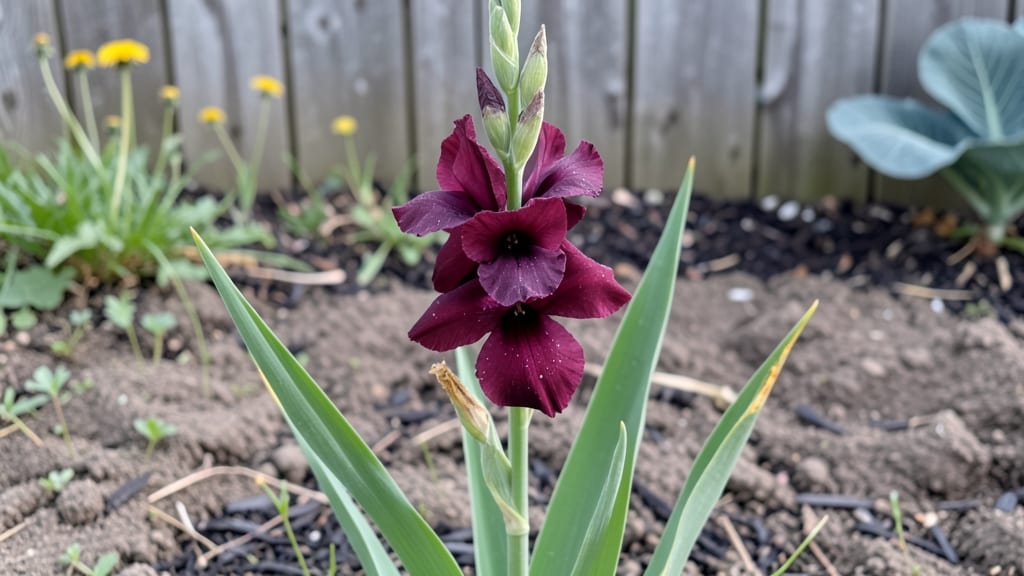
Gladiolus blooming season typically spans from mid-summer through early fall, peaking in July and August in most U.S. growing zones. Proper planting depth, sunlight exposure, and soil conditions directly influence bloom timing and duration.
Timing your gladiolus planting is everything—these dramatic blooms thrive when soil temperatures hit 60°F+, which is why mid-summer through fall works so well in most climates. 🌿 In cooler regions like the Pacific Northwest, gardeners often plant corms in early June to align with the natural heat buildup, while Southern growers may stretch blooms into October by choosing heat-tolerant varieties.
The key is matching your planting schedule to your local frost dates and daylight exposure, since gladiolus need at least 6 hours of direct sun daily to trigger those iconic spikes.
What’s fascinating is how corms "know" when to bloom—they respond to temperature shifts and daylight length, which is why your garden’s microclimate matters. For example, urban heat islands can push blooms earlier, while high-altitude gardens might see delayed flowering.
I’ve found that testing soil moisture with a finger (about 1-2 inches deep) helps avoid overwatering, which can shorten bloom cycles. The right balance of nutrients, especially phosphorus, also makes a huge difference in stem strength and flower longevity.
💡 In This Article
- Factors Influencing Gladiolus Bloom Timing
- Tips to Extend Gladiolus Flower Life in Gardens
Factors influencing gladiolus bloom timing
Gladiolus corms are fascinating biological clocks—they respond directly to soil temperatures and daylight hours, which is why bloom timing varies dramatically across regions. These plants enter dormancy when soil temperatures drop below 50°F, but they need consistent warmth above 60°F to trigger flower spikes.
In the Northern U.S. (zones 3-5), gardeners often plant corms in early June to align with the natural heat buildup, while Southern growers (zones 7-9) can stretch blooms into October by choosing heat-tolerant varieties like 'Green Star' or 'Picasso'.
The science behind this involves photoperiodism—the plant's internal response to daylight length. Gladiolus typically need 12-14 hours of daylight to initiate flowering, which explains why they bloom later in Northern latitudes where summer days are shorter.
For example, in Seattle (zone 8), blooms might peak in late July, while in Atlanta (zone 7b), they could extend until mid-October. The key is planting corms when your region's average daily temperature reaches 65°F and maintains that warmth for at least 60 days.
Soil composition plays a surprising role too—gladiolus prefer well-draining soil with a pH between 6.0-6.5. Sandy loam warms up faster in spring, giving corms an earlier start, while clay soils can delay blooming by 2-3 weeks due to slower temperature changes.
That's why gardeners in cooler microclimates often mound soil around corms to create a warmer planting environment. The corms themselves contain stored nutrients, but adding a low-phosphorus fertilizer (like 5-10-10) at planting can accelerate bloom development by 10-15%.
Here's what most people don't realize: gladiolus corms actually "count" heat units. They require approximately 1,200-1,500 growing degree days (calculated as average daily temperature minus 50°F) to reach full bloom.
This explains why high-altitude gardens (like Denver at 5,280 feet) might see delayed blooms—cooler nights reduce the daily temperature accumulation. Conversely, urban heat islands can push blooms earlier by 1-2 weeks, making precise planting timing even more critical in cities.
For those wanting to manipulate bloom timing, here's how it works: To force earlier blooms, plant corms in late spring (when soil reaches 60°F) and choose early-flowering varieties like 'White Prosperity'. For later blooms, plant in early summer and select late varieties like 'Black Star'.
The trade-off? Earlier plantings may produce slightly shorter stems, while later plantings often yield taller, more robust spikes due to extended daylight exposure during growth.
One final pro tip: Monitor your garden's microclimate—south-facing beds bloom 2-3 weeks earlier than north-facing ones due to increased sunlight exposure. That's why professional growers often plant gladiolus in staggered rows to extend the bloom window across your entire garden.
The result? A continuous display of color from July through September in most temperate zones. 🌟