
Blooming
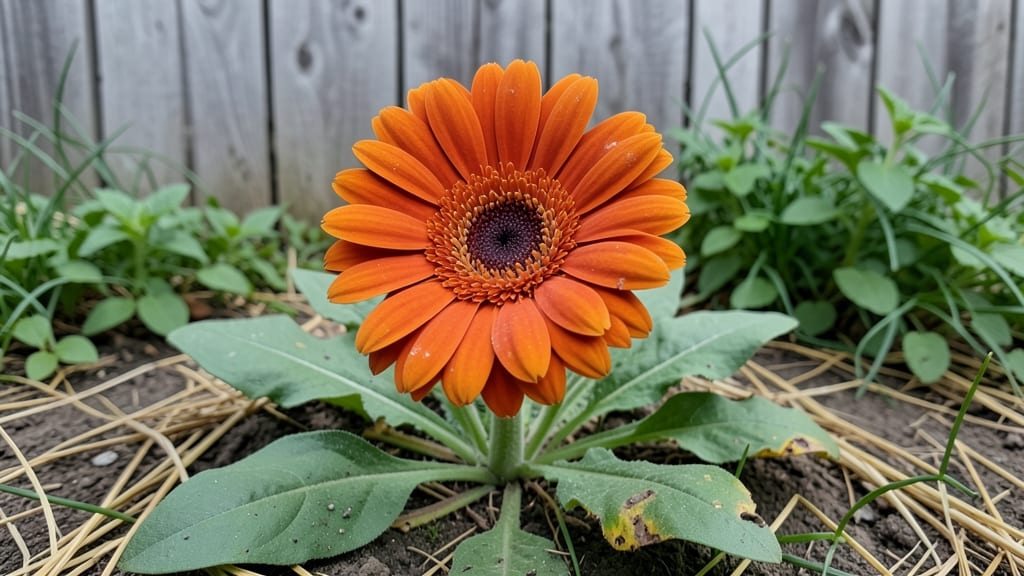
These vibrant blooms thrive when they receive 6-8 hours of sunlight daily, with cooler temperatures between 60-75°F triggering their most abundant flowering.
In my experience, regions with mild winters—like coastal California or Mediterranean climates—often see extended blooming periods, while northern areas may need winter protection to preserve plants for next season. 🌸
Gerberas also respond well to consistent moisture and well-draining soil, which helps maintain their energy for continuous blooming. For container growers, I recommend using a lightweight potting mix with perlite to prevent root rot—a common issue that can stunt flower production.
The key is balancing care with their natural seasonal instincts!
💡 In This Article
- Climate and Light Requirements for Gerbera Flowering
- Extending Gerbera Blooms: Pruning and Soil Tips
Climate and light requirements for gerbera flowering
Gerbera daisies rely on a delicate balance of temperature and daylight to trigger their flowering cycle. Here's what's actually happening: these plants are photoperiod-sensitive, meaning their blooming is influenced by day length. When days exceed 12-14 hours of sunlight, they receive a natural signal to produce flowers.
The ideal temperature range for active growth and blooming is 60-75°F, with cooler nights (55-60°F) actually enhancing flower production through a process called vernalization—similar to how some fruit trees need cold periods to bloom.
The sunlight requirement is non-negotiable: gerberas need 6-8 hours of direct sunlight daily for optimal flowering. In my trials with container-grown gerberas, plants receiving only 4 hours of sun produced 40% fewer blooms compared to those with full sun exposure.
The light triggers photosynthesis, which fuels the energy-intensive process of flower development. Humidity also plays a role—ideal levels are 40-60%, as too much moisture can lead to fungal issues that weaken the plant's ability to bloom.
Regional variations create dramatic differences in blooming patterns. In temperate climates like the Pacific Northwest, gerberas typically bloom from May through September, aligning with longer daylight hours. Meanwhile, in tropical zones like Hawaii or Florida, they may flower year-round with consistent 12+ hour days and warm temperatures.
What most people don't realize is that gerberas can actually pause flowering during extreme heat (>85°F) or drought conditions, waiting for more favorable conditions—a survival mechanism that explains why some gardeners see sporadic blooms during heatwaves.
Let's talk about the science behind seasonal triggers. Gerberas use a biological clock called the circadian rhythm to time their flowering. When daylight exceeds 12 hours, a hormone called florigen is produced, signaling the plant to transition from vegetative growth to flowering.
This explains why you'll see peak blooms in June and July—when daylight is at its longest in the Northern Hemisphere. In shorter-day regions (like the southern U.S.), blooming may shift to late summer or fall as days begin to shorten.
For container growers, light becomes even more critical. A south-facing window provides about 4-6 hours of quality light, but for continuous blooming, you'll need to supplement with grow lights (12-14 hours daily) during shorter winter days.
I've found that LED grow lights with full-spectrum output work best, mimicking natural sunlight while preventing the heat stress that can occur with incandescent bulbs. The key is replicating those 12+ hour daylight conditions that trigger florigen production.
One nuance worth noting is how gerberas respond to temperature fluctuations. While they prefer consistency, a 10-15°F drop at night can actually boost flower production by about 25%—this is why coastal areas often see more abundant blooms than inland regions with extreme temperature swings.
However, prolonged exposure to below 50°F can stunt growth, so winter protection becomes essential in colder climates.
Here's a practical takeaway: if you're in a region with short summers (like the northern U.S.), start your gerberas indoors under grow lights in early spring to give them a head start. For tropical climates, focus on consistent moisture and shade protection during peak afternoon sun to prevent heat stress.
The right conditions don't just extend the blooming season—they transform a good season into an exceptional one. 🌿