
Blooming
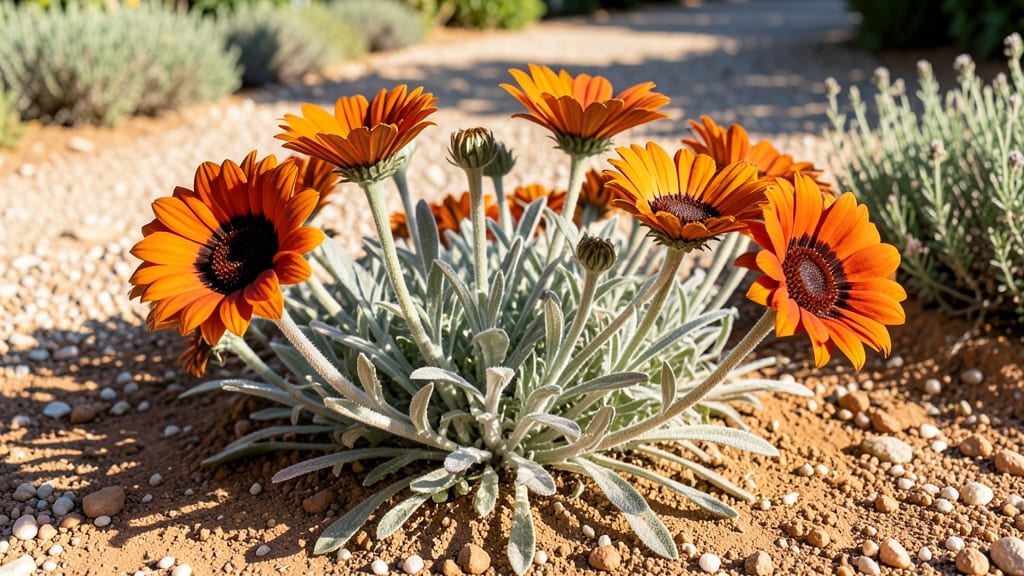
Gazania blooms when morning sun meets afternoon heat—typically from June through September—but the timing isn’t just about the calendar.
Ever notice how gazanias 🌼 snap open like clockwork at dawn and close by noon? That’s no coincidence—their bloom cycle is hardwired to respond to temperature shifts, not just daylight.
Too much shade or inconsistent heat? Your gazanias might skip their usual show entirely. Here’s how to decode their schedule and keep them flowering all season.
In Zone 6, where spring arrives in April and frost lingers until October, gazanias wait for soil to warm before they burst into color. But their peak—July and August—is when they really shine, provided you give them the right conditions.
We’ll break down the science behind their heat-triggered blooms and how to tweak your care for nonstop flowers.
From sunlight tricks to soil secrets, you’ll learn the exact factors that extend their bloom time—so you can enjoy their cheerful faces from early summer well into fall.
How heat and sunlight trigger gazania’s morning bloom cycle
Gazanias are famous for their morning-only blooms, but this isn’t just coincidence—it’s a heat-triggered survival strategy. These sun-loving perennials (or annuals in cooler zones) use temperature and light cues to time their flowering perfectly for pollinators like bees and butterflies.
The magic happens when soil and air temperatures align with their ideal 65–85°F range, kicking off a cascade of physiological responses.
At their core, gazanias are thermophilic plants, meaning they thrive in warmth and actively close blooms in cooler temps. Their petals track the sun (heliotropism), opening fully by mid-morning when temperatures rise, then closing by afternoon to conserve moisture.
This daily rhythm is hardwired into their DNA, but gardeners can influence it with smart care practices.
Soil warmth plays a critical role—gazanias grow best in well-draining, fast-warming soils. In desert climates, their roots hit ideal temps (70–80°F) by late morning, while coastal regions may need black mulch or heat-absorbing stones to accelerate warming. Even a 5°F difference can shift bloom timing by hours.
Here’s how gazanias detect and respond to their environment:
| Trigger Factor | Optimal Range | Bloom Impact | Regional Example |
|---|---|---|---|
| Air Temperature | 65–85°F | Triggers petal opening by 9 AM | Phoenix: Blooms by 8 AM (desert heat) |
| Soil Temperature | 70–80°F | Accelerates root activity, extends bloom duration | San Diego: Blooms until 2 PM (cooler coastal air) |
| Daylight Hours | 6–12 hours | Longer days = prolonged morning blooms | Atlanta: Peak blooms June–August |
| Humidity | Below 60% | Low humidity = less petal wilting | Las Vegas: Blooms all summer (arid climate) |
The photoperiod (day length) also matters—gazanias need at least 6 hours of direct sunlight to bloom at all. In short-day conditions (like winter), they may skip flowering entirely. But in long summer days, their blooms stay open longer, especially in dry, sunny climates.
For example, in USDA Zone 9, gazanias bloom from May through October, while in Zone 7, their season shrinks to June–September.
One often-overlooked factor is soil moisture. Gazanias close blooms faster in overly moist soil because their roots struggle to absorb oxygen. In well-draining soil, however, they’ll keep blooming until late afternoon in hot climates.
Try amending clay soil with perlite or sand to mimic their native sandy, fast-draining habitats.
To extend gazania bloom time, focus on microclimate control. In hotter regions, use 50% shade cloth to prevent afternoon wilting, while in cooler areas, group plants together to create a warm pocket of air.
Even a black plastic mulch can raise soil temps by 5–10°F, triggering earlier and longer blooms.
Fun fact: Gazanias close at night to protect their delicate petals from dew and cold. This nocturnal closure is a conservation tactic—their blooms reopen the next morning only if temperatures rise above 60°F.
If you notice blooms staying closed all day, check for root rot or insufficient sunlight.
For gardeners in cooler climates, treat gazanias as annuals and replant after the last frost when soil temps hit 60°F. In warmer zones, they’ll reward you with year-round color if you deadhead spent blooms and water deeply but infrequently.
The key is mimicking their natural heat-loving habits—and soon, your gazanias will be blooming like clockwork every morning.
5 Proven tips to extend gazania bloom time year-round
Gazanias thrive on heat and sunlight, but their blooms often fade with cooler temperatures or inconsistent care. The key to year-round color lies in understanding their heat triggers and adjusting your garden strategies.
With the right techniques, you can coax your gazanias to bloom well beyond their natural summer peak—even in milder winters or cooler climates. Let’s explore how to manipulate their environment for continuous flowering.
First, recognize that gazanias are heat-loving annuals that naturally slow down when temperatures drop below 60°F. However, with smart adjustments, you can extend their bloom season by creating ideal growing conditions.
The secret lies in balancing soil warmth, light exposure, and water management to keep them happy and blooming. Let’s dive into five actionable tips to achieve this.
Trim spent blooms and leggy stems to redirect energy to new flowers. Use clean, sharp pruning shears and cut just above a leaf node.
Add perlite or coarse sand to improve drainage. Gazanias hate soggy roots, so well-draining soil is critical for year-round blooms.
Water deeply in the morning only to prevent fungal issues. Reduce watering in cooler months to avoid stressing the plants.
Protect gazanias from extreme heat (above 90°F) with 30% shade cloth. This prevents wilting and extends bloom longevity.
Apply a balanced fertilizer (5-10-10) every 4-6 weeks during spring and summer. Reduce or skip fertilization in fall and winter.
For gardeners in cooler climates (Zones 5-7), focus on creating a microclimate to extend the bloom season. Use containers and move them closer to a south-facing wall or under a cold frame during cooler months.
This trapped heat can keep gazanias blooming well into fall or even early winter. In warmer climates (Zones 8-10), prioritize shade during peak afternoon heat to prevent stress and maintain vibrant blooms.
Another pro tip is to mulch around the base of your gazanias with straw or gravel. Mulching helps regulate soil temperature, keeping roots warm in cooler weather and cool in scorching heat.
This simple step can make a world of difference in prolonging your gazania’s bloom time. Consistency is key—stick to these strategies, and you’ll enjoy year-round color from these cheerful flowers.
Don’t forget that gazanias are heliotropic, meaning they follow the sun. If you notice blooms closing earlier than usual, it could signal stress from overwatering or poor drainage. Adjust your care routine accordingly, and your gazanias will reward you with longer-lasting blooms all season long.
With these tips, you’re well on your way to a gazania garden that stays vibrant from spring to frost! 🌼