
Blooming
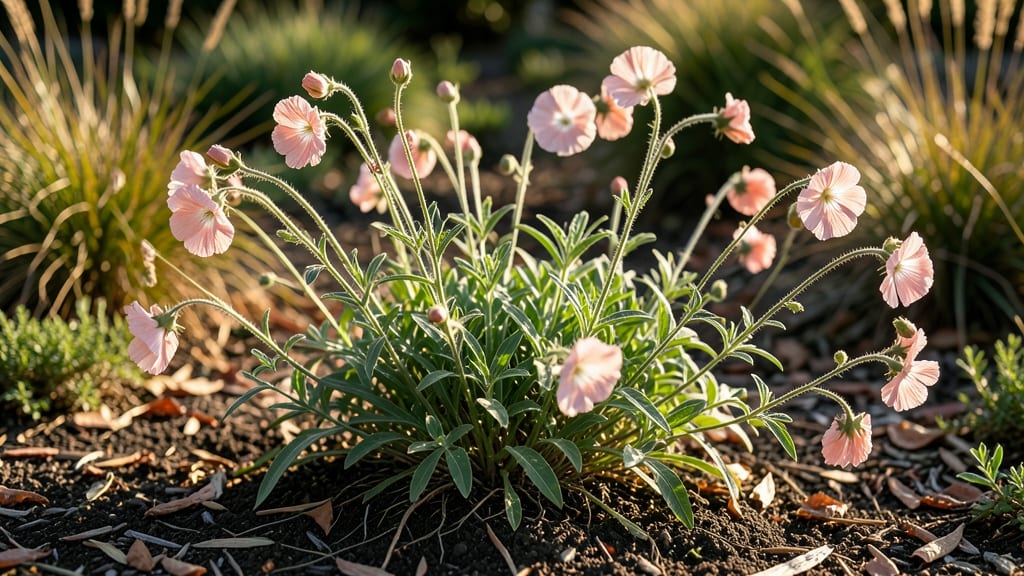
Gaura blooms thrive from early summer through fall 🌸, turning your garden into a fluttering cloud of delicate petals—but timing can shift dramatically depending on your zone and care habits.
If you’ve ever wondered why your gaura plants seem to bloom sporadically—or when to expect those delicate, lace-like flowers—timing is everything. Gaura bloom times vary wildly by variety and climate zone, making it tricky for gardeners to plan their seasonal displays.
In USDA Zone 6a (like much of the Midwest), most gaura varieties kick off their show in June, with some late bloomers stretching into October.
But in warmer zones, like 7-10, you might see flowers as early as May, while cooler zones could delay blooms until July.
Below, I’ll break down exactly when to expect flowers by variety, how sunlight and soil play a role, and 5 pro tips to extend that bloom time—so you can enjoy gaura’s airy charm for months, not weeks.
Gaura bloom time by variety: when to expect flowers in popular cultivars
If you’ve ever planted gaura lindheimeri hoping for a summer-long floral show, you’ve likely noticed how bloom times vary dramatically between varieties. Some burst into color in early June, while others linger well into fall—it all depends on the cultivar and growing conditions.
Understanding these patterns helps you plan your garden for continuous season-long blooms, from the first blush of summer to frost.
The key to predicting gaura bloom time lies in recognizing each variety’s unique traits. Early bloomers like ‘Whirling Butterflies’ often start flowering in late spring, while late-season performers such as ‘Crimson Butterflies’ may not peak until August.
Even within the same variety, climate zone and sunlight exposure can shift bloom windows by weeks. Let’s break down what to expect from your favorite gaura cultivars.
🌸 Comparison Table: Gaura Bloom Times by Variety
| Variety | Bloom Start | Peak Bloom | Bloom Duration | Color | Height |
|---|---|---|---|---|---|
| ‘Siskiyou Pink’ | Late May | June–July | 8–10 weeks | Soft pink | 2–3 ft |
| ‘Whirling Butterflies’ | Early June | July–August | 10–12 weeks | White | 2–3 ft |
| ‘Crimson Butterflies’ | Mid-June | August–September | 10–12 weeks | Deep pink | 2–3 ft |
| ‘Passionate Purity’ | Late June | August–October | 12–14 weeks | White | 1.5–2 ft |
| ‘Cherry Brandy’ | Early July | August–September | 9–10 weeks | Deep red | 2–3 ft |
‘Siskiyou Pink’ is one of the earliest bloomers, often kicking off the gaura season in late May with soft pink flowers that dance in the breeze. This variety thrives in full sun and well-draining soil, making it ideal for gardeners in USDA Zones 5–9.
Its 8–10 week bloom duration ensures a steady display through July, but it may fade faster in humid climates.
For a mid-season spectacle, ‘Whirling Butterflies’ delivers pure white blooms starting in early June, peaking in July and August. This variety is prized for its continuous blooming habit, often producing flowers sporadically even after the main season.
Its 10–12 week window makes it a reliable choice for cut flowers and pollinators like bees and butterflies.
If you’re aiming for a late-season extension, ‘Crimson Butterflies’ is a standout with its deep pink flowers that burst into color in mid-June and linger until September. This variety is particularly drought-tolerant, making it perfect for xeric gardens or regions with hot, dry summers. Its 10–
How climate Zones affect gaura bloom time: USDA Zones 5-10 guide
Understanding your USDA hardiness zone is key to predicting when your gaura plants will burst into bloom. These delicate perennials respond dramatically to temperature shifts, with earlier blooms in warmer zones and delayed starts in cooler climates.
Let’s break down what to expect across Zones 5 through 10 and how to adjust your care for optimal results.
In Zones 7-10, gaura typically begins flowering as early as late spring, with continuous blooms through fall frost. Meanwhile, gardeners in Zones 5-6 often see their gaura wait until early summer before producing those signature lace-like flowers.
The difference comes down to soil warmth and daylength triggers—both heavily influenced by your local climate.
In Zones 5-6, gaura’s delayed bloom often stems from slow soil warming in spring. To encourage earlier blooms, plant in south-facing beds where soil warms faster. Adding a thick layer of mulch (3-4 inches) in fall helps insulate roots, giving your gaura a head start in spring.
Gardeners in Zones 7-10 enjoy the longest bloom seasons, but heatwaves can stress gaura plants. Provide afternoon shade during peak summer months to prevent flower drop. In Zone 10, where gaura blooms nearly year-round, focus on regular deadheading to maintain continuous flowering and prevent legginess.
For marginal climates (like Zone 6b), extend the bloom season by planting gaura near heat-reflective surfaces (like gravel or light-colored walls) to moderate soil temperatures. In cooler microclimates, choose compact varieties like ‘Siskiyou Pink’—they bloom earlier and handle cooler soils better than taller types.
Remember, daylength also plays a role: gaura in northern zones (5-6) may need a few weeks of longer daylight hours before blooming, while southern varieties (7-10) respond to earlier spring warmth. Adjust your expectations and care routine based on your local last frost date and summer heat patterns.